Oklahoma will enter a contentious election season as all recognized political parties in the state have decided to exclude independent voters from their partisan primaries for the first time in a decade. This decision could lead to significant consequences for the political landscape as independents, a growing group of approximately 500,000 voters, may feel disenfranchised during critical electoral contests.
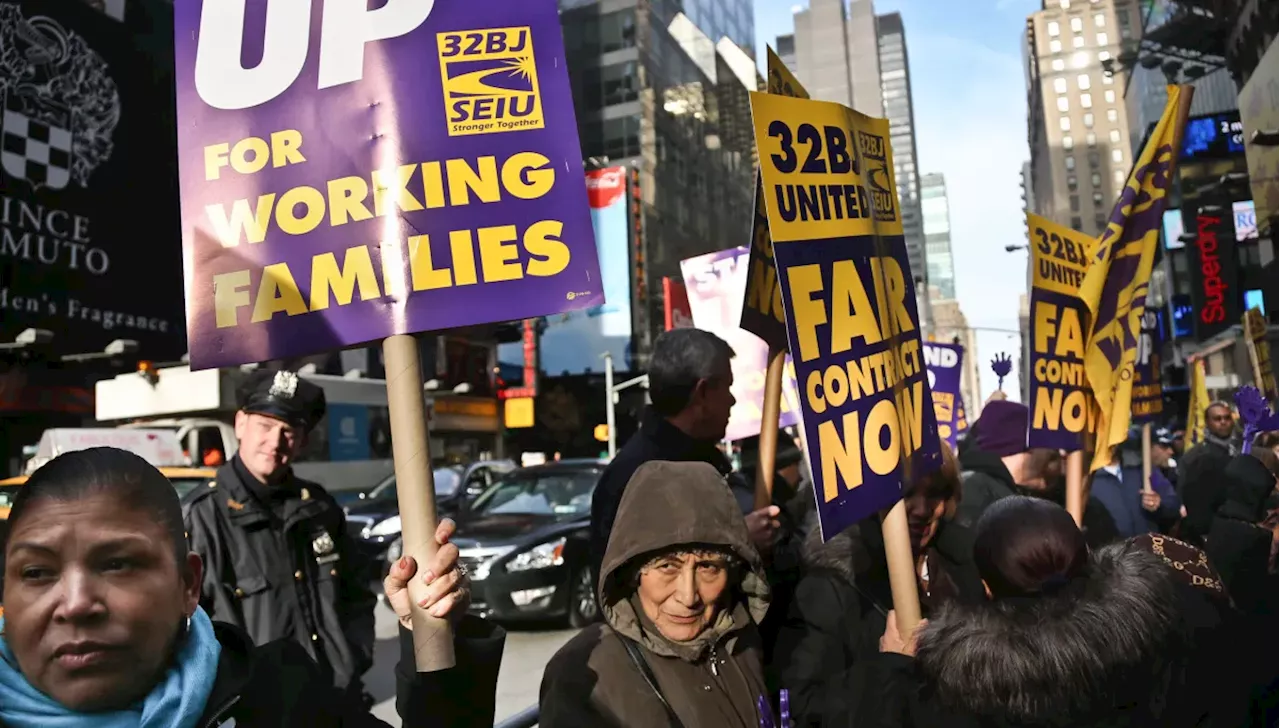
The Oklahoma Republican Party has long barred independents from participating in its primaries. However, the recent announcement marks a shift, as independent voters are now also excluded from Democratic primaries. This development is expected to complicate the upcoming elections, particularly as voters anticipate a key state question regarding the minimum wage.
June 16, 2024 will see the primary elections, where voters will decide on a proposal to gradually raise the minimum wage to $15 an hour by 2029. Both supporters and opponents of this initiative likely counted on independent voters to help sway the outcome. Without their participation, the overall voter engagement may diminish, further exacerbating Oklahoma’s already low turnout rates.
According to the Oklahoma Election Board, no political party submitted a notification by the designated deadline to open their primaries to independents. In a recent statement, Paul Ziriax, Oklahoma Election Board secretary, emphasized that state law is “very clear” regarding the notification process, underscoring that Democrats had only communicated a desire to change their party symbol, not to allow independents to vote.
The Democratic Party has claimed their exclusion from the primaries was the result of a “miscommunication.” As they explore legal options, their predicament coincides with a citizen-led effort to collect signatures for a constitutional amendment aimed at reforming the state’s primary system. This initiative requires 172,993 signatures by January 26, 2024, and seeks to allow all voters to participate, advancing the top two candidates to the general election regardless of party affiliation.
Republican leaders oppose this proposal, arguing it would “water down” elections. They contend that if the reform was necessary, it should have been enacted during the period when Democrats held control over the state government. Currently, Republicans dominate all Congressional seats, statewide offices, and maintain significant majorities in the Legislature.
The ongoing exclusion of independent voters could dampen their turnout during the primaries, which may have implications for the nonpartisan state question on the minimum wage. While all registered voters can participate in state questions, the hesitance of independents to engage in an election focused on a single issue could lead to lower overall participation.
As the political landscape evolves, navigating voter engagement will be critical for both proponents and opponents of the wage increase. The absence of independents at the polls could shift the dynamics, potentially altering the results of the minimum wage question.
As Janelle Stecklein, editor of Oklahoma Voice, observes, the decision to restrict independent voters could be a substantial error for party leaders, risking further alienation of a significant voting bloc. The unfolding political drama in Oklahoma is poised to capture attention in the months leading up to the elections, with implications that could alter the state’s electoral future significantly.
As political figures and parties strategize in response to this development, the landscape promises to be unpredictable. The upcoming months will reveal how these decisions impact voter turnout and the overall political climate in Oklahoma.