Every day, countless children around the world face the pervasive threat of bullying. According to recent studies, more than 19% of children aged 12 to 18 report being bullied by their peers, with a significant number of these incidents occurring online. The consequences of bullying can be severe, impacting not only those targeted but also the aggressors themselves, leading to a range of long-term emotional and psychological issues.
Bullying manifests in various forms: physical, verbal, social, and increasingly, online. Physical bullying includes acts such as hitting or damaging another child’s belongings. Verbal bullying encompasses name-calling, taunts, and threats, often targeting personal characteristics like race, gender, or appearance. Social bullying, on the other hand, involves groups attempting to isolate or shame a child, often spreading rumors to undermine their social standing. Online bullying can be particularly insidious, as it may occur in digital spaces where adults may not easily observe the interactions.
Understanding the motivations behind bullying is crucial. Many young people engage in bullying behavior to exert power or control, often reflecting inadequacies they feel in their own lives. Children who are larger or smaller than their peers, those from different ethnic or social backgrounds, and individuals with disabilities are frequently targeted. In the United States, female children experience bullying at a higher rate than males, often facing body shaming and sexualized jokes. Furthermore, children who identify as LGBTQ are at an even greater risk, facing unique challenges tied to their identity.
Parents play a pivotal role in addressing and preventing bullying. It’s vital to recognize the signs that a child may be experiencing bullying. Symptoms can include physical complaints like headaches or stomachaches, changes in behavior, such as increased anxiety or avoidance of school, and a sudden withdrawal from social interactions. More alarming indicators include unexplained injuries, self-harm, or discussions about suicide.
If a child confides in a parent about bullying, the first step is to listen without judgment. Parents should ask open-ended questions to understand the situation fully and reassure their child that they are there to help. It is important to create a safe space for children to express their feelings, as they may be reluctant to share due to embarrassment or shame.
While the instinct may be to confront the bully or their parents, it is often more beneficial to empower the child. Encouraging children to maintain eye contact, stand tall, and walk away from bullies can help them regain a sense of control. Practicing responses such as, “Why would you say that?” or “I’ll talk to you, but I’m not going to fight,” can diminish the aggressor’s power.
Supporting children in building healthy friendships is also essential. Those with strong social connections are generally less vulnerable to bullying. Parents should encourage their children to participate in extracurricular activities, including sports and clubs, to foster these relationships.
Equally important is addressing any potential bullying behavior exhibited by the child. Parents should teach children the value of respect and empathy, even towards those they may not like. Implementing non-physical disciplinary measures that promote understanding can guide children towards more appropriate behaviors. If the child is bullying others, exploring the underlying reasons—such as trauma—may lead to necessary interventions, which could include consulting a mental health provider.
Encouraging children to stand up for their peers is also vital. Teaching them to intervene in a safe and constructive manner, such as saying “Stop!” or helping the bullied child find a trusted adult, reinforces the message that bullying is unacceptable.
The issue of bullying is not merely a rite of passage for children; it is a pressing public health concern that requires collective action from parents, educators, and communities. By working together, we can create a culture where all children feel safe and supported in their environments.
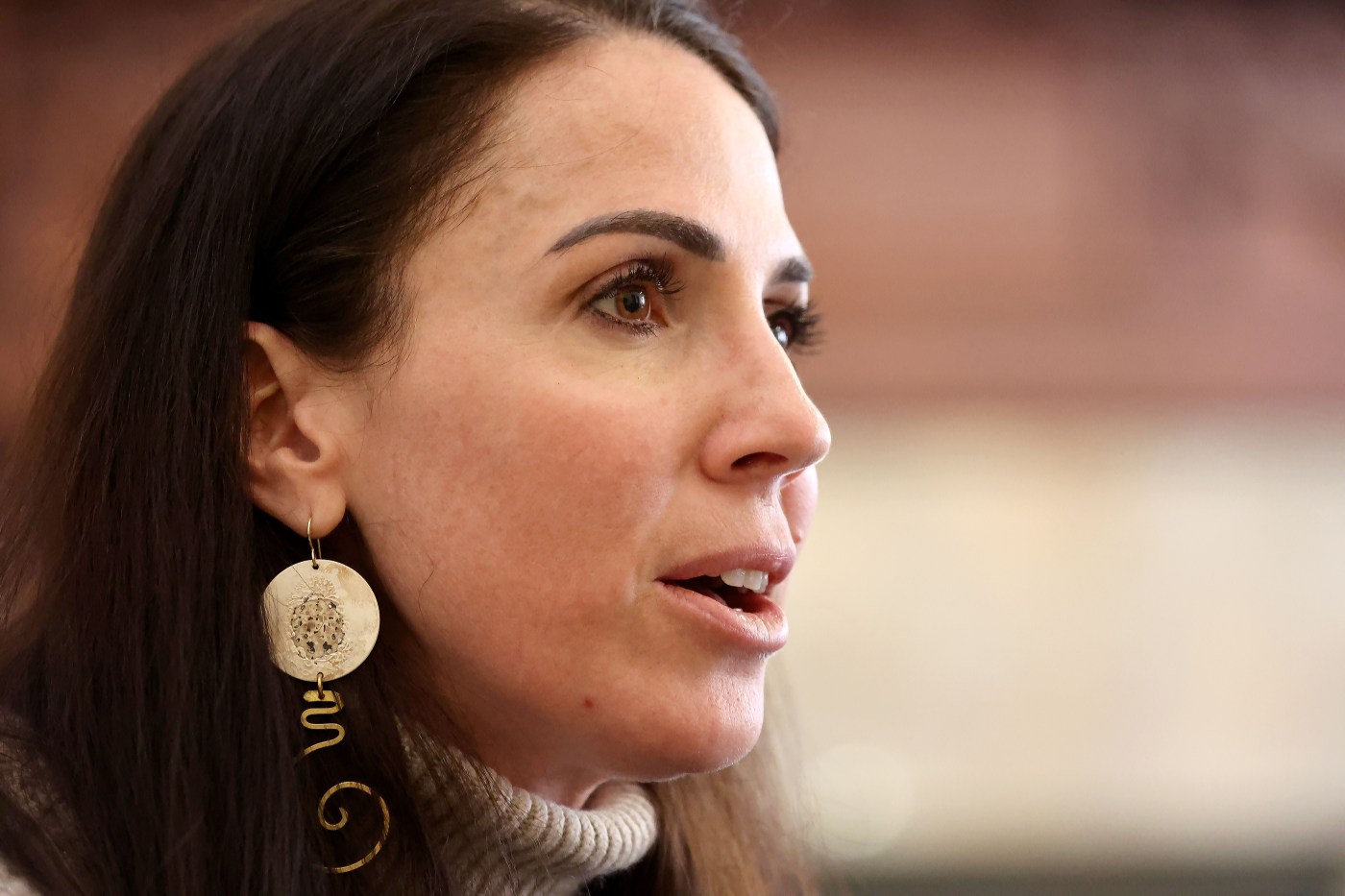
Mahvash Madni, MD, FAAP, a pediatrician and host of the podcast “Down the Yellow Brick Road…A Journey with your Pediatrician,” emphasizes the importance of addressing bullying with urgency. A united community approach is key in ensuring that children can thrive without fear of harassment or isolation.