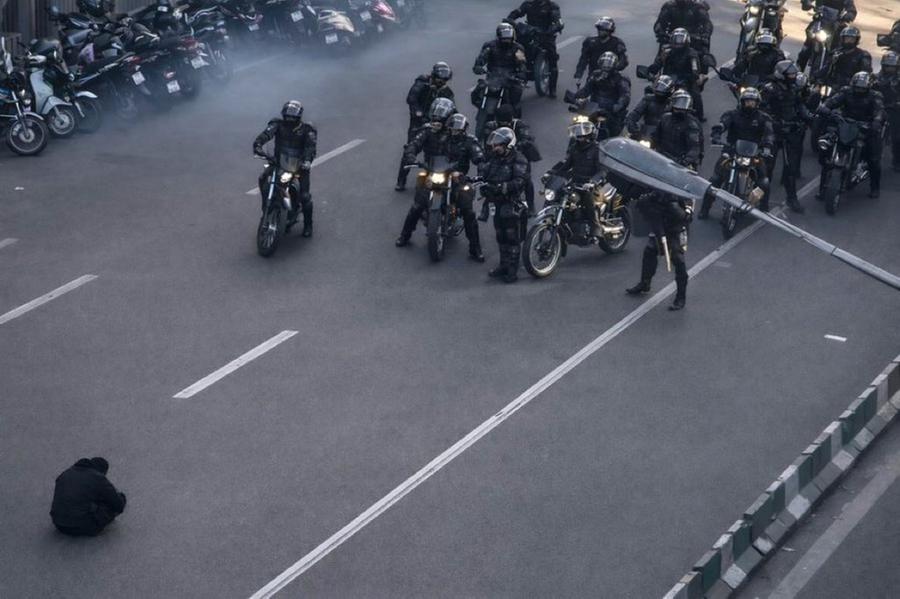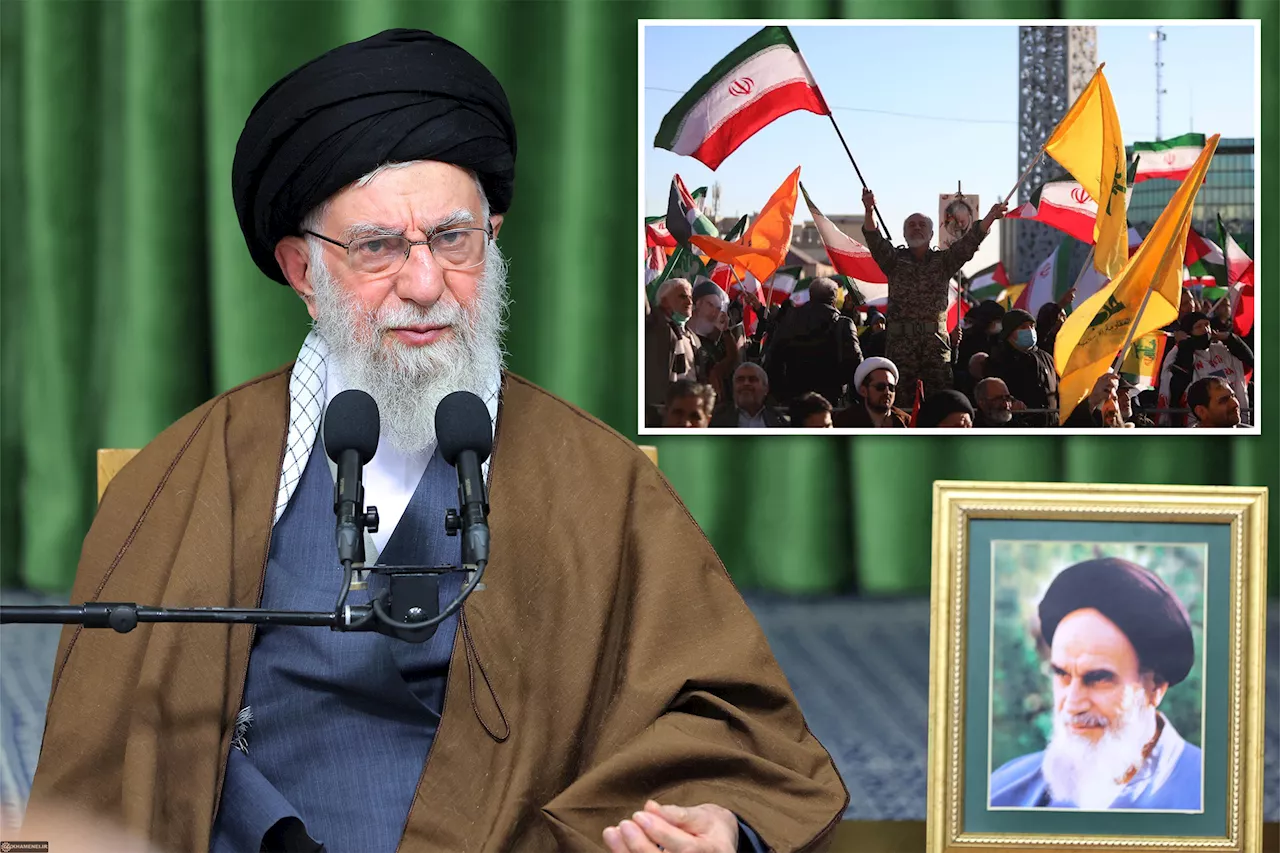
Protests have erupted across Iran, prompting a government-ordered shutdown affecting 21 of the country’s 31 provinces, including Tehran. Demonstrators have taken to the streets to express their anger over escalating political and economic crises, chanting slogans such as “Death to Khamenei!” and “Death to the dictator.” These protests reflect widespread dissatisfaction driven by inflation, currency instability, and declining living standards.
On Wednesday, businesses, universities, and government offices closed as crowds gathered in cities including Shiraz, Isfahan, Kermanshah, and Tehran. Video footage shared by the People’s Mojahedin Organization of Iran captures intense confrontations between protesters and security forces, with scenes of chaos, gunfire, and demonstrators throwing objects. In particular, the bazaar-led protests in Tehran have garnered significant attention, as merchants confront security forces while chanting, “Dishonorable, dishonorable.”
Government Response and Leadership Changes
In an attempt to quell the unrest, President Masoud Pezeshkian appointed Abdolnaser Hemmati, a former economy minister, as the new head of Iran’s central bank following the resignation of Mohammad Reza Farzin. Pezeshkian acknowledged the challenges ahead, stating that the new central bank chief would face intense pressure amid ongoing economic turmoil. This leadership shift comes as public anger continues to mount over financial instability.
Meanwhile, Supreme Leader Ayatollah Ali Khamenei announced the appointment of IRGC Brigadier General Ahmad Vahidi as deputy commander in chief of the Revolutionary Guards. This move signals the government’s intention to reinforce its control as protests persist.
Dramatic scenes were reported in the city of Fasa, where demonstrators were seen shaking the gates of a government complex in an effort to gain access. Military helicopters flew over the city, seemingly to intimidate residents and prevent the unrest from spreading further. As protests continued for a fourth consecutive day, both security forces and demonstrators faced escalating tensions in various locations.
Ongoing Unrest and the Public Reaction
The protests have drawn attention not only for their scale but also for the specific grievances voiced by the crowds. Footage shared by the People’s Mojahedin Organization of Iran shows demonstrators shouting “Shame on you, shame on you!” at government officials. The unrest is a clear indication of the growing dissatisfaction among citizens, particularly as they confront rising costs and diminishing quality of life.
As the situation unfolds, the Iranian government faces a delicate balancing act. It must address the economic issues prompting the protests while also managing the public’s anger. Observers are closely monitoring how the new appointments and any potential policy changes will impact the ongoing unrest.
This wave of protests underscores a critical moment in Iran’s political landscape as citizens demand accountability and change from their leaders. The events of this week have the potential to reshape the dialogue around governance and civil rights in the country, making it imperative for the government to respond effectively to the voices of its people.