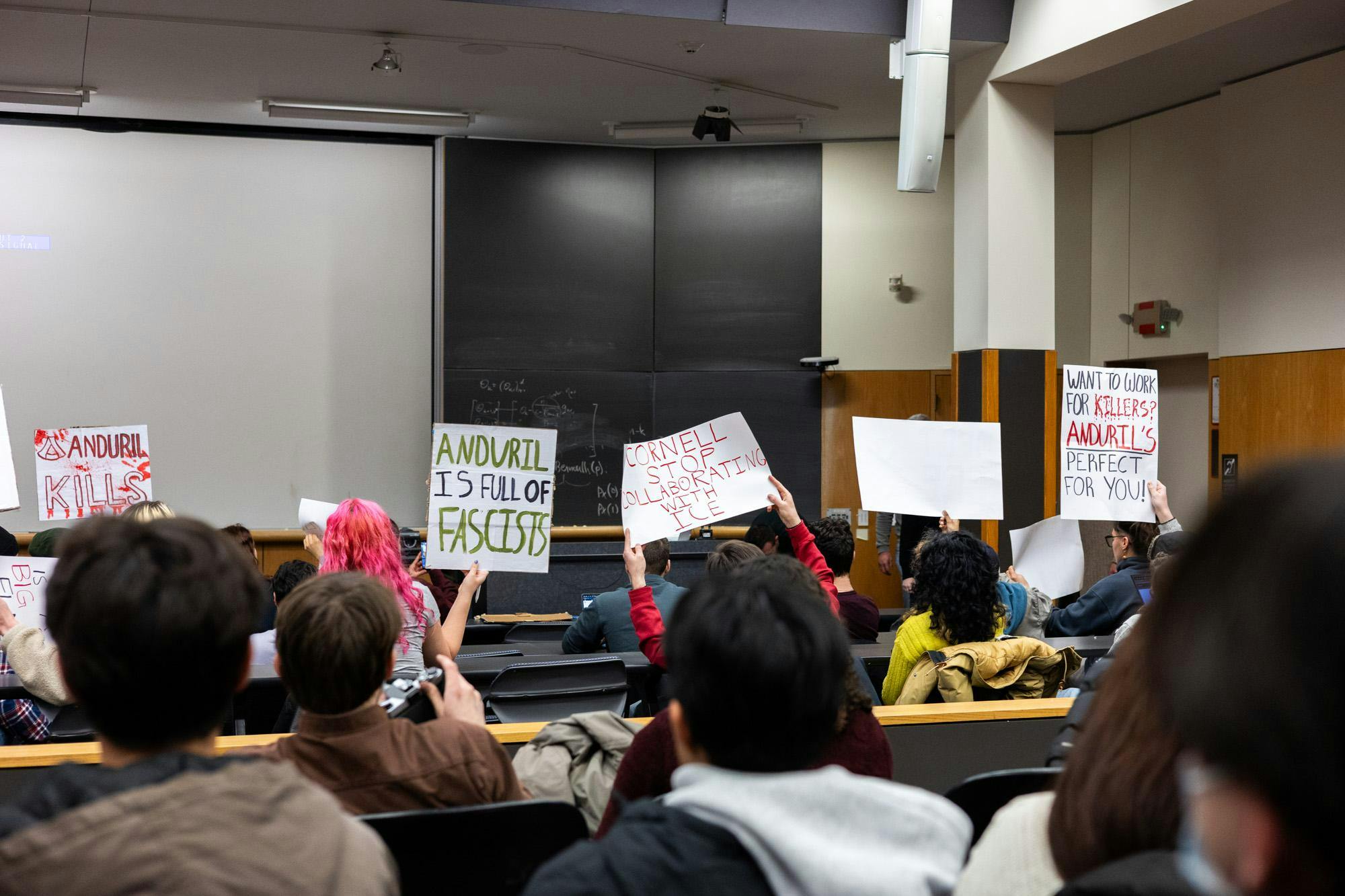
Protests erupted at Cornell University on March 7, 2024, as students disrupted a planned two-hour “Tech Talk” hosted by the defense technology firm Anduril. The event, intended to connect with engineering students and discuss job opportunities, was cut short after just seven and a half minutes due to vocal opposition from demonstrators.
The protest took place in Phillips Hall, where attendees voiced their concerns about Anduril’s involvement in defense technologies. As students entered the lecture hall, protesters distributed leaflets highlighting one of Anduril’s latest innovations, the “Fury,” an AI-powered unmanned combat aerial vehicle. The pamphlets contained provocative statements, including, “Does this look sleek? Soon, it’ll slaughter a family.” The leaflets criticized Anduril’s production of drones and surveillance technology, claiming that these systems endanger migrants and involve the company in conflicts with nations described as “genocidal.”
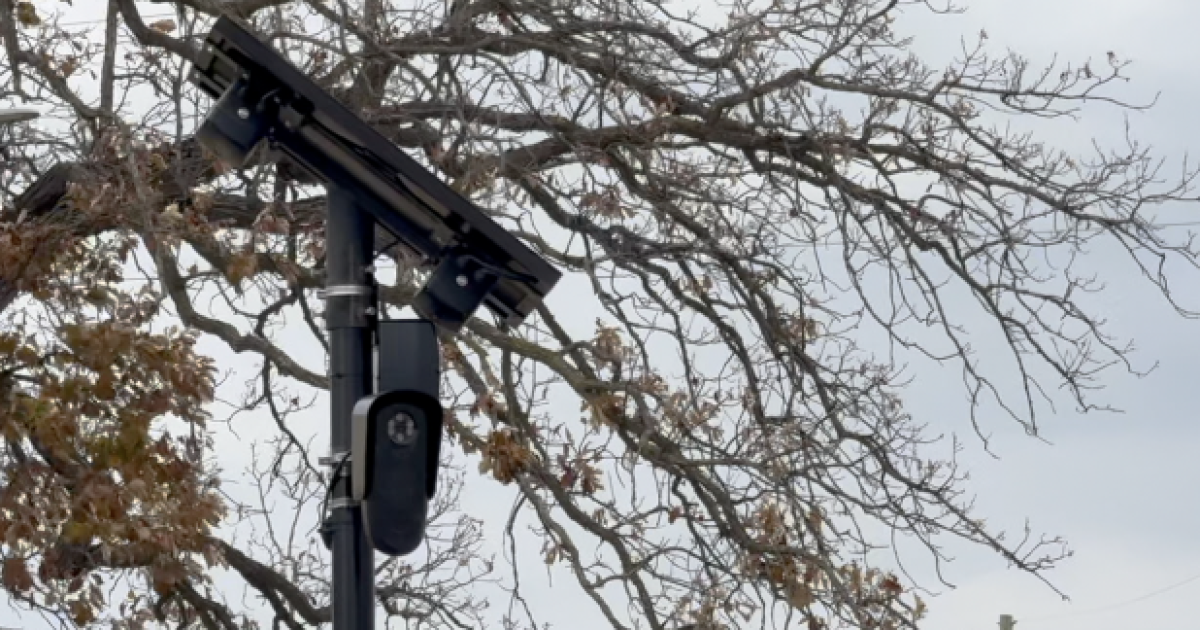
According to the company’s website, Anduril’s AI-based surveillance towers currently monitor approximately 30% of the U.S. southern border for U.S. Customs and Border Protection. The company claims these systems have been instrumental in saving lives and preventing illegal drug trafficking while facilitating the identification of unauthorized border crossings.
The talk began with Christine Nye, the Associate Dean of Students for Student Support and Advocacy Services, reiterating Cornell’s policies on free speech and expressive activity. She emphasized that invited speakers have the right to present their views without intimidation from the audience. Despite this, as the presentation concluded, protesters raised anti-Immigration and Customs Enforcement (ICE) signs and shouted criticisms at the presenters. Many students expressed frustration at not being allowed to ask pre-prepared questions.
Organizers from groups such as Students for Justice in Palestine, Cornell Progressives, and the Mexican Students Association had been urging Cornell Career Services to cancel the event for over a week. Adrianna Vink, president of Cornell Progressives, described the protesting students as concerned individuals committed to addressing what they see as the university’s complicity in human rights violations. “We believe Cornell should not host weapons manufacturers that contribute to genocide and human rights abuses,” she stated.
Fellow protester Francis Burns emphasized the importance of raising awareness among engineering students regarding their potential career choices. “We’re trying to show engineers that these are unacceptable career paths and let people know that it is socially unacceptable to work for these companies,” he said.
A police presence was noted at the event, with officers positioned both inside and outside Phillips Hall to maintain order during the protest. This incident follows previous controversies around the university’s promotion of job opportunities with U.S. Customs and Border Protection through Career Services events and the platform Handshake.
In response to the disruption, Shannon Prior, head of communications at Anduril, asserted that the company viewed the event as a success, claiming several applications were submitted shortly after the talk. “We even had students emailing our recruiters apologizing for the disturbance,” she noted.
When asked about the decision to proceed with the session despite student opposition, Prior remarked that Anduril respects the right to free speech. She described the protests as “perplexing,” questioning why students would oppose a firm that supports the U.S. military, which she argued safeguards freedoms. “Anduril remains proud of its work assisting service members and will continue supporting them even when others stand in opposition,” she stated.
Vink countered Prior’s remarks by stressing the significant role of student labor in the defense industry. “Your labor is critical to these systems of violence and oppression, and that is the reason why these recruiters are coming here,” she asserted. “If you withhold your labor, we can make the world a much safer and more just place.”
The situation at Cornell University highlights the ongoing tensions between student activism and corporate presence in academic settings, particularly regarding ethical implications associated with defense technologies and human rights.