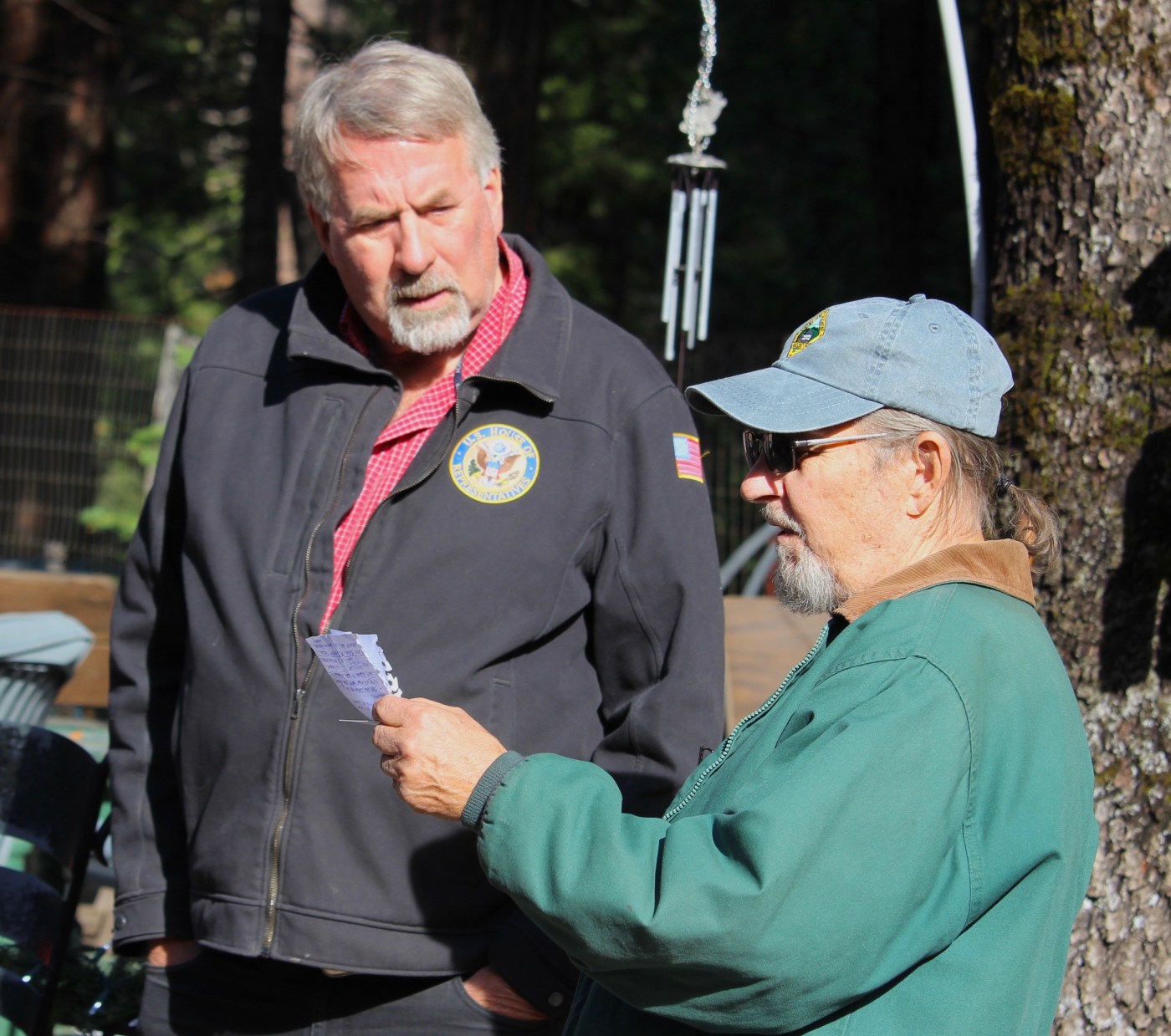
The recent passing of Doug LaMalfa has left a notable void in California’s political landscape. LaMalfa, who served as a congressman for over a decade, was remembered not only for his political stances but for his consistent presence in the community. His approach to representation, characterized by a willingness to engage with constituents, set him apart in an era where such accessibility is increasingly rare.
LaMalfa’s commitment to his constituents was evident throughout his career. He often attended local events, from town gatherings to sporting occasions. His participation was not merely a formality; he genuinely aimed to connect with the people he represented. “I was just in town. Wanted to say hello,” he would often say during unannounced visits to local offices, reflecting a personal touch that resonated with many constituents.
Remembered for an incident that highlighted both his humility and approachability, LaMalfa once brushed off a mistaken introduction when he was incorrectly called “Steve” by a local editor. His reaction—a friendly smile and the simple request to call him Doug—exemplified his character. Such moments contributed to his reputation as a congressman who genuinely listened and engaged with his community.
Despite being a prominent figure in the House of Representatives and addressing Congress over 80 times in one year alone, LaMalfa was not without his challenges. His decision to vote against certifying the 2020 election results led to criticism, including calls for his resignation from various quarters. Yet, he remained open to dialogue, continuing to engage with local media and constituents even after contentious moments. This approach fostered a sense of connection that many appreciated, especially in a district where political divisions often run deep.
LaMalfa’s electoral success further underscores his deep-rooted support in the region. He maintained an undefeated record, winning every primary and general election he contested. His slogan, “he’s one of us,” resonated particularly in rural communities, establishing a bond that transcended party lines. His presence at local events, from car shows to barbecues, reinforced this connection.
In contrast, the current political climate reveals a shift. As LaMalfa’s district undergoes redistricting, questions arise about whether future representatives will uphold the same level of accessibility and engagement. The long distances between communities, such as from Santa Rosa to Chico, may hinder similar connections moving forward.
Reflecting on LaMalfa’s legacy prompts a broader discussion about the nature of political representation. In an age where many leaders remain distant, Doug LaMalfa’s willingness to show up and engage made a significant impact on his constituents. His dedication to being present at community events, even amidst challenges, will be remembered as a hallmark of his service.
As the community mourns his passing, the hope remains that future representatives will take a page from LaMalfa’s approach: showing up, listening, and being present for the people they serve. The expectation is that such engagement fosters trust and strengthens the relationship between elected officials and constituents, a sentiment that LaMalfa embodied throughout his career.