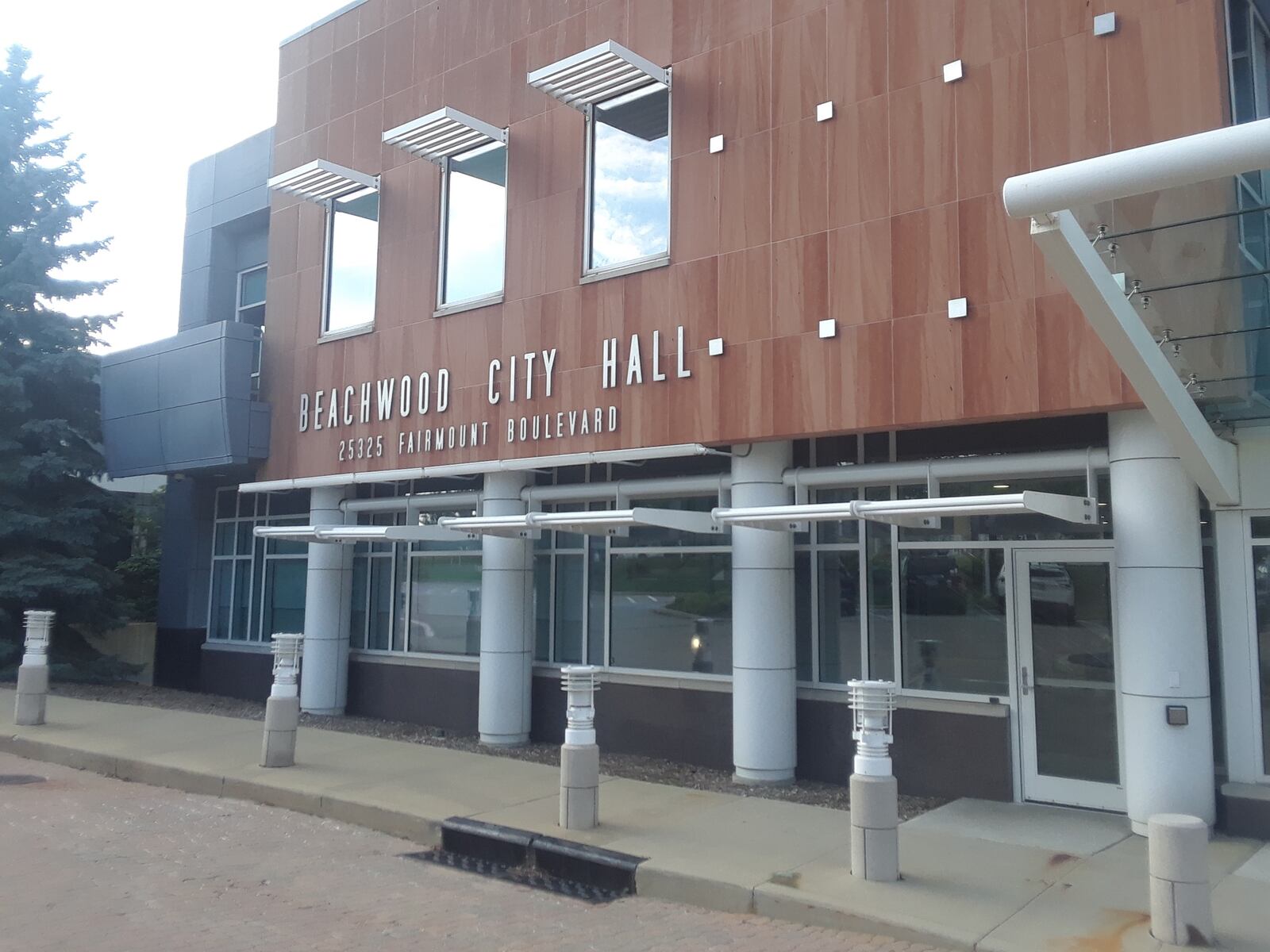
Residents have expressed their concerns regarding the current public comment procedures at Board meetings. A recent discussion highlighted how, while Rule 3 permits residents to address the Board, there is often a lack of structured responses from officials, such as the Mayor and Aldermen, following these comments. This gap in communication can leave citizens feeling unheard and frustrated.
Structure of Public Comment
Under the existing framework, public comments are typically collected at the beginning of the meeting. Once these comments conclude, the officials do not directly engage with the speakers until much later, often during a segment labeled as New Business. This delay can lead to a disconnection between the community’s concerns and the official responses, which may or may not occur at all.
Many residents have called for a more immediate response mechanism. They believe that addressing concerns directly after public comments would enhance the transparency and accountability of elected officials. This change could foster a more collaborative environment where community members feel their voices are valued.
The lack of engagement during meetings raises questions about the effectiveness of public comment policies. Several residents noted that by the time officials respond, the context of the comments may have faded, diminishing the impact of any feedback provided.
Potential Solutions for Enhanced Communication
To improve this situation, some community members have proposed that the Board implement a more structured dialogue process. Suggestions include dedicating specific time slots for responses from the Mayor and Aldermen immediately following public comments. This would allow for dynamic discussions that could lead to actionable outcomes based on resident input.
Additionally, establishing guidelines that mandate responses from officials could contribute to a more engaged citizenry. Clear communication channels are essential for ensuring that residents feel they have a stake in local governance. By actively addressing concerns, officials can foster trust and strengthen community relationships.
The conversation around improving public comment procedures is ongoing. Residents are encouraged to participate in future meetings to voice their opinions and advocate for changes that could lead to a more responsive local government.