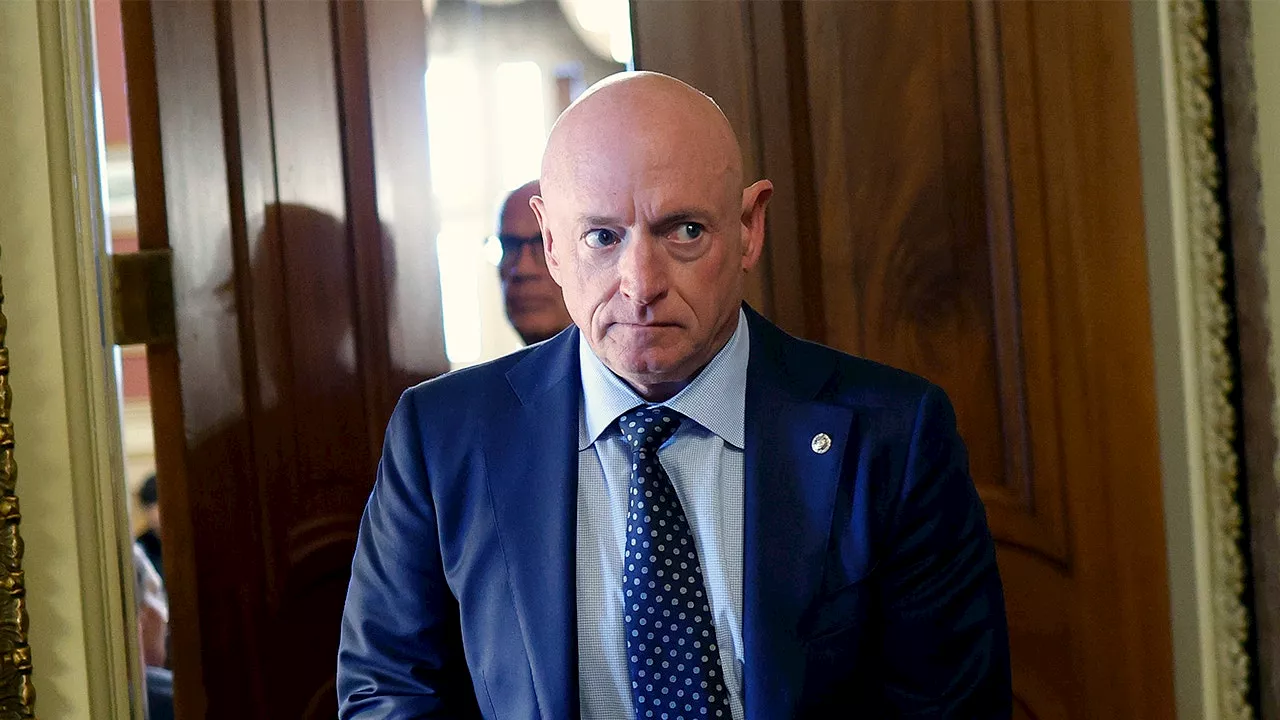
Senator Mark Kelly, a Democrat from Arizona, recently faced intense questioning during an appearance on NBC’s Meet the Press regarding his call for military personnel to refuse illegal orders. The discussion highlighted the complexities surrounding military orders and the responsibility of service members to assess their legality.
During the interview on October 15, 2023, Kelly was pressed by host Kristen Welker about whether he would refuse an order if he were still in uniform. This query came in the wake of a video released earlier this month, in which Kelly, alongside five other Democratic lawmakers, encouraged military personnel to reject unlawful directives from the administration of former President Donald Trump.
Kelly’s military background as a former combat pilot, who flew 39 missions in Iraq and Kuwait, was central to the questioning. Welker posed a hypothetical scenario in which Kelly was ordered to strike suspected drug boats and kill everyone on board. She asked if he would refuse such an order. Kelly responded by stating that he never questioned the legality of his own orders during his service, emphasizing the need for clear distinctions between lawful and unlawful commands.
In his remarks, Kelly expressed concern for service members who might find themselves in morally challenging situations. He stated, “People can tell the difference… if I was ever given an unlawful order, I would refuse.” He further explained that if time allowed, military personnel could consult legal advisers before making a decision. If urgency prevailed, he insisted that service members have the right to refuse orders that violate the law.
The discussion also touched upon the burden placed on military officers when faced with the need to assess the legality of their orders in real time. Kelly affirmed that this responsibility is inherent in military service but acknowledged the immense pressure it creates. He stated, “A reasonable person can tell something that is legal and something that is illegal.”
The controversy surrounding Kelly’s comments escalated when President Trump accused him and his colleagues of exhibiting seditious behavior. Kelly defended his stance during a later appearance on a late-night show, reiterating his commitment to the principle that military members must follow the law. He criticized Trump’s response, suggesting it undermines the integrity of military service.
As the Pentagon investigates the implications of Kelly’s video urging military personnel to defy “illegal orders,” legal experts have expressed skepticism about potential repercussions. The investigation, initiated after Trump’s allegations, has sparked debates regarding freedom of speech and the responsibilities of elected officials.
Kelly has remained firm in his position, advocating for a leadership that understands the Constitution and respects the rule of law. He stated, “It is not fair to [service members]… we need a president and secretary of defense who understand the Constitution.”
As the conversation continues to unfold, the implications of Kelly’s remarks on military conduct and legality are likely to resonate within both political and military circles. The ongoing discourse reflects a broader examination of ethical responsibilities in the armed forces and the role of lawmakers in guiding military personnel.