Pennsylvania Governor Josh Shapiro has taken a firm stance against the Trump Administration’s recent policy changes by joining a multi-state lawsuit. The legal action challenges the Executive Branch’s decision to withhold over $2 billion in funding that Congress had approved for electric vehicle (EV) initiatives. This funding is critical for advancing clean energy efforts and supporting the transition to more sustainable transportation options.
The lawsuit, filed this week, signifies a growing coalition of states pushing back against what they deem illegal actions by the Trump Administration. The withheld funds were allocated to programs designed to promote the adoption of electric vehicles and to improve infrastructure related to EVs. Advocates argue that these initiatives align with both environmental objectives and economic growth.
Shapiro’s involvement reflects a larger trend among state leaders who are increasingly concerned about federal policies that contradict established laws. The lawsuit underscores the tension between state and federal governments, particularly in the context of environmental regulations and energy policy.
Funding Crisis for Electric Vehicle Programs
The $2 billion in question is part of a broader federal initiative aimed at accelerating the transition to electric vehicles across the United States. The funding was approved by Congress as part of comprehensive legislation focusing on renewable energy and climate change mitigation. By withholding these funds, the Trump Administration is accused of undermining legislative intent and jeopardizing state-level efforts to combat climate change.
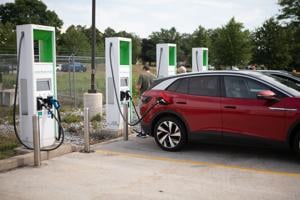
Various state officials have expressed their concerns regarding the impact of the funding freeze. They argue that the delay in funding could stall important projects that aim to enhance EV infrastructure, such as charging stations and research facilities. These projects are essential for making electric vehicles more accessible and encouraging their adoption among consumers.
Governor Shapiro, along with other state leaders, emphasizes the economic benefits associated with a thriving electric vehicle market. By investing in EV infrastructure, states aim to create jobs, drive innovation, and reduce greenhouse gas emissions. The lawsuit represents a commitment to uphold these goals despite federal opposition.
Legal Implications and Future Actions
The multi-state lawsuit not only challenges the funding freeze but also seeks to clarify the legal authority of the federal government regarding state initiatives. Legal experts suggest that the outcome of this case could have significant implications for the relationship between state and federal governance, particularly in the realm of environmental policy.
As the legal proceedings unfold, state leaders are actively monitoring the situation, hoping for a favorable resolution that will restore the vital funding for electric vehicle programs. They remain committed to ensuring that the U.S. remains at the forefront of the transition to clean energy.
In conclusion, Governor Josh Shapiro and his counterparts are determined to contest what they view as an unjust and harmful freeze on EV funding. The outcome of this lawsuit may not only affect Pennsylvania but could set a precedent for how federal funding is administered in relation to state environmental initiatives.