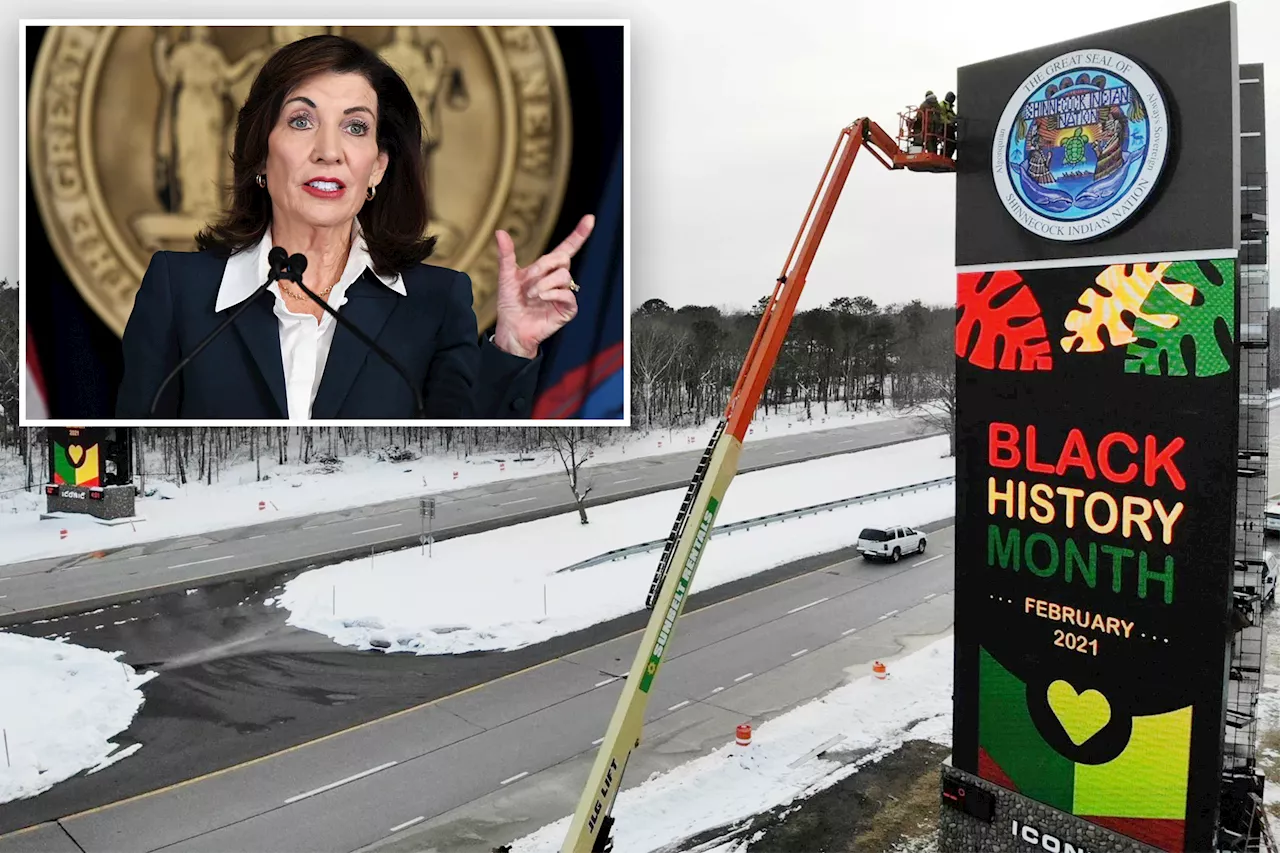
The Shinnecock Indian Nation has initiated legal action against New York State, alleging that a section of Sunrise Highway, also known as Route 27, was constructed unlawfully on their sovereign land in Hampton Bays. The tribe contends that the state proceeded without the necessary federal approval for both the construction and operation of the highway, which traverses their designated Westwoods land.
This lawsuit underscores ongoing tensions regarding land rights and sovereignty for Native American tribes in the United States. The Shinnecock Nation asserts that the construction of Sunrise Highway directly infringes upon their protected territory, which they maintain under federal law. The tribe is seeking compensation for what they describe as a violation of their rights.
In their complaint, filed in the U.S. District Court for the Eastern District of New York, the Shinnecock Nation argues that the state has disregarded their sovereignty, which is supposed to be respected under treaties and federal law. The tribe’s leaders emphasize the importance of their heritage and the preservation of their land, stating that the highway’s construction not only disrupts their territory but also threatens their cultural identity.
The Shinnecock Indian Nation is not alone in their fight for land rights; similar cases have emerged across the United States as tribes seek to reclaim control over their ancestral lands. The legal landscape surrounding Native American sovereignty is complex, often involving intricate negotiations between tribal governments, state authorities, and federal entities.
The tribe’s lawsuit highlights a broader issue regarding the enforcement of tribal sovereignty and the protection of indigenous lands. Legal experts note that cases like this can set important precedents for how land disputes are handled in the future, potentially influencing legislation and policy regarding Native American rights.
As this case unfolds, it will draw attention not only from legal observers but also from advocacy groups focused on indigenous rights. The outcome could have significant implications for how states engage with tribal nations and respect their land claims.
The Shinnecock Nation’s legal action reflects a continuing struggle for recognition and respect for indigenous sovereignty in the face of state and federal development projects. As they pursue this case, the tribe seeks not only compensation but also a reaffirmation of their rights to their land and cultural heritage.