A new trend in the global party scene is reshaping nightlife by embracing sobriety and community. In cities around the world, sober raves are gaining popularity, attracting individuals who prioritize wellness and connection over traditional drinking culture. One striking example is the Seoul Morning Coffee Club, which has turned early morning dance parties into a viral sensation.
On a Saturday morning in October, Park Jihyun rose at 5:30 a.m. to prepare for a rave in Seoul. Her morning routine was unconventional: instead of a miniskirt and heels, she donned running tights and shoes, opting to jog five miles to the venue in Yongsan-gu. After arriving, she joined hundreds of fellow attendees at the Coffee Rave, a unique event that has drawn a crowd of like-minded individuals eager to dance before the sun fully rises. “It’s just random people who meet for the first time. But as we start dancing together, it becomes crazier as time flies,” Park shared.
Founded by Park Jae-hyun, the Coffee Rave has attracted hundreds since its launch in May, with tickets priced at 20,000 won (approximately $14). Attendees gather as early as 7 a.m. for their caffeine fix, usually an iced Americano or matcha, before hitting the dance floor to energetic beats provided by local DJs. “Even though it’s very early in the morning, everyone looks excited and happy, even without alcohol,” Jae-hyun remarked.
The concept of sober raves is not new. Events like Daybreaker in New York and Morning Gloryville in London have been paving the way for over a decade. However, the recent emergence of these gatherings in coffee shops and bakeries marks a significant shift in how people engage with nightlife, particularly among younger generations.
Global Movement Towards Sober Gatherings
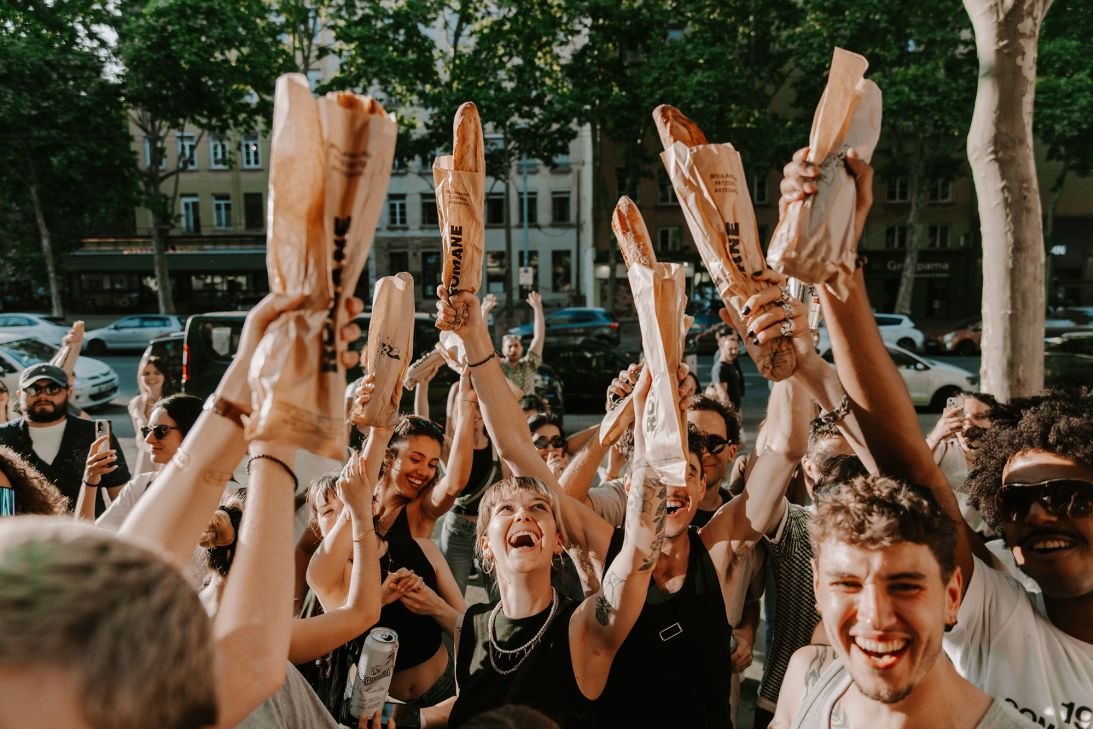
From Brisbane to Paris and Toronto, this movement has resonated with many in Gen Z and younger Millennials who are turning away from alcohol in favor of healthier lifestyles. In Paris, Alexis Duvivier, known as Aazar, launched the first bakery rave in 2019, merging his love for music with the comforting atmosphere of French boulangeries. “I wanted to create a free event for my fans, merging my two passions — music and baked goods,” Duvivier explained. His first event at The French Bastards featured DJs playing against a backdrop of fresh pastries, creating a visually striking and enjoyable experience for attendees.
As the bakery rave concept grew, it became more than just a fun idea; it reflected broader social changes. “In Korea, there’s a lot of competition and mental illness in society,” Jae-hyun noted. “I want to help Koreans have a freer life… tell them to calm down, relax, take it easy, and that everything is going to be fine.” South Korea grapples with a severe mental health crisis, boasting the highest suicide rate among OECD countries at 23 per 100,000 people in 2023. The Coffee Rave and similar events offer a communal space for individuals seeking relief from the pressures of daily life.
Participants like Park Jihyun emphasize the sense of freedom and authenticity these raves provide, allowing individuals to express themselves without the inhibitions often associated with alcohol. This sentiment resonates with many attendees, including British content creator Freya Hawksley, who appreciates the energy boost she feels from participating in morning raves rather than traditional late-night parties. “When you go to these morning parties, you actually gain energy,” Hawksley stated, highlighting the invigorating nature of these events.
Changing Dynamics of Nightlife
The shift toward sober raves is also evident in London, where DJs Manpal Bhullar and Vishal Kamle have launched daytime raves that cater to a new generation of partygoers. Kamle remarked, “I’m at that age where I don’t want to be out until the early morning, drinking and clubbing.” This change is echoed by a recent consumer report from the Night Time Industries Association UK, which found that 61% of respondents aged 18-30 reported going out less frequently, citing safety concerns and financial pressures.
In Toronto, the Coffee Party has joined the trend, offering sober raves that have revitalized the local nightlife scene. Co-founder Matthew Campoli noted that the pandemic highlighted a need for genuine connections, leading many to prioritize wellness and community engagement over traditional nightlife.
Attendees like Franklin Vaz have found the sober rave environment to be transformative. After deciding to quit alcohol, he attended a Coffee Party event and struck up a conversation with a fellow attendee, leading to a romantic connection that blossomed from shared interests in fitness and healthy living. “The events are very motivating,” Vaz shared, noting how they inspire attendees to pursue their best selves.
As sober raves continue to grow in popularity, they are establishing new norms in the party scene, inviting individuals to embrace healthier lifestyles while fostering a sense of community and connection. This evolution reflects a broader cultural shift toward prioritizing well-being and personal fulfillment over the traditional nightlife experiences.