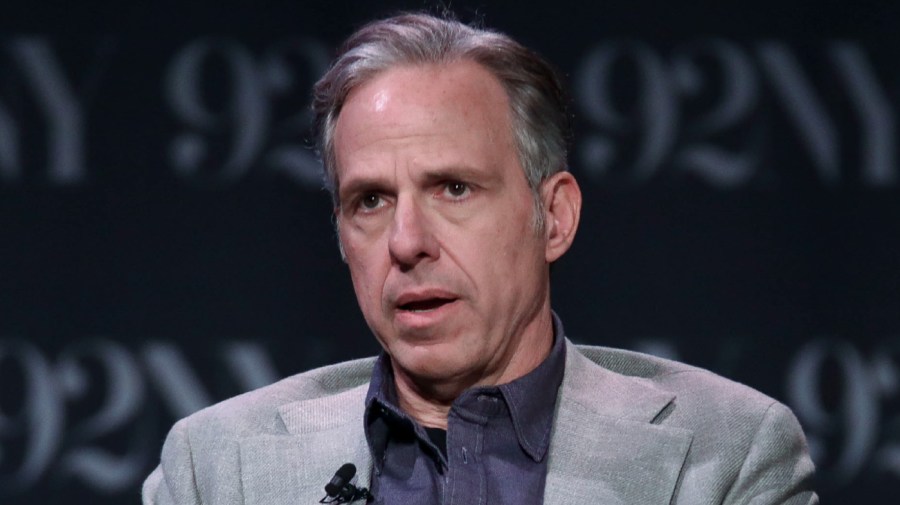
CNN anchor Jake Tapper has criticized the Trump administration for its portrayal of the conflict in Iran as a trivial matter, likening it to a game. This statement came after the White House shared clips on social media that juxtaposed footage of U.S. military operations with scenes from video games and Hollywood films. The release sparked controversy and raised concerns over the messaging surrounding military actions.
In a segment aired on March 15, 2024, Tapper expressed his disapproval, stating, “The last day or so, the White House has released videos that make light of a serious situation.” He pointed out that conflating military action with entertainment diminishes the gravity of the ongoing situation in Iran, which involves real human lives and significant geopolitical implications.
The videos posted by the White House were intended to communicate a message of strength and resolve. However, they drew backlash for their perceived insensitivity. Critics argue that presenting military action in a playful manner undermines the complexities involved in international conflicts.
Tapper’s remarks highlight a broader concern among commentators regarding how the U.S. government communicates its military strategies. He emphasized that the conflict in Iran should not be treated lightly, noting that “this is not a game.” His commentary reflects a growing sentiment that the serious nature of military engagement requires a more respectful approach.
The Trump administration has not officially responded to Tapper’s comments, but the incident has reignited discussions about the importance of responsible communication in government messaging. It raises questions about how the public perceives military actions and the narratives constructed around them.
As the situation in Iran continues to evolve, the implications of the administration’s approach remain to be seen. Observers are calling for a more thoughtful discourse that acknowledges the serious consequences of military interventions, urging officials to consider the potential impact of their words and imagery.
In a time when information spreads rapidly through platforms like social media, the framing of military actions can have far-reaching consequences. The White House’s decision to blend military footage with entertainment elements has prompted calls for a reevaluation of how such narratives are constructed, especially in the context of international affairs.
As tensions in Iran persist, the discourse surrounding military action will likely remain a focal point of public debate. The implications of how leaders choose to communicate these matters could shape not only public perception but also the international community’s response to ongoing conflicts.