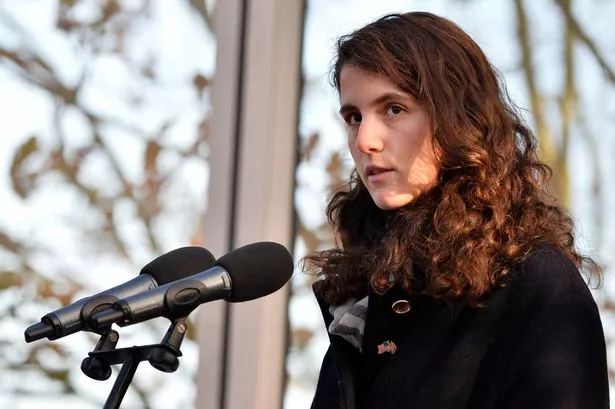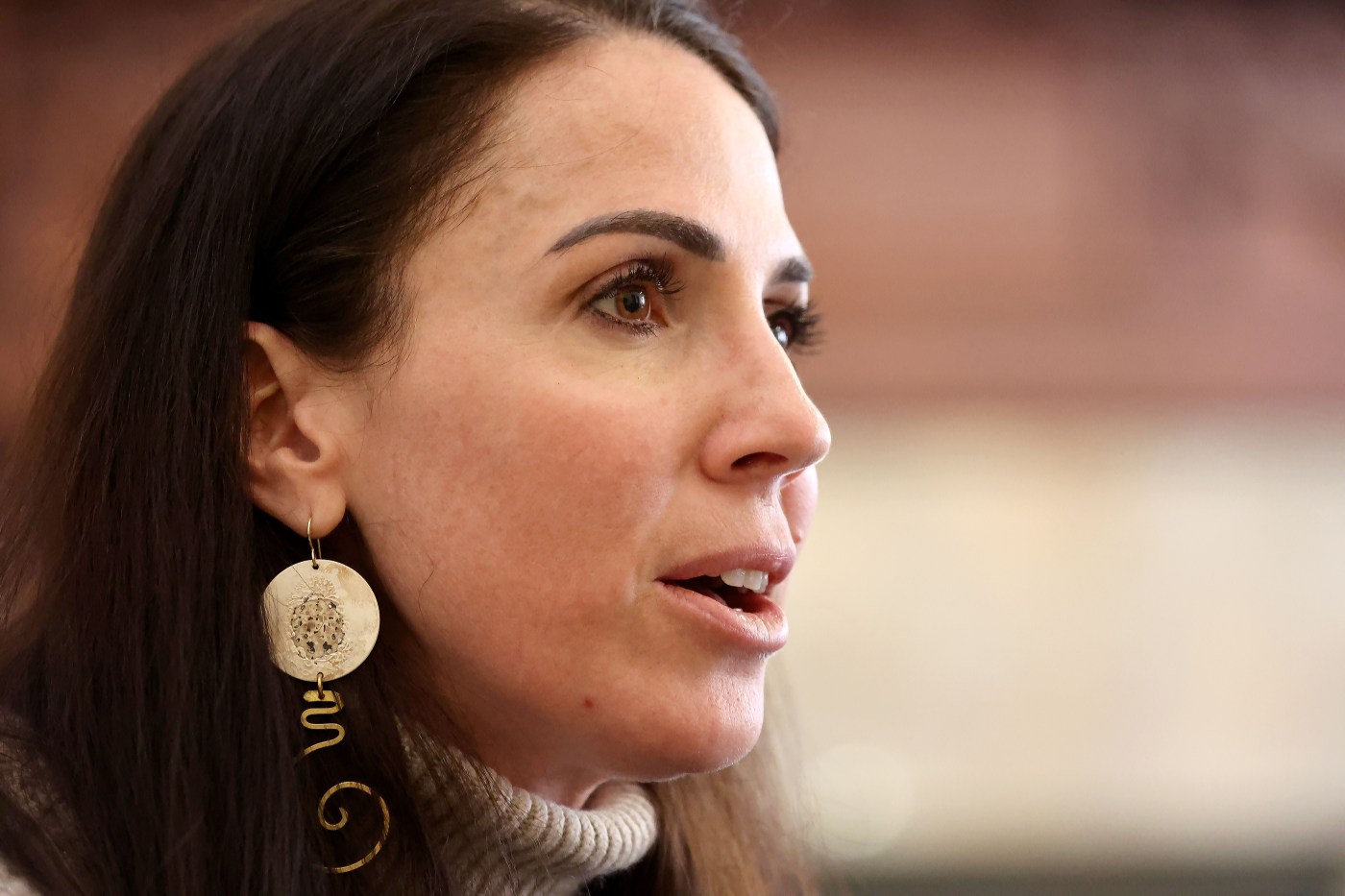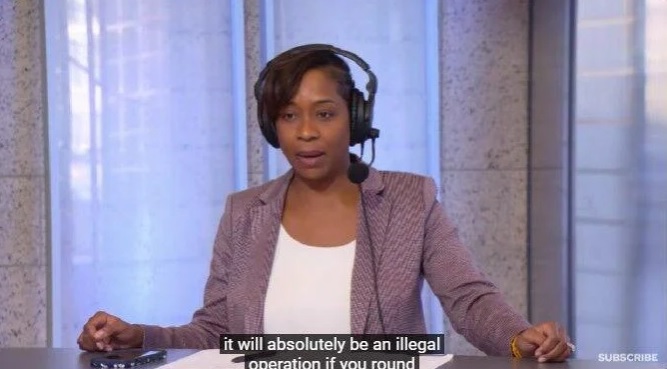
The conflict between Massachusetts Attorney General Andrea Campbell and State Auditor Diana DiZoglio has intensified, centering on the auditor’s authority to investigate the Legislature’s operations. This ongoing struggle has been marked by public statements and accusations, with both officials attempting to clarify their positions following a recent radio interview.
During her appearance on GBH’s Boston Public Radio on October 3, 2023, Attorney General Campbell expressed hope that voters will receive the transparency they sought through a ballot measure passed in 2024. This measure aimed to grant the auditor the power to scrutinize legislative processes that typically occur outside public view. Campbell, however, attributed the current deadlock to DiZoglio’s actions. She stated, “I hope the auditor stops the standoff,” indicating frustration over the lack of progress.
In response, DiZoglio has accused Campbell of obstructing the will of the voters, suggesting that the Attorney General’s reluctance to proceed is rooted in “public corruption.” Nearly 75% of constituents supported the measure, yet leaders within the Legislature have raised concerns about its constitutional validity, complicating the situation further.
The back-and-forth continued as both parties reiterated their claims regarding responsibility for the audit delays. At an October rally in support of the legislative audit, DiZoglio claimed that Campbell was “working together with legislative leaders” to hinder the investigation. Campbell countered, emphasizing the need for the audit to adhere to constitutional guidelines. She acknowledged that while Question 1 is indeed law, the lack of actionable powers hampers its effectiveness.
For the audit to proceed, Campbell insists that DiZoglio must clarify responses to key legal questions. In her statements, Campbell noted, “In order to move forward, the auditor must address our unanswered questions,” which include the scope of potential audits and legal claims she intends to pursue.
DiZoglio has consistently challenged these assertions, stating, “What questions?” She has urged Campbell to take legal action if she believes her office has not provided sufficient information. “If she’s going to continue to allege that, then it is her obligation to sue me and my office,” DiZoglio asserted, indicating her willingness to take the matter to court.
In the latest developments, Campbell reiterated her stance during the radio interview, describing DiZoglio’s office as the only entity causing issues since she took office. “It’s not for lack of trying to resolve this,” Campbell added, underscoring the ongoing frustrations.
DiZoglio responded sharply, labeling Campbell’s claims as “stall tactics” that potentially allow the Legislature more time to “destroy documents and records.” She further highlighted that her office is in discussions with the law firm of Donnelly, Conroy & Gelhaar to explore legal options.
Campbell outlined that the fundamental questions DiZoglio must answer relate to her auditing authority, including which aspects of the Legislature she intends to investigate. When asked if it was unreasonable to seek clarity on these issues, Campbell maintained that such inquiries were essential for judicial processes.
As this stalemate continues, it appears that both the Attorney General’s and Auditor’s offices remain entrenched in their positions. The resolution of this conflict will likely require further legal clarification, and both parties are preparing for possible litigation as they navigate the complexities of Massachusetts law.