President Donald Trump will meet with Israeli Prime Minister Benjamin Netanyahu on Monday at his Mar-a-Lago estate in Florida, aiming to revitalize efforts for a U.S.-brokered ceasefire in Gaza. This meeting comes at a critical juncture as progress towards a lasting peace appears to be slowing. Both sides have raised accusations of ceasefire violations, further complicating the situation.
The ceasefire, which began in October 2023, was established shortly after the two-year anniversary of a Hamas-led attack that resulted in approximately 1,200 Israeli fatalities. While most hostages taken during the conflict have been released, the path to a sustainable peace remains fraught with challenges. Trump’s administration seeks to leverage its influence to expedite the next phase of negotiations.
Challenges Ahead for Ceasefire Implementation
During their discussions, Trump is expected to encourage Netanyahu to embrace a more proactive stance in the peace process. Critics, including Mona Yacoubian, director of the Middle East Program at the Center for Strategic and International Studies, argue that Netanyahu has not been sufficiently aggressive in pushing for rapid advancements. “This is going to be a really tall order for President Trump to get Netanyahu to agree,” Yacoubian stated, highlighting the complexities involved.
The second phase of the ceasefire involves ambitious goals, including the creation of a demilitarized Gaza under international supervision. Trump’s 20-point plan, which has received backing from the U.N. Security Council, proposes that a committee of Palestinian technocrats manage daily affairs in Gaza. The plan also envisions normalized relations between Israel and Arab nations and outlines potential pathways towards Palestinian independence.
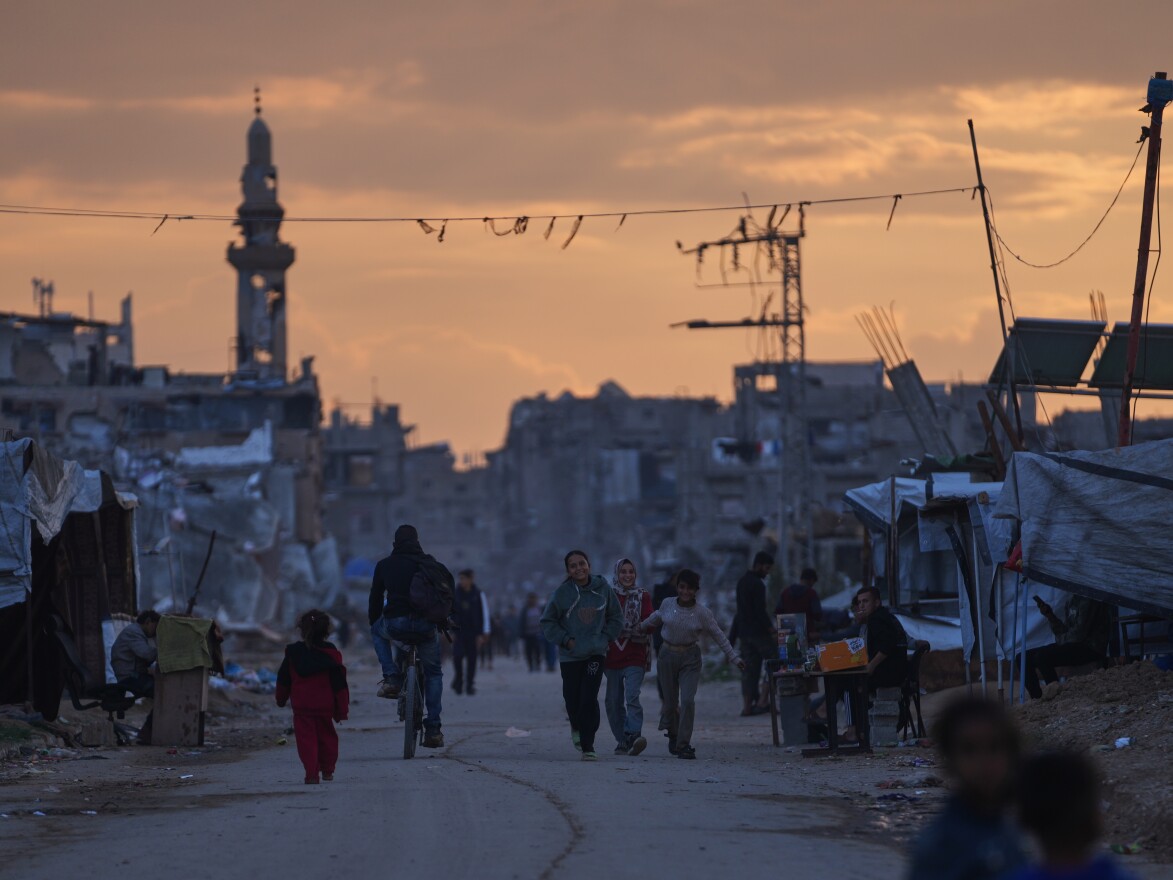
Key logistical and humanitarian issues persist, particularly regarding the reconstruction of Gaza, the disarmament of Hamas, and the establishment of an International Stabilization Force. This multinational body is intended to maintain security in the region, although it has yet to be formed. A Western diplomat noted a significant divide between U.S.-Israeli expectations for the force’s mandate and perspectives from other nations.
Regional Dynamics and Reconstruction Efforts
The backdrop for Monday’s meeting includes recent consultations involving U.S. Middle East envoy Steve Witkoff and Trump’s son-in-law, Jared Kushner. They met with officials from Egypt, Qatar, and Turkey, who have been mediating the ceasefire. Complications arise from Israeli officials taking considerable time to vet members of the Palestinian technocratic committee and ongoing military operations in Gaza.
Additionally, discussions for Gaza’s reconstruction are underway, with Arab nations such as Egypt, Qatar, Saudi Arabia, and Turkey advocating for disarmament negotiations and a further Israeli withdrawal from Gaza. Reports indicate that the United Arab Emirates has agreed to fund reconstruction efforts, although details remain unconfirmed.
A proposed U.S. plan includes a “UAE Temporary Emirates housing complex” within an Israeli-controlled area of Gaza. This proposal suggests a collaborative effort to provide housing for Palestinians, although the UAE has not publicly commented on its involvement or conditions concerning Israeli or Hamas concessions.
As Trump and Netanyahu prepare for their meeting, the outcomes remain uncertain. Questions surrounding Gaza’s reconstruction, the role of the International Stabilization Force, and the future of Israeli-Palestinian relations intensify the stakes for both leaders. The world watches closely as they navigate these complex dynamics, hoping for a breakthrough that could foster long-term peace in the region.