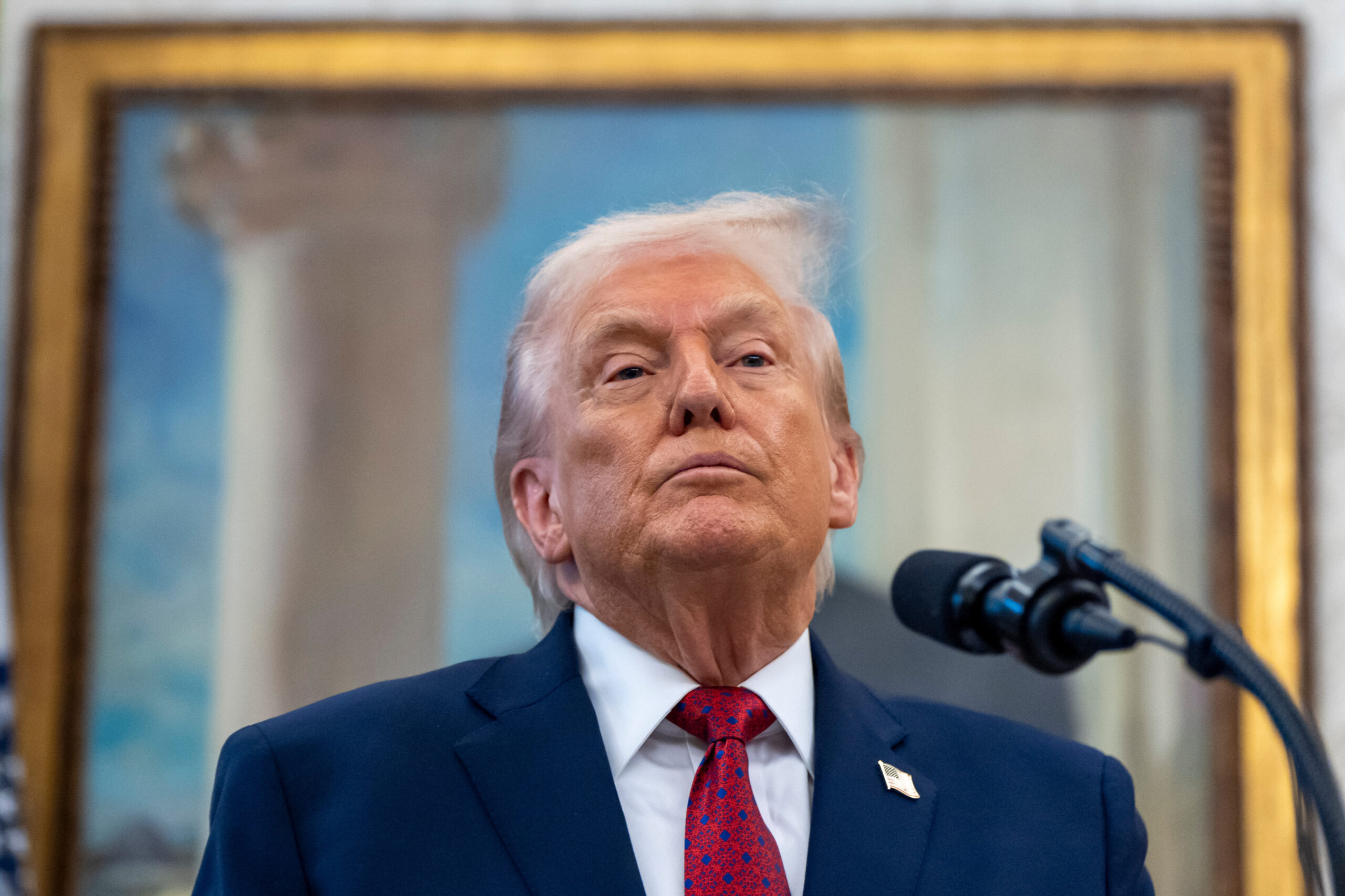
Former President Donald Trump has officially designated fentanyl as a weapon of mass destruction. This declaration, announced on October 23, 2023, could significantly reshape U.S. policy towards China and influence the administration’s military strategies in the Western Hemisphere.
The move comes amid escalating concerns over the increasing quantities of fentanyl entering the United States, primarily from China. This powerful synthetic opioid has been linked to a dramatic rise in overdose deaths across the nation, with more than 100,000 fatalities recorded in the past year alone. Trump’s classification aims to emphasize the urgency of addressing this public health crisis, framing it as a national security threat.
Potential Political and Military Ramifications
By labeling fentanyl a weapon of mass destruction, Trump’s administration is signaling a shift in its approach to drug trafficking and international relations. This classification could lead to more stringent measures against countries responsible for the production and distribution of fentanyl. It has the potential to heighten tensions with China, which has been criticized for not doing enough to curb the flow of this substance into the U.S.
The classification may also prompt the U.S. military to consider enhanced operations in the Western Hemisphere. This could involve increased surveillance and enforcement efforts aimed at intercepting drug shipments before they reach American shores. The implications of such a strategy could extend beyond the drug crisis, affecting diplomatic relations and military alliances in the region.
Trump’s declaration has garnered mixed reactions from lawmakers and public health experts. Some support the initiative, arguing it reflects the severity of the opioid crisis. Others caution that the label may complicate ongoing efforts to manage drug addiction and treatment in the country.
Public Health Concerns and Responses
As the U.S. grapples with an epidemic of fentanyl-related overdoses, public health officials have been advocating for comprehensive strategies to combat the crisis. This includes expanding access to addiction treatment, increasing the availability of overdose-reversal drugs, and enhancing education about the dangers of fentanyl.
The National Security Council is expected to explore various avenues to address the implications of this classification. In addition to military measures, there may be a push for international collaboration to tackle the production of fentanyl at its source.
As this policy unfolds, the impact on communities affected by the opioid crisis remains a critical focus. Advocates are urging for a balanced approach that prioritizes public health while addressing the underlying issues of drug trafficking and addiction.
Overall, Trump’s designation of fentanyl as a weapon of mass destruction marks a pivotal moment in U.S. policy that could influence both domestic and international responses to a growing crisis. The coming months will reveal how this declaration will shape the landscape of drug enforcement and international relations.