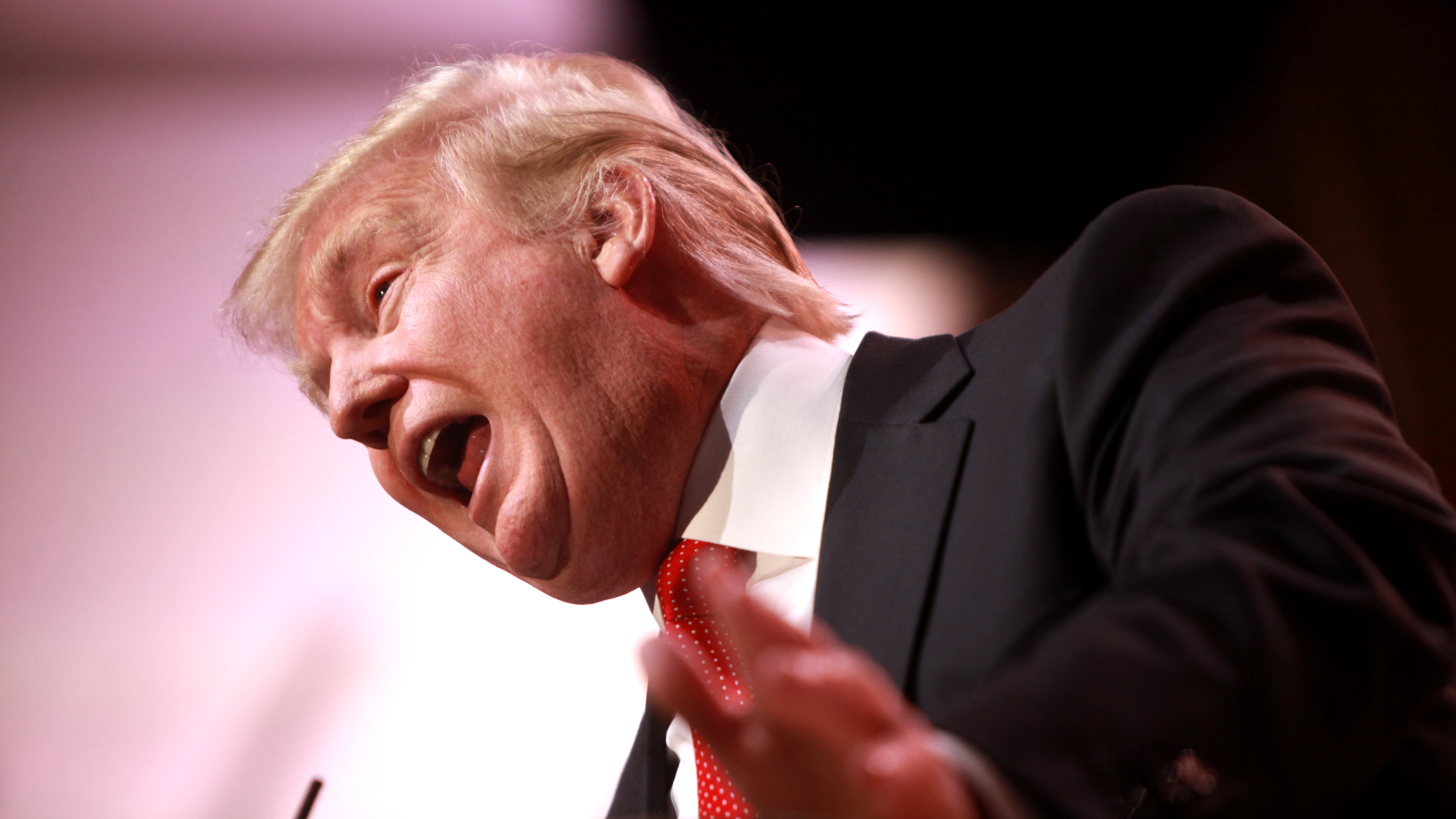
The U.S. administration under President Donald Trump has positioned itself to exert significant control over oil production in the Americas, following strategic actions regarding Venezuela. By consolidating oil resources from the United States, Canada, and various Latin American countries—including Mexico, Brazil, and Colombia—Trump has effectively broadened Washington’s influence within the global oil market. Together, these regions contribute nearly 40% of the world’s oil output.
This geopolitical shift marks a pivotal change in U.S. foreign policy, reminiscent of the historic Monroe Doctrine, which established American dominance in Latin America over 200 years ago. The updated strategy, sometimes referred to as the “Donroe Doctrine,” reflects a modern approach where natural resources play a central role.
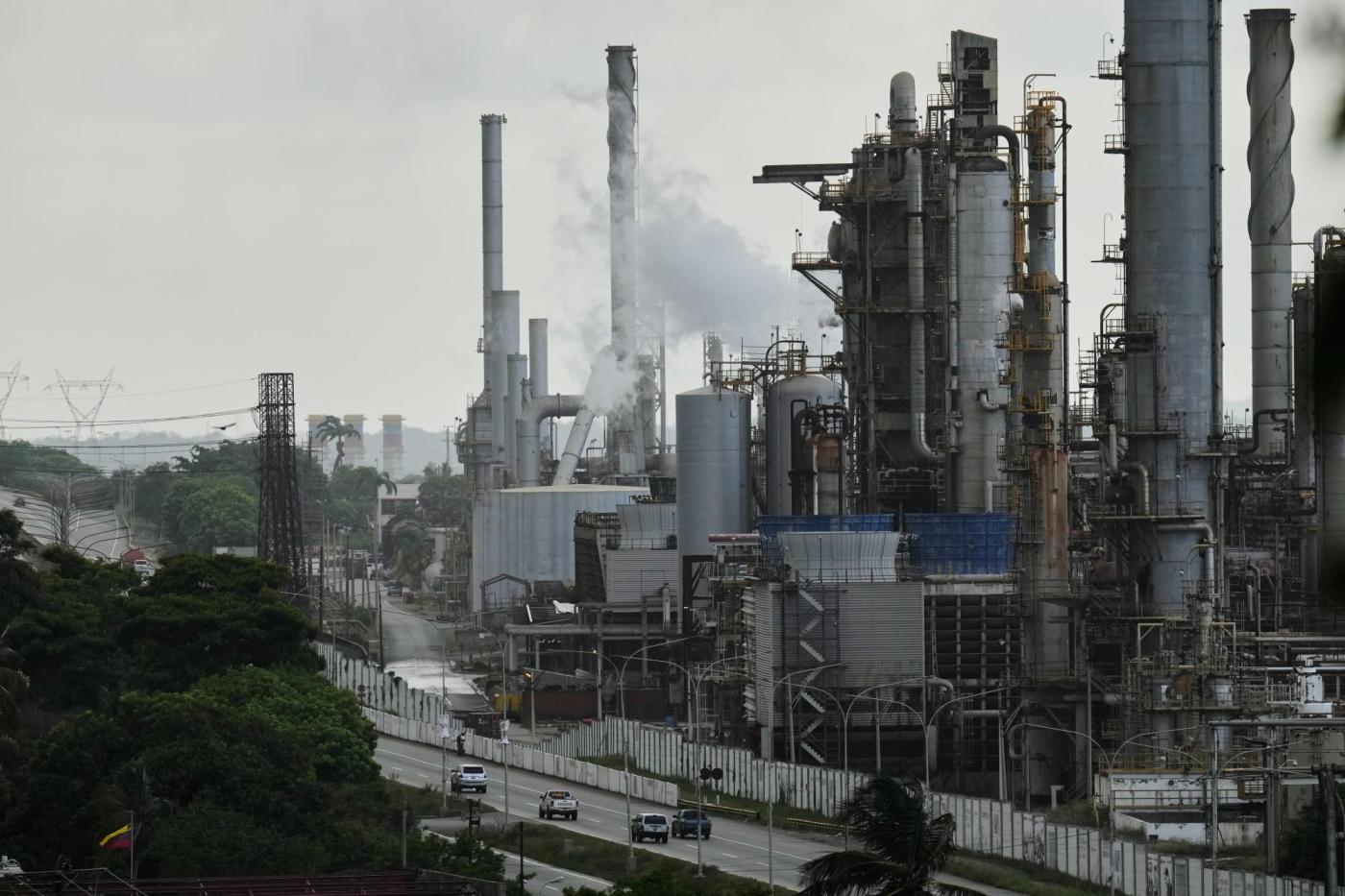
The implications of this control are profound. The U.S. is not only positioned to oversee oil production but could also directly manage resources, particularly in Venezuela, which, despite its current production level of around 1 million barrels per day, has the potential to significantly increase output. Historically, Venezuela reached production levels exceeding 3.7 million barrels per day in the 1970s, and the geological capacity remains intact. The necessary factors to unlock this wealth include capital, time, and political stability, which have been elusive since the rise of Hugo Chavez and his successor, Nicolás Maduro.
While the Trump administration has taken aggressive steps in foreign policy, including military actions against Iranian interests and support for Ukraine against Russian aggression, its control over oil resources is a game changer. With reduced reliance on foreign oil supplies, the U.S. can afford to negotiate from a position of strength, even turning down offers from nations like Russia for access to their oil fields.
The potential for Venezuelan oil to once again play a critical role in the global market is significant, even if immediate increases in production are unlikely. The timeline for revitalizing Venezuela’s oil industry extends beyond the next few years. Experts suggest that increased production may not be feasible until the early 2030s. By then, if Trump’s vision materializes and relations improve, Venezuela could contribute substantially more to the oil market.
Overall, this shift in U.S. foreign policy underscores a new era of energy independence and influence. The repercussions of Trump’s policies extend beyond oil production, impacting diplomatic relations with oil-rich nations across the globe. The administration’s strategies illustrate a calculated approach to harnessing energy resources, positioning the U.S. as a central player in the global oil landscape.
As the world grapples with energy demands and geopolitical tensions, the unfolding narrative of oil control and production in the Americas will remain a focal point of U.S. foreign policy. The consolidation of oil resources under Washington’s oversight not only affects economic dynamics but also reshapes alliances and enmities in a complex global environment.