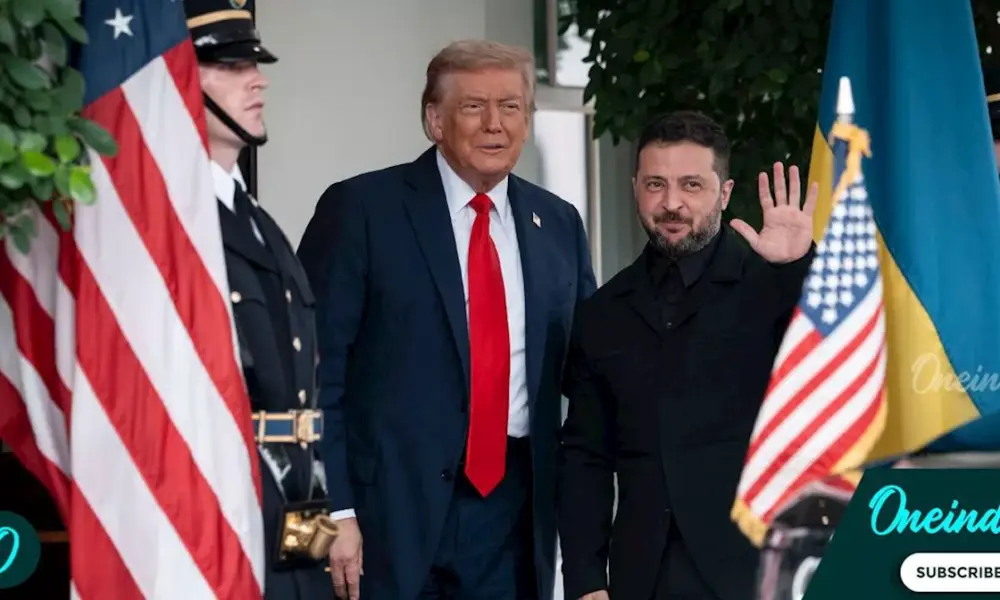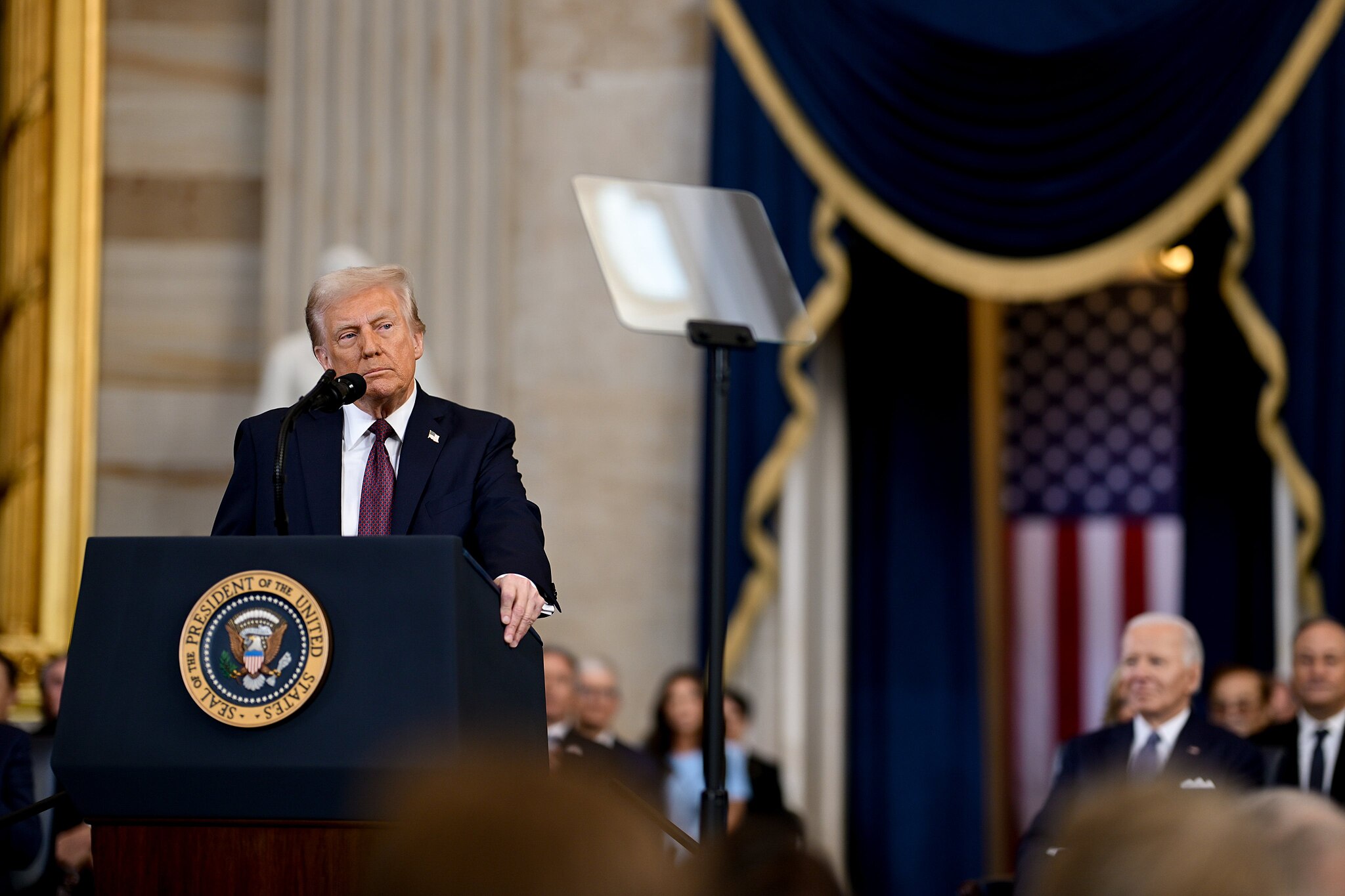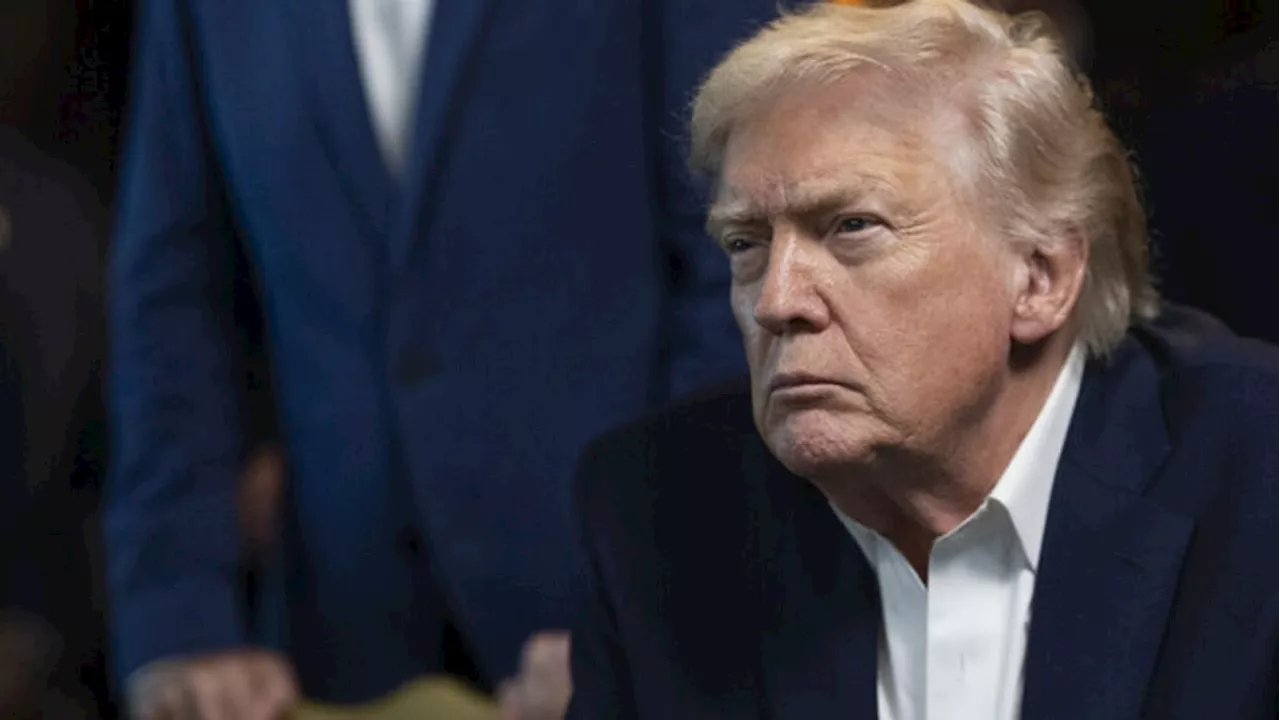
President Donald Trump stated on January 3, 2026, that Tim Walz, the Democratic Governor of Minnesota, may resign before the end of his term. This announcement follows Walz’s decision not to seek reelection amid ongoing allegations of fraud in the state’s daycare system.
In a post on TRUTH Social, Trump claimed that Walz, who is under scrutiny for the alleged misappropriation of taxpayer funds, would likely depart from his position. Trump described Walz as “Minnesota’s Corrupt Governor” and accused him of being involved in a scheme to steal “tens of billions of taxpayer dollars,” alongside political figures such as Ilhan Omar and others.
The accusations against Walz have gained traction due to investigations led by independent journalist Nick Shirley. Over the weekend, Walz dismissed Shirley’s credibility, referring to him as a “far right YouTuber.” This exchange occurred after Shirley raised questions about the circumstances surrounding the death of Melissa Horton, a former Speaker of the Minnesota House of Representatives, suggesting that her death was linked to her criticisms of illegal immigration.
Walz’s announcement of his decision not to run for a third term has garnered significant attention. His critics have seized the opportunity to highlight the allegations, with South Carolina Republican Representative Nancy Mace commending Shirley’s work and implying that it has effectively ended Walz’s political career.
The situation surrounding Walz’s administration continues to evolve as investigations into the alleged fraud unfold. Many citizens are expressing concern over the implications of these allegations on public trust and governance in Minnesota.
As the political landscape in Minnesota shifts, it remains to be seen how this controversy will impact Walz’s remaining time in office and the upcoming electoral cycle. The community’s response could play a crucial role in determining the future of leadership in the state, particularly as new candidates emerge to fill the void left by Walz’s decision.
This situation highlights the complex interplay of politics, governance, and public accountability, with both supporters and detractors closely monitoring developments.