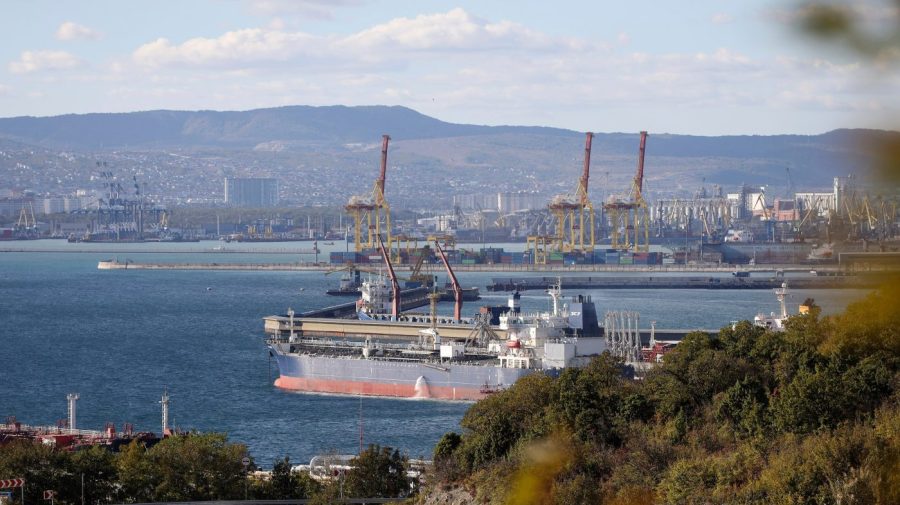
The U.S. military has seized a Russian-flagged oil tanker in the North Atlantic, a move that is likely to heighten tensions between Washington and Moscow. This incident, which occurred on October 10, 2023, is part of ongoing geopolitical conflicts stemming from Russia’s actions in Eastern Europe.
The tanker, named the Ural, was reportedly intercepted while transporting oil in violation of sanctions imposed by the United States and its allies. According to a statement from the Pentagon, the operation aimed to enforce international laws and prevent the illicit shipment of oil that supports Russia’s military operations.
In response to the seizure, the Russian government condemned the action as an “illegal act of aggression.” The Russian Foreign Ministry issued a statement, claiming it violates international maritime law. This reaction underscores the growing rift between the two nations, particularly in light of the ongoing conflict in Ukraine.
Geopolitical Implications of the Seizure
The seizure of the Ural adds another layer to the already complex relationship between Russia and the United States. Experts suggest that such actions could provoke retaliatory measures from Russia, potentially leading to further military confrontations or economic sanctions. The U.S. military has increased its presence in the region in recent months, citing concerns over maritime security and the protection of international shipping lanes.
The ramifications extend beyond military concerns. The oil market could also feel the pressure, as Russia is a significant player in global oil supply. The U.S. has been actively working to reduce Russia’s oil revenues, which it uses to fund its military initiatives. Analysts will be monitoring oil prices and supply chains closely, as disruptions could lead to increased volatility in the market.
International Reactions
Reactions from international stakeholders have varied. NATO allies have expressed support for the U.S. action, emphasizing the need to uphold sanctions against Russia. Meanwhile, countries that maintain closer ties with Moscow have criticized the seizure, calling for dialogue and de-escalation of tensions.
The situation remains fluid, with potential for further developments in the coming weeks. As the U.S. continues to assert its stance against perceived Russian aggression, the global community will be watching closely to see how Moscow responds and what this means for international relations moving forward.
While the U.S. maintains that its actions are necessary for global security, the risk of escalation presents a challenging dilemma for policymakers. Balancing assertiveness with diplomatic efforts will be crucial in navigating this increasingly tense geopolitical landscape.