The future of the Dallas Area Rapid Transit (DART) system hangs in the balance as several cities consider withdrawing their support amid concerns about fairness and funding. This issue has sparked a lively debate among residents and local leaders, highlighting the urgent need for a more cohesive regional transit strategy.
In a recent article, it was noted that DART faces potentially severe budget cuts if local sales taxes are not renewed. In stark contrast, the coverage of the DFW International Airport showcased its successful regional cooperation, positioning the Dallas-Fort Worth area as a major global player. As Javier David pointed out, the airport represents strategic planning and collaboration, qualities that are sorely lacking in DART’s current structure.
DART’s operational challenges have prompted cities like Farmers Branch to consider pulling out of the system entirely. Ronald Briggs, a resident of Richardson, expressed frustration over the lack of available ridership data. He argues that without this information, local leaders cannot adequately assess the potential impact of a withdrawal on their communities. “How can we possibly quantify the impact on our citizenry if we vote to pull out without basic information about utilization?” he questioned.
The financial implications of a city exit from DART could be significant. Residents would continue to pay a one-cent sales tax until 2036, regardless of whether they utilize the transit system. David Alan Jones, from Farmers Branch, underscored the necessity of clear communication regarding these obligations to voters.
Concerns over DART’s efficiency have also been raised. Some residents, including John Haller from Plano, argue that a city-by-city approach will not solve the overarching issues faced by the transit system. Haller emphasized that successful transit systems require regional collaboration, allowing for seamless connections between communities. He cited how a DART train stop in Dallas offers value to Plano residents when linked to a station in their city.
Residents have voiced mixed opinions about their experiences with DART. Dale Strimple from Plano recounted his decision to stop using DART due to concerns over safety and passenger behavior. He highlighted the need for a transit system that prioritizes user safety to regain public trust and usage.
The economic performance of DART has also come under scrutiny. Bill Pritchard from Farmers Branch pointed out that ridership is low compared to capacity, with fares covering only about 6% of operating costs. He attributed this to a decline in commuting to downtown Dallas, a factor that has made alternatives like improved highway access more appealing.
Amid these discussions, some residents are questioning the motivations behind the calls for DART cuts. David Randolph from Plano raised concerns about potential external influences, asking, “What major donor is behind this effort?” This sentiment reflects a growing unease about the future direction of public transit funding in the region.
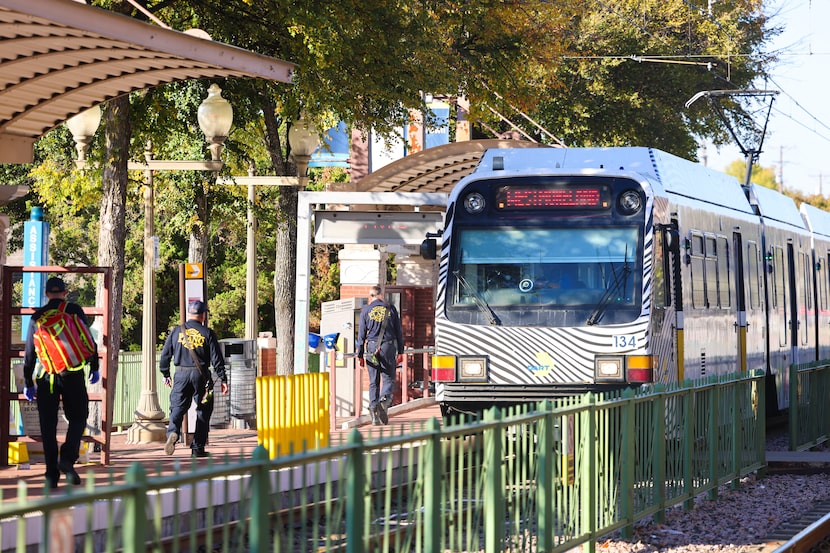
The recent opening of the Silver Line on October 24 has generated excitement among many residents. However, the absence of local leaders from Plano at this significant event has raised eyebrows. Tyler Wright from Addison criticized Mayor John Muns and the City Council for not taking part in what he described as a crucial transportation milestone for the region, calling it “petty and in poor taste.”
Looking ahead, the discussions surrounding DART’s future highlight the critical need for regional cooperation in addressing public transit challenges. As residents weigh their options, the stakes are high—not just for the cities involved but for the entire Dallas-Fort Worth area, which relies on effective transportation solutions to support its growth and development.