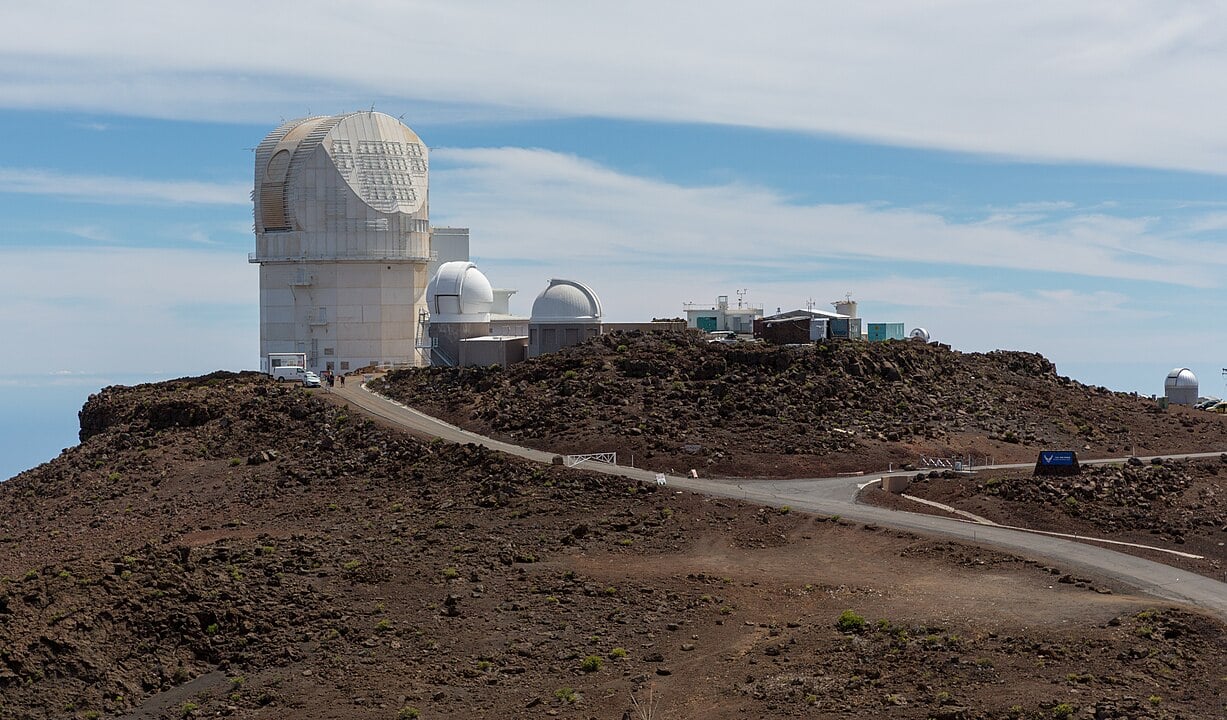
In a groundbreaking achievement, astronomers have enhanced our understanding of the Sun by using dual observation techniques. The collaboration between the National Science Foundation‘s Daniel K. Inouye Solar Telescope, located in Maui, Hawaii, and the European Space Agency‘s Solar Orbiter has created a new perspective on solar dynamics. This innovative approach allows scientists to examine the Sun’s complex features with unprecedented detail.
Transforming Solar Observations
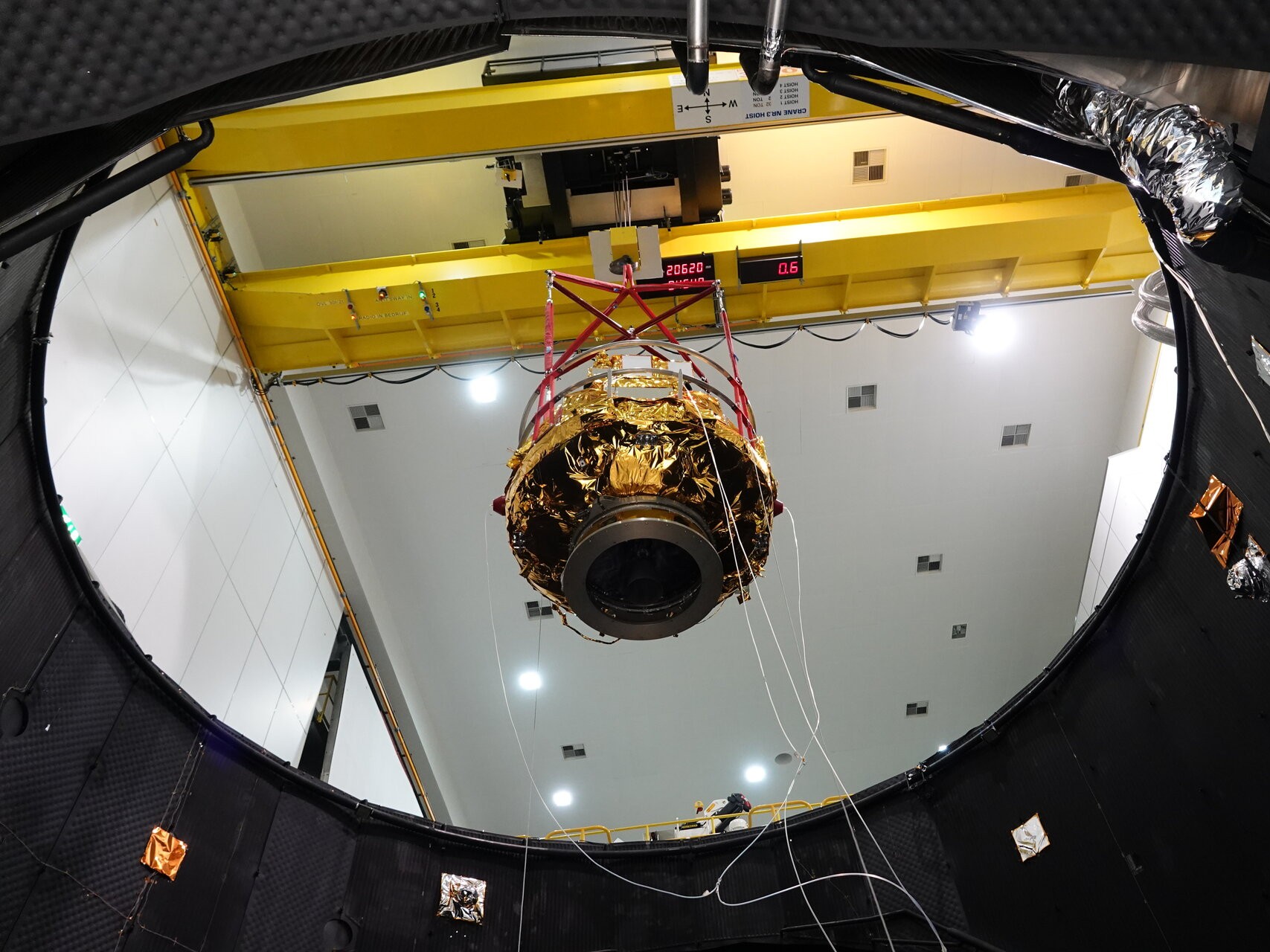
In October 2022, the two instruments synchronized their observations to focus on a decaying active region of the Sun. The Inouye Telescope, positioned on Earth, captured images of the Sun’s photosphere and chromosphere, while the Solar Orbiter, situated closer to the Sun, monitored the hotter transition region and corona from space. This dual-view strategy provided a comprehensive understanding of solar structures that neither instrument could achieve alone.
To illustrate the precision of this collaboration, consider the scale involved. If the Sun were represented by a chair at one end of a football field, the Solar Orbiter’s field of view would be comparable to a five-pound note sitting on that chair. Within that small area, the Inouye Telescope’s observing window is akin to a tiny coin, highlighting the remarkable detail captured from a distance of 150 million kilometers.
Revealing Solar Mysteries
The observations led to the identification of structures known as “campfires.” These fleeting extreme ultraviolet brightenings had largely gone unnoticed until recent technological advancements. Although each campfire appears minor on its own, they occur in vast numbers, potentially holding the key to understanding how the Sun’s outer atmosphere reaches temperatures exceeding one million degrees Celsius, while the surface remains around 5,500 degrees.
By coordinating high-resolution ground observations with space-based perspectives, scientists can now trace how these small-scale events interact with larger magnetic structures. This collaboration has significant implications for solar research and our understanding of solar dynamics, particularly regarding the heating mechanisms of the solar corona.
As astronomers continue to explore the complexities of the Sun, this partnership between the Inouye Telescope and the Solar Orbiter marks a significant advancement in solar science. By combining their strengths, these instruments provide a more complete picture of our star, paving the way for new discoveries in the field of astrophysics.