On January 11, 2024, the Moon transitions into the Waning Crescent phase, marking the final stages of the current lunar cycle. This cycle, which spans approximately 29.5 days, involves the Moon completing its full orbit around Earth while showcasing eight distinct phases. Tonight, observers can expect to see about 42% of the Moon illuminated, providing an excellent opportunity for stargazers to appreciate its features.
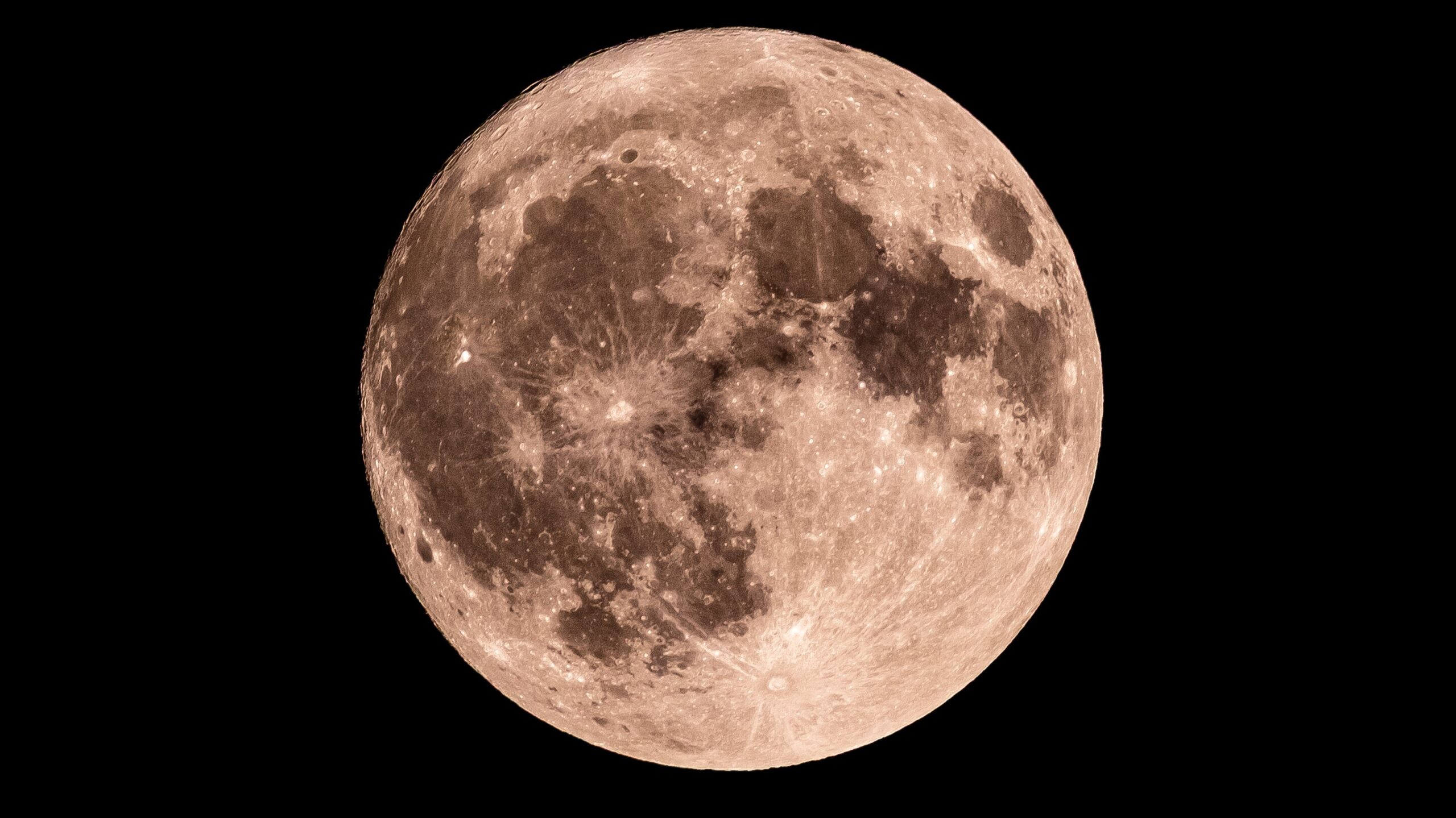
As the Moon reaches the Waning Crescent, it presents a unique visual experience for those looking up. According to NASA’s Daily Moon Guide, no special equipment is needed to observe prominent features on the Moon’s surface. With the naked eye, viewers can spot the Aristarchus Plateau, Kepler Crater, and Tycho Crater. For those equipped with binoculars, additional details such as the Grimaldi Basin, Clavius Crater, and the Mare Humorum become visible. A telescope will further enhance the experience, allowing enthusiasts to see significant locations like the Apollo 12 landing site and the Schiller Crater.
Understanding Lunar Phases
The various phases of the Moon result from its orbit around Earth and the changing angles of sunlight that illuminate its surface. As the Moon moves, different portions are lit, leading to the observed changes from a New Moon—when it is entirely dark—to a Full Moon, when it is fully visible. The lunar cycle can be broken down into eight main phases:
– **New Moon**: The Moon is positioned between Earth and the sun, making it invisible from our vantage point.
– **Waxing Crescent**: A small crescent of light appears on the right side in the Northern Hemisphere.
– **First Quarter**: Half of the Moon is illuminated on the right, resembling a half-Moon.
– **Waxing Gibbous**: More than half is lit, approaching fullness.
– **Full Moon**: The entire face of the Moon is visible and illuminated.
– **Waning Gibbous**: The light begins to diminish on the right side.
– **Third Quarter (or Last Quarter)**: Another half-Moon, but now the left side is illuminated.
– **Waning Crescent**: A thin sliver of light remains on the left before it becomes dark again.
The next significant lunar event will be the Full Moon on February 1, 2024. The previous Full Moon occurred on January 3, 2024, indicating a dynamic lunar schedule that captivates both casual observers and astronomy enthusiasts alike.
As individuals prepare to gaze at the night sky, understanding the Moon’s phases enriches the experience. Tonight’s Waning Crescent phase serves as a reminder of the beauty and complexity of our celestial neighbor, inviting curiosity and exploration.