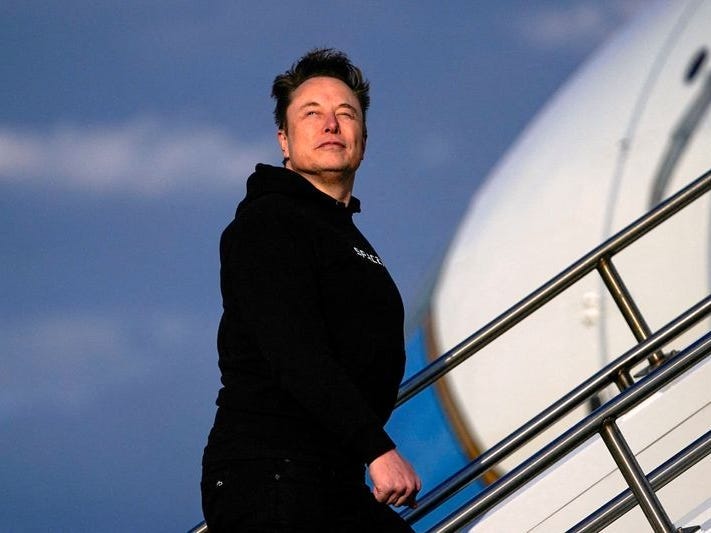
Elon Musk recently revealed that he underwent an MRI and uploaded the results to his AI chatbot, Grok. During an interview with podcaster Peter Diamandis, Musk stated that both Grok and his doctors found no issues with the scan. This decision underscores a growing trend where individuals are increasingly turning to artificial intelligence for additional insights into their health.
Musk shared the details of his MRI experience in a conversation that was posted on March 12, 2024. He mentioned, “I did an MRI recently and submitted it to Grok. None of the doctors nor Grok found anything.” The reasons behind Musk’s MRI remain unclear, but his discussion with Diamandis highlighted the intersection of AI technology and health, particularly in the context of longevity.
The conversation took place against a backdrop of significant investment in anti-aging research by tech leaders in Silicon Valley. Notable figures like Sam Altman and Peter Thiel are pouring millions into initiatives aimed at extending human lifespan. Furthermore, Dario Amodei, CEO of Anthropic, noted in 2024 that AI could potentially double life expectancy by 2030.
In a previous engagement, Musk had encouraged the public to utilize Grok for their health inquiries. He referenced a case where a man from Norway shared on Reddit that Grok had played a pivotal role in his recovery. The chatbot prompted him to return to the hospital, leading to a CT scan that revealed an impending appendix rupture, which had initially gone undetected by doctors. “Try it!” Musk urged on social media, echoing sentiments from his February 2025 appearance on Joe Rogan‘s podcast, where he expressed confidence in AI’s capabilities for medical diagnostics.
Musk’s thoughts on the implications of immortality were also noteworthy during the interview. He cautioned that true immortality could be “one of the worst curses you could possibly give anyone.” Despite this, he expressed optimism about the potential to solve the challenges of aging. “I’ve long thought that longevity or semi-mortality is an extremely solvable problem,” he stated. Musk further elaborated that the synchronization of aging in the human body suggests a clear biological clock behind the aging process.
Diamandis, who co-founded the longevity company Fountain Life alongside Tony Robbins and William Kapp, proposed a collaboration with Musk. Fountain Life offers AI-guided diagnostics that assess various health biomarkers. Kapp previously described the mission of this branch of medicine as “don’t die of anything stupid.” Diamandis elaborated on the extensive data collection process involved, mentioning a “200 gigabyte upload” that includes a full genome and all relevant imaging.
This approach to health management reflects a broader shift towards personalized medicine, where technology and AI play increasingly prominent roles. Musk’s candid sharing of his MRI experience, alongside his advocacy for AI in healthcare, exemplifies the evolving landscape of medical diagnostics and the potential benefits of combining human expertise with advanced technology.
The conversation also alluded to the legacy of Steve Jobs, the late Apple co-founder who passed away in 2011 from pancreatic cancer. Musk referenced Jobs’ regrets about delaying surgery, emphasizing the importance of timely medical intervention.
As discussions around longevity and health technology continue to evolve, Musk’s use of Grok illustrates a growing acceptance of AI as a supplementary tool in health management. The implications of these developments are likely to resonate across various sectors, potentially transforming how individuals approach their health and wellness in the future.