A groundbreaking study conducted by University Hospitals and the VA Northeast Ohio Healthcare System indicates that regular exercise, particularly cycling, may create new neurological pathways in patients with Parkinson’s disease. The research, which involved veterans with the condition and was supported by a budget of $2 million, suggests that long-term physical activity could alleviate symptoms such as tremors and muscle stiffness.
Study Overview and Methodology
Previous research has established that exercise can stimulate the formation of new neural connections in both animals and humans. This study sought to explore whether the same effect occurs in individuals suffering from Parkinson’s disease. The researchers utilized implanted brain electrodes and electric smart bikes to monitor the effects of cycling on the participants.
Dr. Aasef Shaikh, a neurologist at University Hospitals and the associate medical director of the Cleveland Functional Electric Stimulation Center, emphasized the significance of their findings. “We know that as the brain is exposed to different types of exercises, there is a release of growth factors in the brain,” he stated. The results of this research were published in the medical journal Clinical Neurophysiology.
The study attracted a diverse group of participants, including military veterans who had deep brain stimulation devices implanted to address their movement issues. This technology involves placing an electrode in the brain linked to a small neurostimulator to deliver electrical currents to targeted brain areas.
Exercise Protocol and Findings
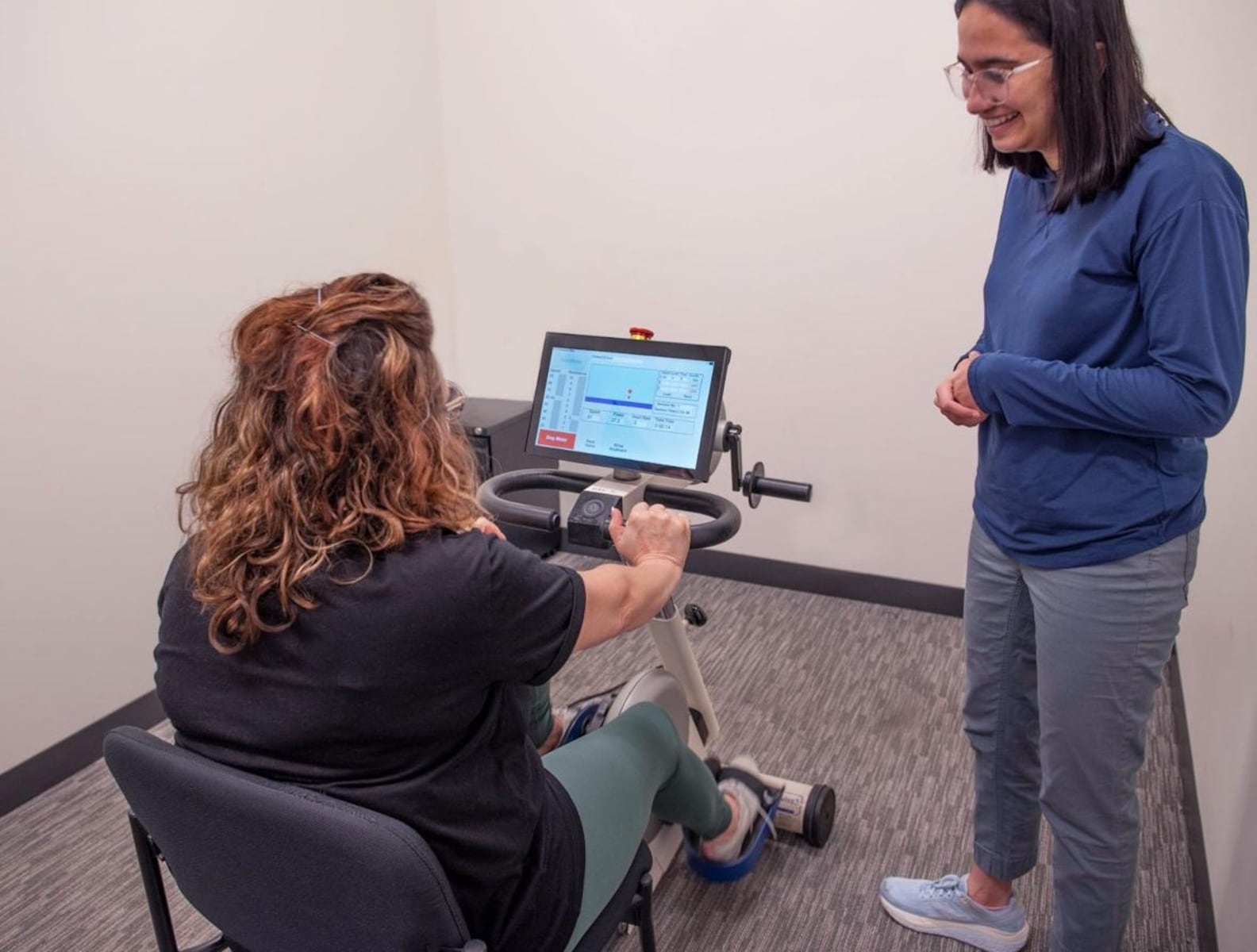
Over four weeks, approximately 50 participants engaged in 12 cycling sessions at InMotion, a nonprofit clinic in Beachwood, Ohio. During these sessions, participants used stationary motorized bikes connected to a digital screen displaying a floating balloon. To keep the balloon aloft, riders needed to maintain a pedaling cadence of 80 revolutions per minute (rpm) during each 30-minute workout.
The motorized bikes were designed to adjust resistance based on the rider’s performance, providing a beneficial challenge to combat the symptoms of Parkinson’s disease. “As a rider’s performance improved, the smart bike increased resistance, requiring more effort to keep the balloon from falling,” Dr. Shaikh explained. This gamified approach not only motivated patients to exercise but also addressed the apathy commonly associated with the condition.
Throughout the study, brain signals from the participants’ implanted devices were recorded before and after each session. While immediate changes in brain activity were not observable, researchers noted significant alterations in the brain signals related to motor control and movement after completing the 12 sessions. “We learned that if you keep doing the exercise over and over, it actually improves the way your brain is wired,” Dr. Shaikh stated.
Notably, changes were most pronounced in the cerebellum and subthalamus—two areas of the brain involved in muscle coordination and movement regulation. “Our goal was to understand the immediate and long-term effects of the exercise in that region of the brain where the electrodes are implanted, which is also the same area where Parkinson’s pathology is evident,” he added.
The findings of this study not only support the notion that exercise can enhance brain health but also highlight the importance of staying active. Dr. Shaikh urged, “You should not be sitting on a couch watching TV all the time. You should be doing something, thinking something, keeping your brain active. These are all very important things for brain health.”
Looking ahead, researchers from University Hospitals and the VA Northeast Ohio Healthcare System plan to investigate how different types of electrical stimulation can further enhance the brain’s adaptability. This next phase of research is set to include a larger cohort of patients, some of whom participated in the cycling study.