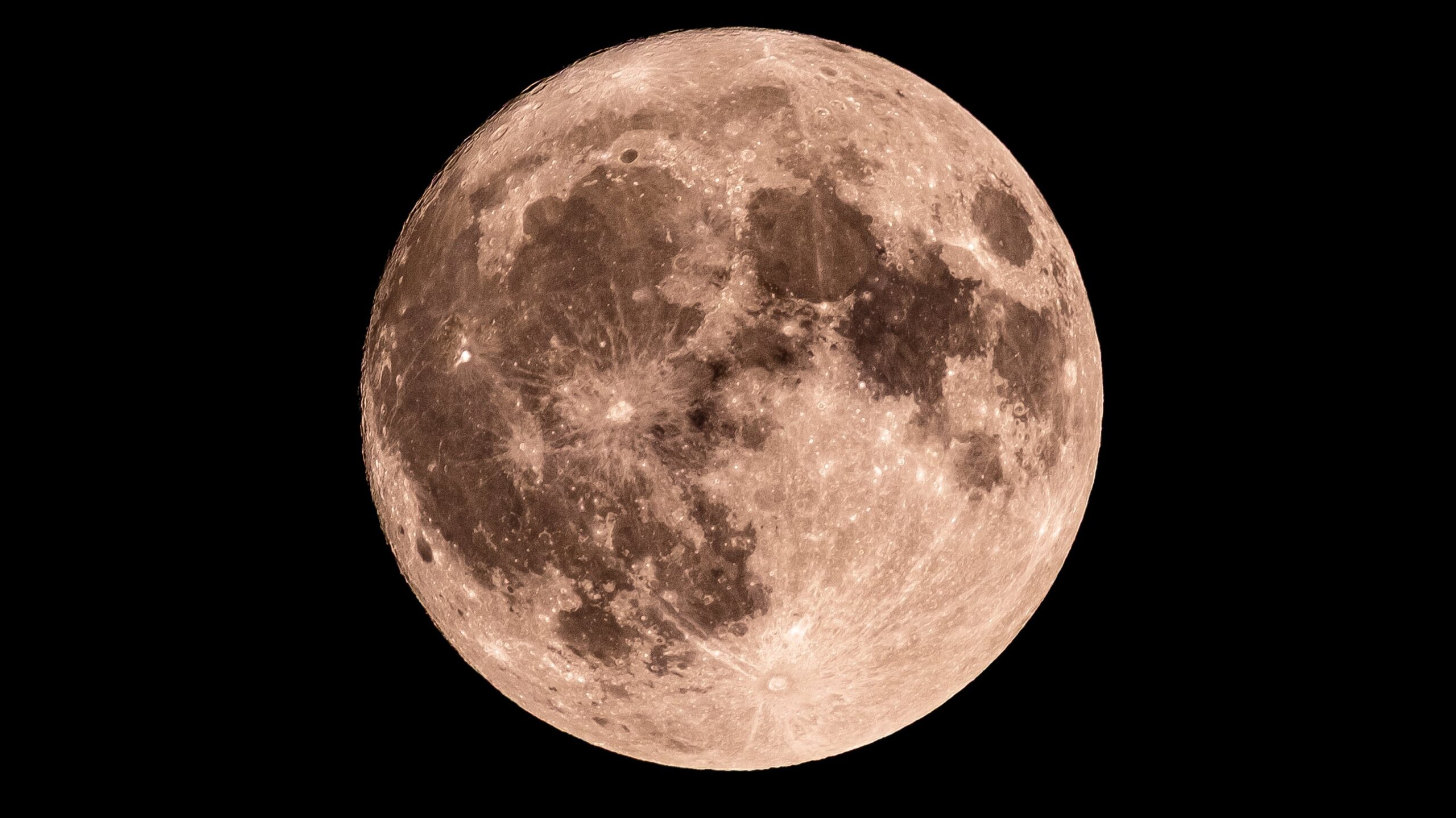
Tonight, the night sky will host a stunning celestial event: the Full Moon, known as the Wolf Moon, will shine brightly on January 3, 2024. This marks the fourth consecutive supermoon, where the Moon appears larger and brighter than usual due to its proximity to Earth. According to The Sky Live, the Moon will be fully illuminated, with 100% of its surface reflecting sunlight.
The Wolf Moon, traditionally named for the howling wolves heard during winter months, is a captivating sight for stargazers and casual observers alike. Those interested in astronomy or simply looking to enjoy a night under the stars will find this event particularly enchanting, given its rarity.
Understanding Moon Phases and Their Significance
The lunar cycle, as explained by NASA, lasts approximately 29.5 days. During this time, the Moon transitions through various phases as it orbits Earth. These phases are a result of the changing angle of sunlight illuminating the Moon’s surface. The cycle begins with the New Moon, where the Moon is positioned between Earth and the Sun, rendering it invisible. As the days progress, the Moon moves through several distinct phases.
The main phases include the Waxing Crescent, First Quarter, Waxing Gibbous, Full Moon, Waning Gibbous, Third Quarter, and Waning Crescent. Each phase showcases a different portion of the Moon illuminated, creating a beautiful visual spectacle in the night sky.
Tonight’s Full Moon will present a rare opportunity for observers to see the Moon in its entirety, fully lit and impressive against the backdrop of the night. The next opportunity to witness a full moon will be on February 1, 2024, so this is an event not to be missed.
Enjoying the Night Sky
For those observing from various locations, the Wolf Moon offers a perfect occasion to gather with family and friends, take photographs, or simply enjoy the beauty of nature. Whether you are an avid astronomer or a casual admirer, the Full Moon serves as a reminder of the wonders of our universe.
As the Moon rises tonight, it invites everyone to pause and appreciate the vastness of the cosmos. With clear skies, the sight of the Wolf Moon can inspire awe and curiosity about the lunar cycle and our place in the universe.