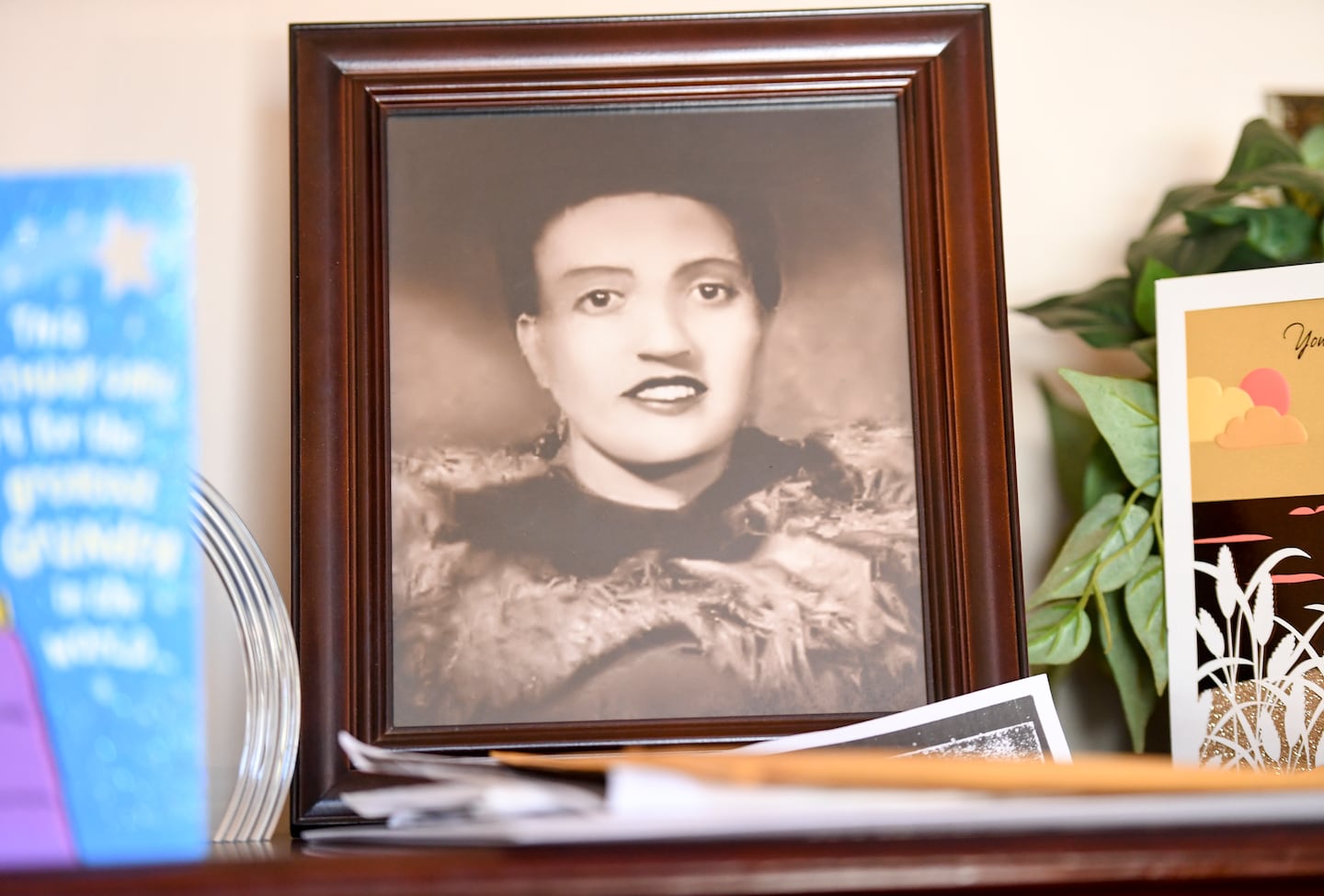
Seventy-five years ago, Henrietta Lacks unknowingly became a crucial part of medical history when doctors at Johns Hopkins Hospital harvested her cells without her consent. Lacks, an African American woman suffering from cervical cancer, contributed to the development of the HeLa cells, which have since transformed medical research and led to significant advancements, including the polio and HPV vaccines, as well as treatments for HIV/AIDS, leukemia, and influenza.
Lacks passed away in 1951, but the legacy of her “immortal” cells continues to shape contemporary research practices. As scientists reflect on the profound impact of HeLa cells, they acknowledge the ethical questions surrounding their origin. “To the modern researcher, the fact that cells were taken and established into an immortalized, forever-growing cell line from a patient that didn’t know that happened is astounding,” said Cigall Kadoch, an associate professor of pediatric oncology at the Dana-Farber Cancer Institute and Harvard Medical School.
The publication of Rebecca Skloot‘s book, “The Immortal Life of Henrietta Lacks,” in 2010 brought her story to a global audience. Recently, Lacks’s family filed a lawsuit against Thermo Fisher Scientific, alleging that the company profited billions from a system that exploited her contributions. They reached a confidential settlement in 2023, followed by another agreement with the Swiss pharmaceutical company Novartis earlier this month.
Born in Roanoke, Virginia, in 1920, Lacks worked on a tobacco farm before marrying David “Day” Lacks in 1941. She first visited Johns Hopkins on February 1, 1951, complaining of a “knot” in her cervix. At that time, the hospital was one of the few facilities offering medical care to Black patients. After a biopsy, Lacks was diagnosed with cervical cancer but chose not to inform her family about her condition initially.
During treatment, doctors collected samples from her tumor and healthy tissue for Dr. George Gey, who successfully cultured the cells in his laboratory. Lacks’s cancerous cells were labeled “HeLa,” a combination of the first two letters of her first and last names. These cells were revolutionary; unlike previous human cells that died quickly in laboratories, HeLa cells thrived and multiplied rapidly, allowing Gey to share them widely with other researchers.
The significance of HeLa cells cannot be overstated. Dr. Sabrina Assoumou, an infectious disease physician at Boston Medical Center, credits much of her work on HIV to the foundational research conducted with HeLa cells. Currently, Assoumou is involved in disseminating a long-acting HIV medication approved by the FDA, aiming to provide marginalized communities with easier access to treatment. “HeLa cells have been really critical for many scientific discoveries, but especially for HIV in terms of understanding how infection actually works,” she explained.
In the early days of the HIV/AIDS epidemic, researchers found that HeLa cells did not become infected with the virus in the same way as immune cells. This discovery allowed scientists to manipulate the cells’ DNA to study how HIV infects various cell types. Assoumou noted, “Understanding the mechanism helped us develop drugs that enable me to help my patients live longer and happier lives.”
Kadoch’s lab at Dana-Farber works directly with the HeLa cell line, utilizing advancements in gene sequencing to explore the genetic factors behind various cancers. “There’s power in numbers … cancer is not one disease but a very diverse collection of many different diseases,” she stated.
Despite their impact, establishing cell lines for all types of cancer remains a challenge. Kadoch remarked that HeLa cells can change when cultured in different laboratory environments, leading to variations across labs. “We often say no two HeLa cell lines from two different labs are the same,” she added.
The story of Henrietta Lacks has also ignited a broader conversation about ethical standards in medical research, particularly concerning informed consent. Assoumou played a key role in creating a course at Boston Medical Center to educate medical interpreters on the importance of patient-centered care in clinical trials. This course addresses historical medical mistrust, including cases like Lacks’s and the Tuskegee syphilis study, where Black patients were denied treatment for research purposes.
“We’ve learned and developed procedures and practices to help us be better researchers,” Assoumou commented. “Today, I’m a better researcher because of what happened [to Lacks].” Kadoch emphasized that informed consent is critical for ensuring diversity among research participants, which is essential for understanding the varied impacts of cancer.
As researchers continue to utilize HeLa cells, Kadoch urges her colleagues to recognize the origins of their work. “Know what you work with, and where it came from,” she advised. The enduring legacy of Henrietta Lacks highlights not only the scientific advancements made possible by her cells but also the ethical responsibilities researchers must uphold in the pursuit of knowledge.