Training advanced artificial intelligence (AI) models demands enormous energy, often exceeding the annual electricity usage of 120 U.S. homes. As the global reliance on AI escalates, projections reveal that data center energy consumption may double by 2030. This surge presents a critical challenge: powering a burgeoning technological revolution with an outdated energy grid. Lado Okhotnikov, founder of the holistic biotech platform Holiverse, emphasizes the urgency of this issue. He states, “The problem is becoming especially urgent now, as AI is advancing rapidly and its energy demands are growing just as fast.”
For Okhotnikov, the intersection of human biology and technology presents a systemic challenge. He articulates the need for sustainable energy solutions, highlighting that sourcing energy without compromising lives or industries is crucial. Currently, many turn to renewable sources, which Okhotnikov acknowledges as a significant step forward. “Renewable energy collected on Earth is no longer a fantasy,” he notes, as numerous countries actively transition to these sources. Wind, solar, and geothermal energy are vital, yet they face limitations, including geographical constraints and the inherent unpredictability of weather patterns.
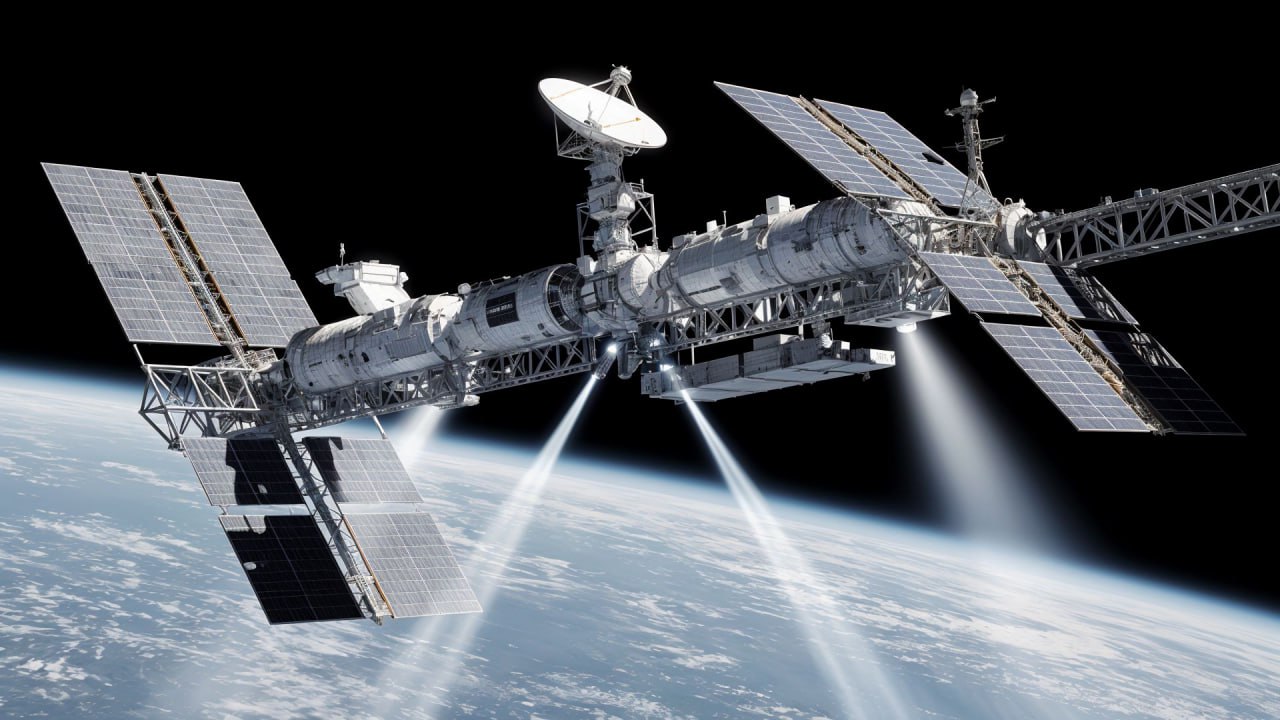
This reality raises an important question: what lies beyond terrestrial energy sources? For visionaries like Okhotnikov, the answer is clear: the future may reside in space. He points out, “Very soon, we will have to look to space—because the future, without question, belongs there.” This shift in perspective leads to the concept of Space-Based Solar Power (SBSP). In this framework, extensive solar arrays positioned in geostationary orbit could harness sunlight uninterrupted, converting it into energy that is wirelessly transmitted to Earth via safe, low-intensity microwaves or lasers.
The potential of such systems is significant. According to a 2025 analysis conducted for the European energy grid, SBSP could provide a stable energy backbone that intermittent renewable sources cannot match. Okhotnikov highlights the vast energy available in space, stating, “The solar power we can collect here on Earth is only a tiny fraction of what is available in space.” He sees this as a tremendous opportunity for innovation and development, aligning with the mission of Holiverse.
As part of its commitment to a sustainable future, Holiverse is exploring designs and partnerships that integrate advanced AI infrastructure with space-generated energy. The path toward implementing solar power in space is fraught with challenges, including international governance, construction in orbit, and the costs associated with launching technology into space. Nevertheless, technological advancements in materials science and reusable rockets are paving the way for solutions to these challenges.
Okhotnikov asserts that Holiverse is at the forefront of this transition. “We are developing technologies capable of powering the next era of AI,” he states. This initiative brings together leading experts in the field, aiming to take tangible steps toward realizing the potential of SBSP.
The implications of harnessing space-based energy for AI are profound. By eliminating terrestrial energy constraints, researchers could pursue ambitious projects in material science, personalized medicine, and climate forecasting without the limitations imposed by current energy budgets. In this future, the energy allocated to AI may play a larger role in shaping its capabilities than the code and algorithms themselves.
As pioneers like Okhotnikov and other specialists focus on this transformative vision, it becomes evident that to truly advance intelligence, humanity must not only look to the stars but also harness their energy. Utilizing the sun’s limitless power could serve as the key to unlocking the next major advancements in artificial intelligence and beyond.