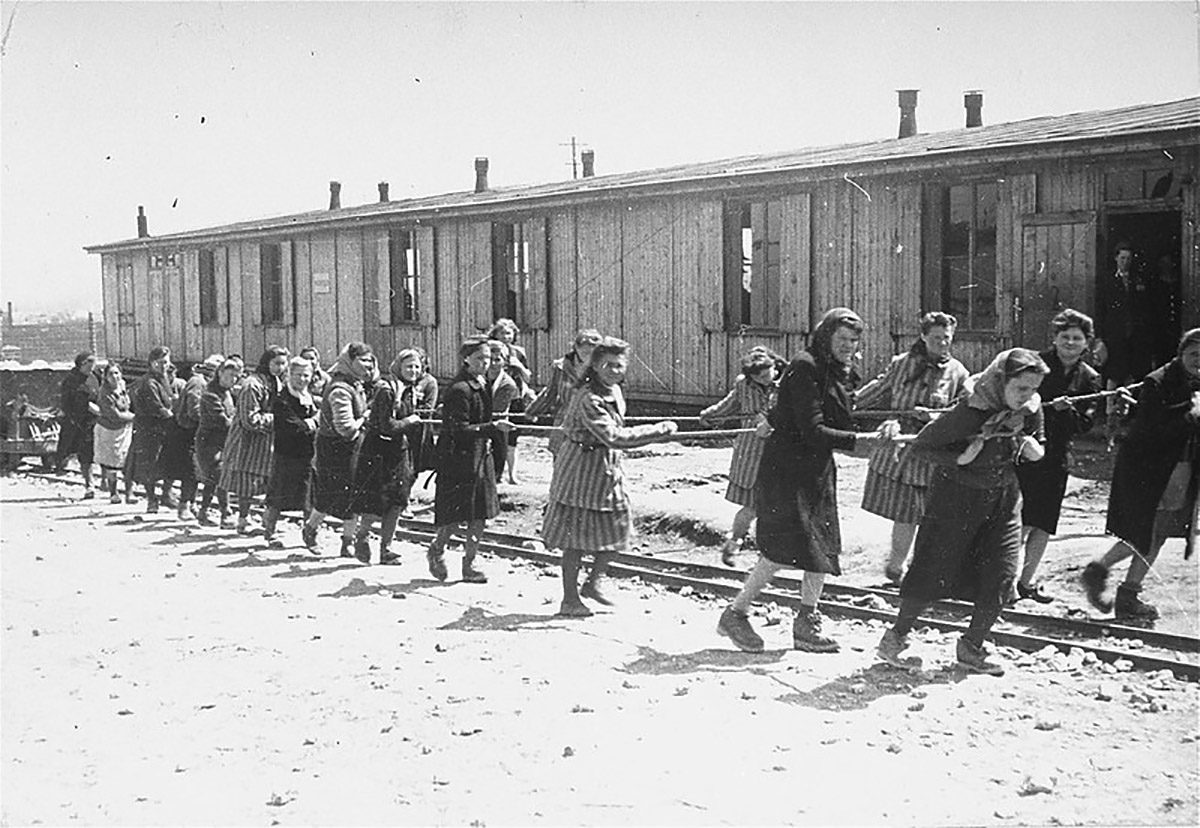
The U.S. Holocaust Memorial Museum has partnered with Johns Hopkins University Press to create the world’s first searchable digital database of Nazi camps and ghettos. This new initiative, which includes approximately 10,000 locations, is designed to enhance public understanding of the Holocaust and is accessible through Project MUSE, a digital platform for scholarly resources.
Comprehensive Resource for Historians and the Public
By the time 50 years had passed since the conclusion of World War II, scholars had made significant strides in understanding the major concentrations of Nazi persecution. This included infamous camps such as Auschwitz, Dachau, and Buchenwald. However, ongoing research has revealed that the network of terror was far larger and more intricate than initially believed. Reports from Europe and North Africa have documented a multitude of smaller sites where persecution and murder occurred.
The U.S. Holocaust Memorial Museum has been compiling a record of these locations since 1999. The newly launched Encyclopedia of Camps and Ghettos, 1933-1945, now offers a comprehensive repository of information, detailing around 3,500 sites with plans to expand to another 2,500 sites by 2026. Users can navigate an interactive map that links each location to an extensive database of information.
According to Alexandra Lohse, head of the applied research scholar team at the museum’s Mandel Center for Advanced Holocaust Studies, the project involved the contributions of over 700 researchers from various countries over a span of two and a half decades. Lohse described the endeavor as daunting, given the fragmented sources and the extensive research languages required. Yet, the commitment to this meticulous examination has culminated in a resource that is both comprehensive and authoritative.
Impact on Public Awareness and Historical Understanding
The Holocaust resulted in the murder of approximately 6 million Jews, alongside millions of others who were targeted for persecution, including Soviet prisoners of war, Romani individuals, LGBTQ persons, and people with disabilities. This brings the total number of victims to at least 11 million.
Previously, the museum published a four-volume set of printed books and an e-book, but these formats limited public engagement. Recognizing this, the museum sought a partnership with Project MUSE, which provides access to over 800 peer-reviewed journals and 6,000 open-access books. The partnership has enabled the Encyclopedia to be free for all users, eliminating barriers to access and significantly increasing interest.
In the first five months of its launch, the searchable encyclopedia received over 700,000 requests, a stark contrast to the 80,000 requests generated by the previous PDF format. This surge in engagement reflects both the importance of the resource and a growing public interest in Holocaust education.
Amid rising incidents of antisemitism and historical denial, the timely introduction of this resource aims to counter misinformation. Laura Foster, the museum’s director of academic publishing, noted the significance of making primary materials accessible in light of current trends in denial and misunderstanding of Holocaust history.
Research indicates that more than 30% of Americans and 41% of American millennials believe that fewer than 2 million Jews died during the Holocaust, according to a study by the Conference on Jewish Material Claims Against Germany. This highlights a troubling gap in historical knowledge, as many cannot name even a single concentration camp.
Survivors, such as Martha Weiman, expressed concern over the fading memory of the Holocaust. Weiman, a longtime leader in the local Jewish community, emphasized the need for continued education and remembrance as time progresses. She questioned the effectiveness of current educational approaches in conveying the magnitude of these historical events.
Foster remarked that the encyclopedia serves as a crucial tool for historians, educators, and the general public in understanding the Holocaust’s scale and scope. She noted that while evidence of the genocide may not sway committed antisemites, providing access to thorough research is vital in combatting these disturbing trends.
This collaboration between the U.S. Holocaust Memorial Museum and Johns Hopkins University Press signifies a commitment to preserving history and fostering understanding, ensuring that the lessons of the Holocaust are not forgotten.