NASA is on track to launch its first crewed mission to the moon in over 50 years, with the highly anticipated Artemis II mission slated to lift off as early as February 6, 2026. This mission aims to send a team of four astronauts — Reid Wiseman, Victor Glover, and Christina Koch from NASA, along with Jeremy Hansen from the Canadian Space Agency — on a journey around the moon. This marks a significant milestone in NASA’s long-standing ambition to return American astronauts to lunar exploration.
The Artemis program, which was announced in 2017, seeks not only to land astronauts on the moon but also to establish a sustainable human presence there. The Artemis II mission will test new technologies and systems critical to future lunar and deep space missions. It is designed to verify the capabilities of the Orion spacecraft, which will not land on the moon, but will perform a slingshot maneuver around it, providing a unique opportunity to gather data about lunar conditions.
Challenges and Innovations in Space Exploration
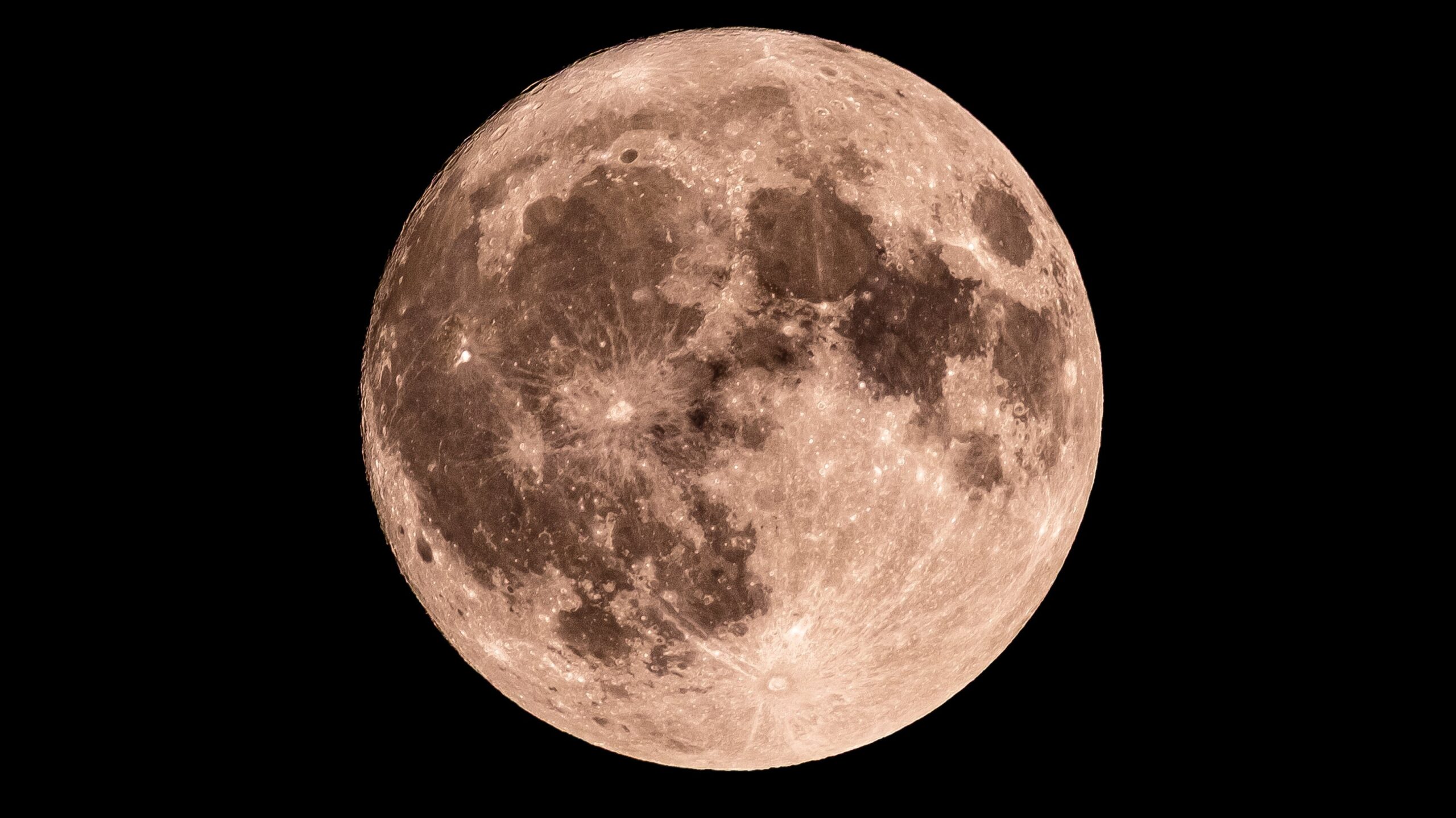
Returning to deep space after more than five decades presents numerous challenges. Artemis II will operate on a flight path that is distinct from the Apollo missions, designed to accommodate Orion’s unique specifications. The spacecraft will make a large loop around the moon rather than entering a low lunar orbit, allowing the crew to view areas of the moon that have never been seen by humans before. Koch expressed excitement about this, stating, “We could see parts of the moon that never have had human eyes laid upon them before.”
NASA’s approach incorporates lessons learned from the Apollo missions, but the objectives of Artemis are significantly more complex. The mission will include a period of isolation during which communication with Earth will be lost. Glover noted that during the 45 minutes closest to the lunar surface, the team will experience a “loss of signal,” and he hopes for support from people around the world during this critical moment.
The Artemis II mission will also unfold against a backdrop of geopolitical dynamics, particularly as lawmakers emphasize the importance of lunar exploration in response to advances in space programs from other nations, notably China.
Preparing for New Discoveries
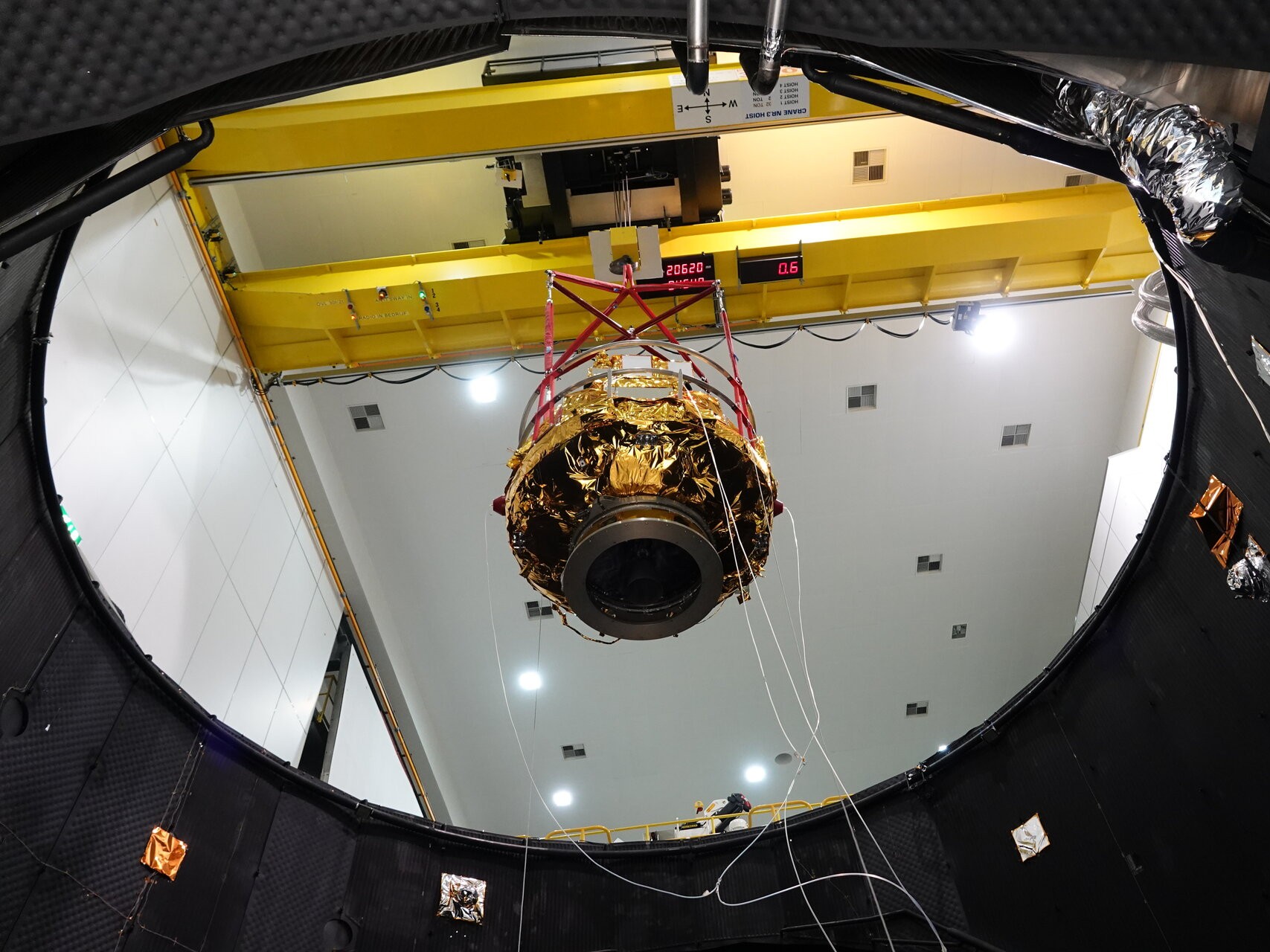
The Orion spacecraft will launch atop NASA’s Space Launch System (SLS) rocket from the Kennedy Space Center in Florida. Upon reaching the correct trajectory, Orion will separate from the rocket and begin its journey through space, covering approximately 238,900 miles (about 385,400 kilometers) to the moon. Astronauts will face increased radiation levels beyond what is experienced aboard the International Space Station, raising questions about the long-term effects of such an environment on human health.
According to Jacob Bleacher, NASA’s chief exploration scientist, understanding the human body’s response to space conditions is crucial. “We will be collecting some of the baseline data here on how humans operate when they get away from the Earth,” he stated. This data will be essential for future missions, including potential journeys to Mars.
The Artemis II mission is also distinguished by its innovative technology. The Orion spacecraft features a heat shield designed to protect it during re-entry into Earth’s atmosphere. Previous tests have raised concerns about the shield’s durability, but NASA’s acting deputy associate administrator for the Exploration Systems Development Mission Directorate, Lakiesha Hawkins, expressed confidence in the improvements made since the Artemis I test flight.
As the countdown to launch continues, the Artemis II astronauts are preparing for a journey that will include scientific experiments and evaluations of their physical responses in a deep-space environment. The mission is designed not only as a test of technology but also as a significant step toward establishing a sustainable human presence on the moon, laying the groundwork for future exploration beyond Earth’s orbit.
With the Artemis II mission, NASA aims to reignite interest in lunar exploration and demonstrate the capabilities required for future missions that could see astronauts landing on the moon’s south pole. The success of this mission will be pivotal in shaping humanity’s next giant leap into the cosmos, reinforcing the notion that exploring space is a shared endeavor that calls for international cooperation and collaboration.