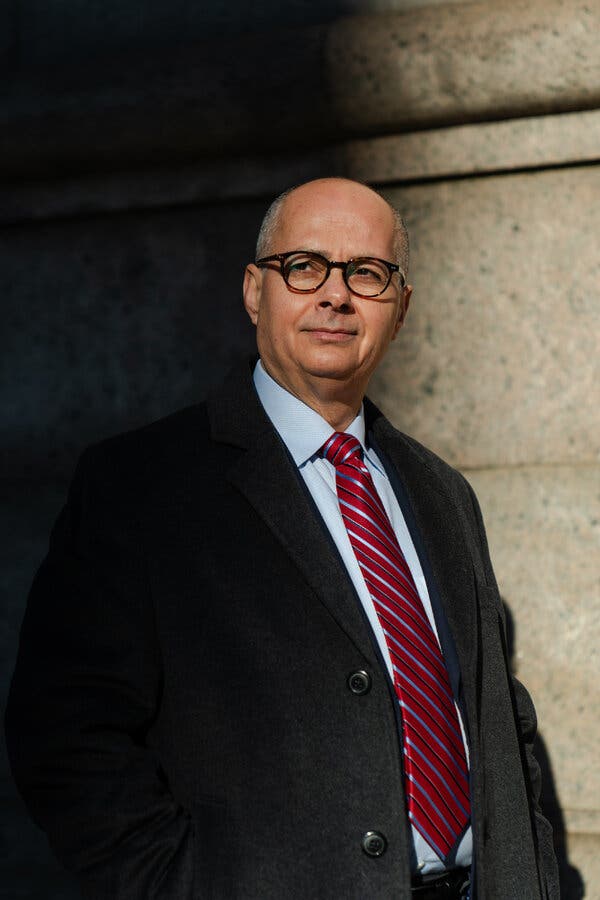
Dr. Omar Yaghi, a distinguished professor at the University of California, Berkeley, is set to receive the Nobel Prize in Chemistry on December 6, 2023, in a ceremony held in Stockholm. Yaghi’s journey from a modest upbringing in Jordan, where he grew up in a one-room home with eight siblings, highlights the significant contributions of immigrants to the scientific community in the United States.
Dr. Yaghi’s story is emblematic of a broader trend. Among the six American laureates of science Nobel Prizes this year, three were born outside the United States. This pattern has been consistent, with the proportion of foreign-born Nobel winners in physics, chemistry, and medicine reaching 40 percent in the 21st century. Such achievements have underscored the role of immigrants in bolstering the nation’s scientific prowess, which has been integral to the growth of the U.S. economy, particularly in regions like Silicon Valley.
As the U.S. celebrates these scientific triumphs, some experts express concern about the implications of recent immigration policies under the Trump administration. The administration’s focus on an “America First” approach has raised alarms among economists and academics, who warn that these policies could diminish the flow of legal immigrants, foreign students, and visiting researchers into the country. Dr. Yaghi himself articulated these fears prior to his flight to Stockholm, stating that the current policies jeopardize the U.S. ecosystem of scientific excellence.
Economists argue that the long history of scientific achievements in the United States has contributed greatly to the establishment of numerous trillion-dollar companies and a dynamic economy that provides extensive social benefits. They caution that if the immigration pipeline continues to shrink, it may lead to a decline in innovation and prosperity, potentially reversing decades of progress.
As Dr. Yaghi prepares to accept his Nobel Prize, his personal narrative serves as a reminder of the vital role that immigrants play in American scientific achievements. The ongoing debate over immigration policy is not merely a political issue; it has significant implications for the future of scientific research and technological advancement in the United States.
In conclusion, the world will watch as Dr. Yaghi is honored for his remarkable contributions to chemistry. Yet, his success story also brings to light the critical challenges facing the scientific community amid changing immigration policies. The hope is that these discussions will foster a renewed understanding of the importance of inclusivity in science and innovation.