Presidential libraries serve as vital institutions that document the legacies of former leaders while also functioning as significant financial undertakings. The United States currently has four living former presidents, each with unique public personas influencing their post-presidency activities. Among them, George W. Bush stands out for his low-profile approach, contrasting sharply with the more public engagements of Bill Clinton and Barack Obama.
Bush’s post-presidential life, characterized by a deliberate retreat from the limelight, has drawn interest, particularly as he engages primarily in official events. Notably, his interactions with Michelle Obama showcase a warm rapport that belies his otherwise reserved demeanor. This enigmatic presence is underscored by the significant role of presidential libraries in shaping and preserving a leader’s legacy.
The Financial Landscape of Presidential Libraries
Presidential libraries are not merely repositories of historical documents; they represent substantial financial commitments. According to the National Taxpayer’s Union Foundation, the cost of maintaining the expansive network of facilities dedicated to former presidents has soared to over $100 million annually. This highlights the libraries’ dual role as charitable organizations and costly operations.
Shilo Brooks, the newly appointed CEO of the George W. Bush Presidential Center, emphasizes the importance of these institutions in portraying a president’s historical narrative. Located on a 23-acre site at Southern Methodist University, the center aims to transcend mere commemoration. Brooks indicates that the total fundraising for the center approached $1 billion, covering construction, endowment drives, and ongoing contributions.
Despite the considerable financial backing, Brooks notes the ongoing need for support. “We still need to raise $14 million each year for our annual budget,” he stated. “Our endowment helps a great deal, but it doesn’t cover everything. We still need people to give.” This reliance on donations underscores the financial fragility that many presidential libraries face.
Exhibits and Initiatives Reflecting Presidential Impact
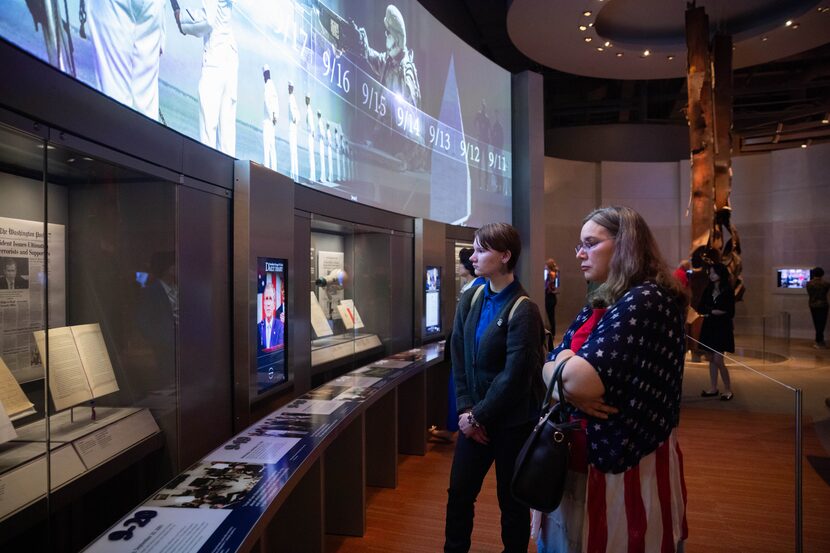
The George W. Bush Presidential Center seeks to mirror the complexities of his presidency through various interactive exhibits. Key displays address pivotal moments, including the September 11 attacks and Hurricane Katrina, showcasing both the challenges and successes of his administration.
One of Bush’s most significant contributions, the PEPFAR initiative, aimed at combating the AIDS epidemic in Africa, stands out as a defining aspect of his legacy. Launched with an initial budget of $15 billion over five years, PEPFAR has since allocated over $125 billion to international health efforts, earning praise across the political spectrum.
In a surprising turn, Bush has also gained recognition as a talented painter. “Nobody would have thought that he would have become a painter,” Brooks remarked. “But he did. And he’s a darn good one.” This artistic pursuit could further enhance Bush’s legacy in the years to come, providing a more personal insight into his life beyond the presidency.
In summary, presidential libraries are multifaceted institutions that combine elements of history, philanthropy, and public engagement. As the George W. Bush Presidential Center continues to evolve, its ability to attract funding and engage the public will play a crucial role in shaping the narrative of the 43rd president’s legacy.