A recent study conducted by a team at Kasetsart University has unveiled the intricate processes behind the fermentation of ‘Nam Hom’ coconut cider, a beverage derived from the sweet coconut water of the Cocos nucifera L. species. Published in the journal Beverage Plant Research on March 17, 2025, the research highlights how yeast selection significantly influences the aroma, flavor, and bioactive compounds in coconut cider.
Coconut water is known for its naturally sweet flavor and rich nutritional profile, including sugars, minerals, and organic acids. However, its short shelf life poses a challenge for commercial use. The fermentation process transforms coconut water into cider, extending its usability while delivering a low-alcohol beverage with appealing sensory qualities. Yeast plays a crucial role in this process, similar to its function in wine and apple cider production, as it drives sugar metabolism and alcohol production.
The study utilized a comprehensive approach, combining physicochemical monitoring with large-scale metabolomics and flavoromics data to track the fermentation of ‘Nam Hom’ coconut cider. The researchers inoculated the cider with two commercial yeast strains, K1-V1116 and EC-1118, to evaluate how these variations affected the final product.
Key Findings on Fermentation Dynamics
Through multivariate statistical analysis, the study identified three distinct stages of fermentation: pre-fermentation, in-process, and final product. This classification was supported by principal component analysis, which explained 83.76% of the total variance. In total, the team detected 152 metabolite peaks and 16 volatile flavor compounds.
During the fermentation process, both yeast strains exhibited similar basic kinetics. Measurements showed a steady decline in Brix and reducing sugars, a slight decrease in pH indicating increased acidity, and a rise in alcohol content to approximately 7–8%, which falls within the typical range for cider. Notably, there was no evidence of lactic acid bacterial contamination, suggesting a clean fermentation process.
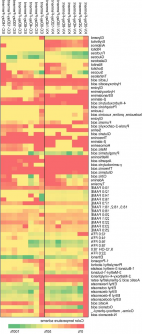
As fermentation progressed, the researchers observed significant changes in the composition of sugars and amino acids. Initial samples were characterized by high sugar levels, while mid-fermentation samples revealed the release of primary amino compounds. The final product was marked by fruity volatiles, particularly esters such as ethyl octanoate and ethyl 9-decanoate.
Implications for Coconut Cider Production
The findings provide valuable insights for producers looking to enhance the flavor profiles of coconut cider. The study revealed that both yeast strains have their unique advantages. K1-V1116 was particularly effective in enhancing aroma and ester production, while EC-1118 supported a cleaner fermentation with a more prominent fruity character.
By selecting specific yeast strains and controlling fermentation time, producers can tailor the cider’s flavor—from dry and clean to fruity and aromatic—while retaining beneficial bioactive compounds. The research presents a roadmap for the coconut beverage industry, offering practical guidance for creating high-quality products that meet consumer preferences.
In conclusion, this study not only advances the understanding of coconut cider fermentation but also opens new avenues for value-added coconut beverages. As demand for innovative health-conscious drinks continues to rise, the insights from this research could play a pivotal role in shaping the future of coconut-based products.