Recent advancements in technology have led researchers at Stanford University to develop a new class of computing systems known as biocomputers. These innovative devices utilize human brain cells, specifically lab-grown neurons, to carry out computational tasks, marking a significant milestone in the intersection of biology and technology.
Biocomputers operate by harnessing biologically derived materials, including DNA, proteins, and living tissues. The primary advantage of this approach is that it allows for processing capabilities that are more adaptive and efficient compared to traditional silicon-based computers. By mimicking the brain’s natural processes, these systems can potentially perform complex computations that could revolutionize various fields, including artificial intelligence and data processing.
Exploring the Mechanism of Biocomputers
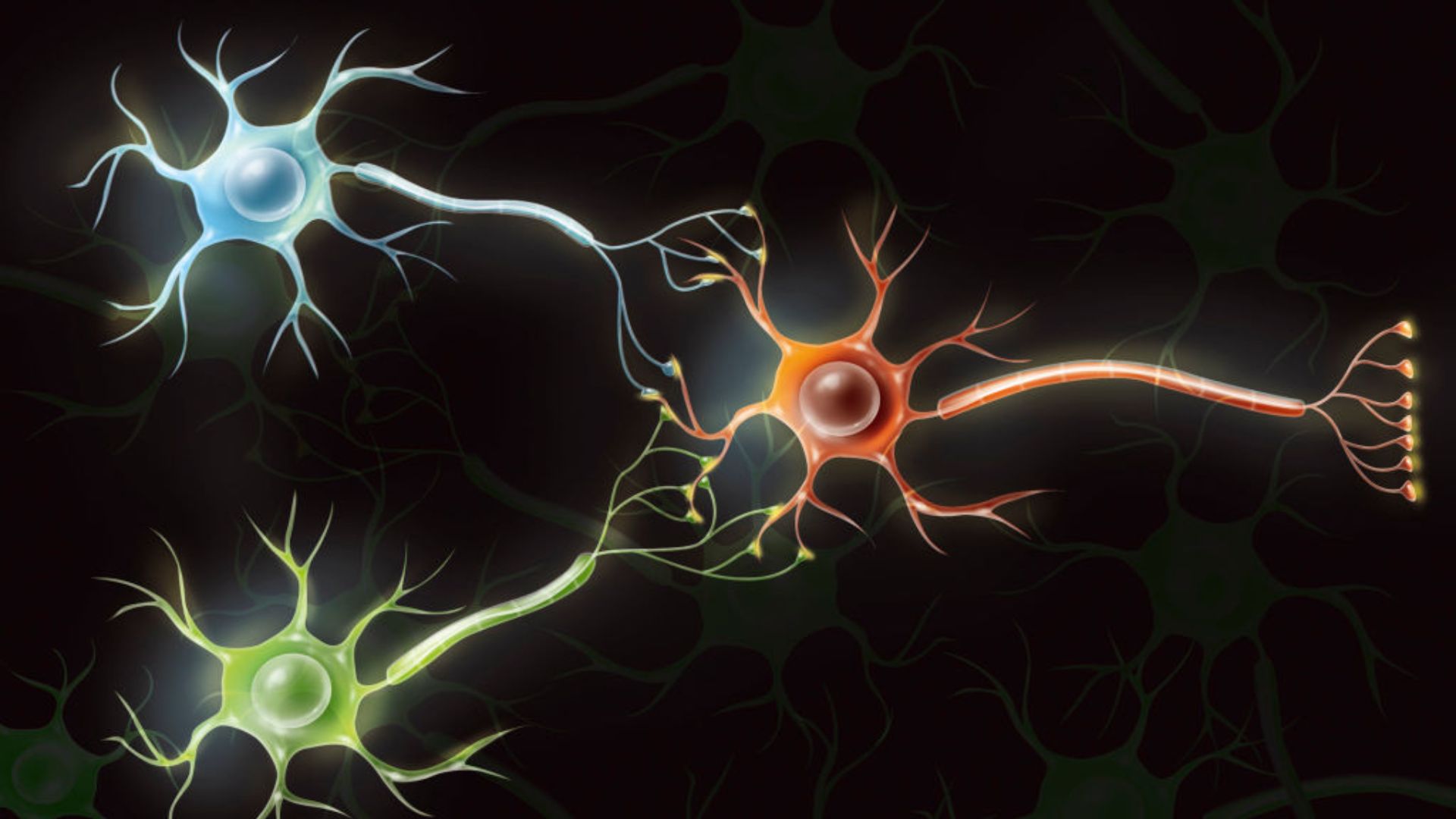
The core functionality of a biocomputer relies on the intricate networks formed by neurons. Researchers have discovered that when these neurons are cultured in a lab environment, they exhibit the ability to communicate and process information similarly to how they function in a biological brain. This unique quality enables biocomputers to analyze data and respond to stimuli in real-time.
The implications of this technology are vast. For instance, biocomputers could lead to advancements in medical diagnostics and personalized medicine by integrating biological responses into computational models. They could also enhance our understanding of neurological diseases by providing insights into how brain cells operate under various conditions.
Future Prospects and Ethical Considerations
As promising as the development of biocomputers is, it does raise important ethical questions. The use of human brain cells in technology poses significant moral dilemmas, particularly regarding consent and the potential for misuse. Researchers emphasize the importance of establishing ethical guidelines as this field evolves.
Looking ahead, the potential applications of biocomputers are immense. From improving machine learning algorithms to creating more efficient neural networks, the possibilities seem endless. As researchers continue to explore this groundbreaking technology, the collaboration between biology and computing could pave the way for innovations that fundamentally alter our approach to technology and its role in society.
In conclusion, the work being done at Stanford University represents a key step towards integrating biological intelligence into computational systems. As scientists advance this field, the transformation of human brain cells into functional biocomputers may not only enhance computing capabilities but also reshape our understanding of the very nature of intelligence itself.