A supermassive black hole, humorously dubbed ‘Jetty McJetface’, has been actively ejecting the remnants of a shredded star for the past four years. Research conducted by a team of astrophysicists at the University of Oregon indicates that the black hole’s radio jet may continue to increase in intensity, potentially reaching its peak around 2027.
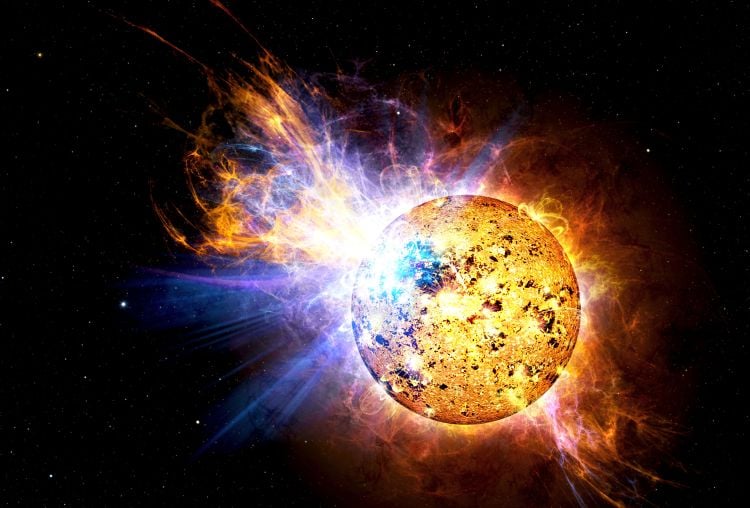
This cosmic phenomenon is a result of the black hole consuming a star that strayed too close, leading to a spectacular display of energy and matter. The ongoing research sheds light on the complex behavior of black holes and their interactions with surrounding material. The study highlights the black hole’s ability to produce powerful jets that can extend vast distances into space.
According to the research team, the ejected material has provided valuable insights into the mechanisms driving such cosmic events. The black hole’s activity is characterized by a series of bursts, each contributing to a broader understanding of how these massive entities influence their environments.
Understanding the Cosmic Event
The term “cosmic indigestion” aptly describes the black hole’s current state. As it devours stellar material, it creates a chaotic environment where remnants are expelled at incredible speeds. This phenomenon has been observed since 2019, with scientists documenting the evolution of the black hole’s jets and their impact on nearby cosmic structures.
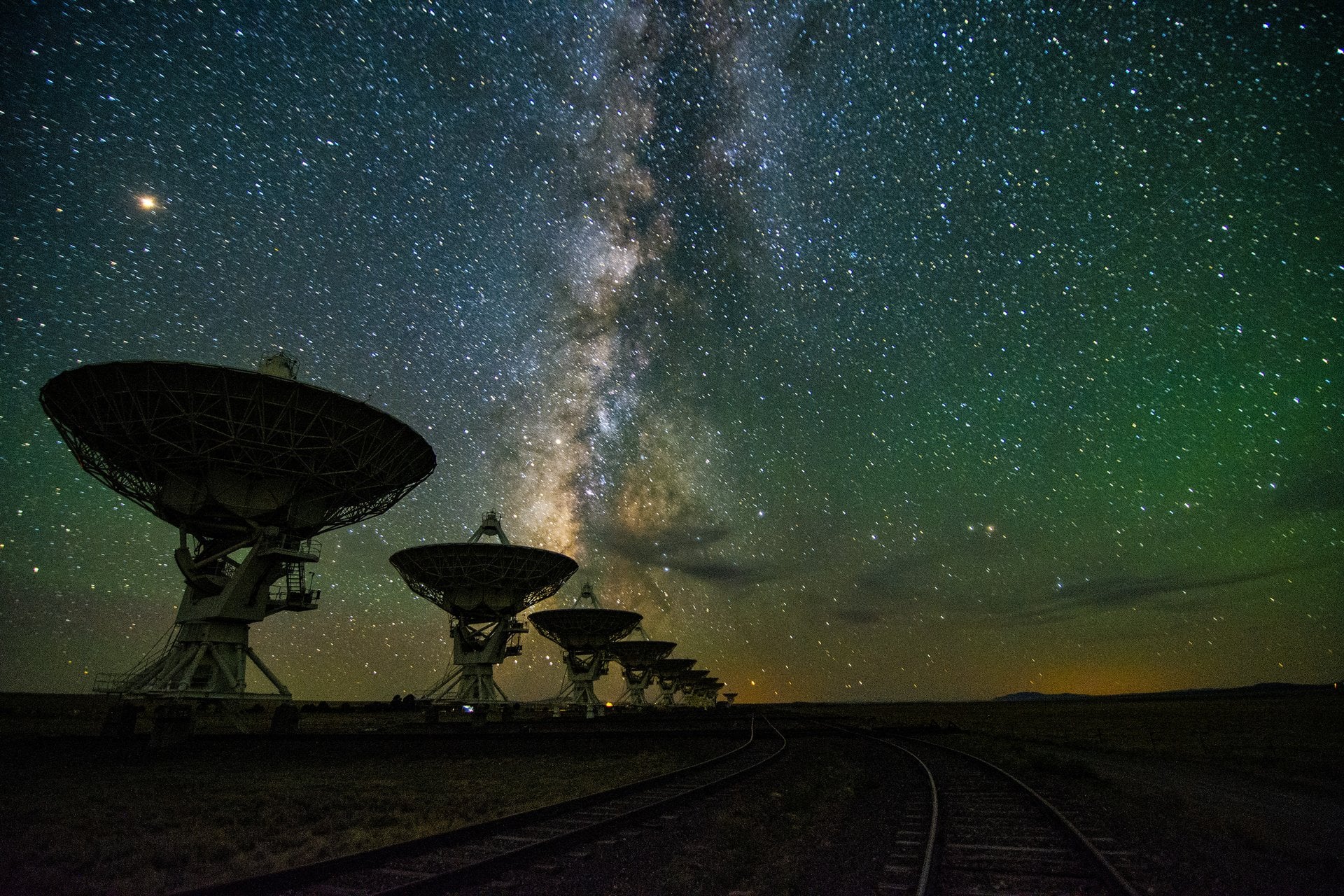
Researchers utilized advanced telescopic technology to monitor the black hole’s activity. The data collected over these years suggests that the black hole is not only continuing to eject stellar remnants but may also ramp up its activity as it approaches the predicted peak in 2027. This insight offers an exciting opportunity for astrophysicists to observe and study the dynamics of black holes in real-time.
The implications of this research extend beyond mere observation. Understanding the behavior of supermassive black holes can provide crucial clues about the formation and evolution of galaxies. As these jets interact with surrounding matter, they play a significant role in galaxy formation and development.
The Broader Implications for Astrophysics
The findings from the University of Oregon are essential for the broader astrophysical community. They contribute to a growing body of knowledge regarding the life cycles of stars and the powerful forces at work in the universe. By studying phenomena like ‘Jetty McJetface’, scientists hope to unlock the secrets of black holes and their influence on the cosmos.
As research continues, attention will be focused on the upcoming years, particularly as the black hole approaches its predicted peak activity. The cosmic spectacle promises to provide an unprecedented opportunity for observations that could further illuminate our understanding of the universe.
The study serves as a reminder of the dynamic nature of space and the ongoing quest for knowledge in the field of astrophysics. As scientists prepare for what may be a remarkable peak in the black hole’s activity, the excitement within the research community grows, driving further exploration into the mysteries of the cosmos.