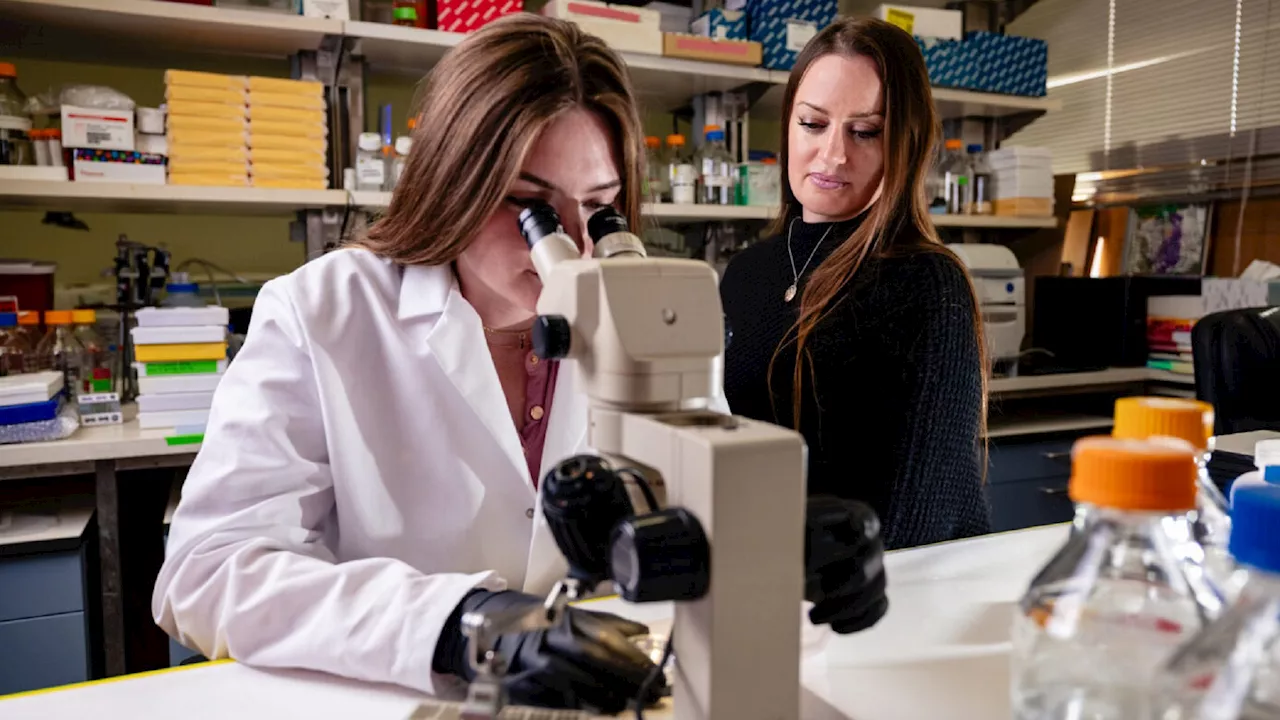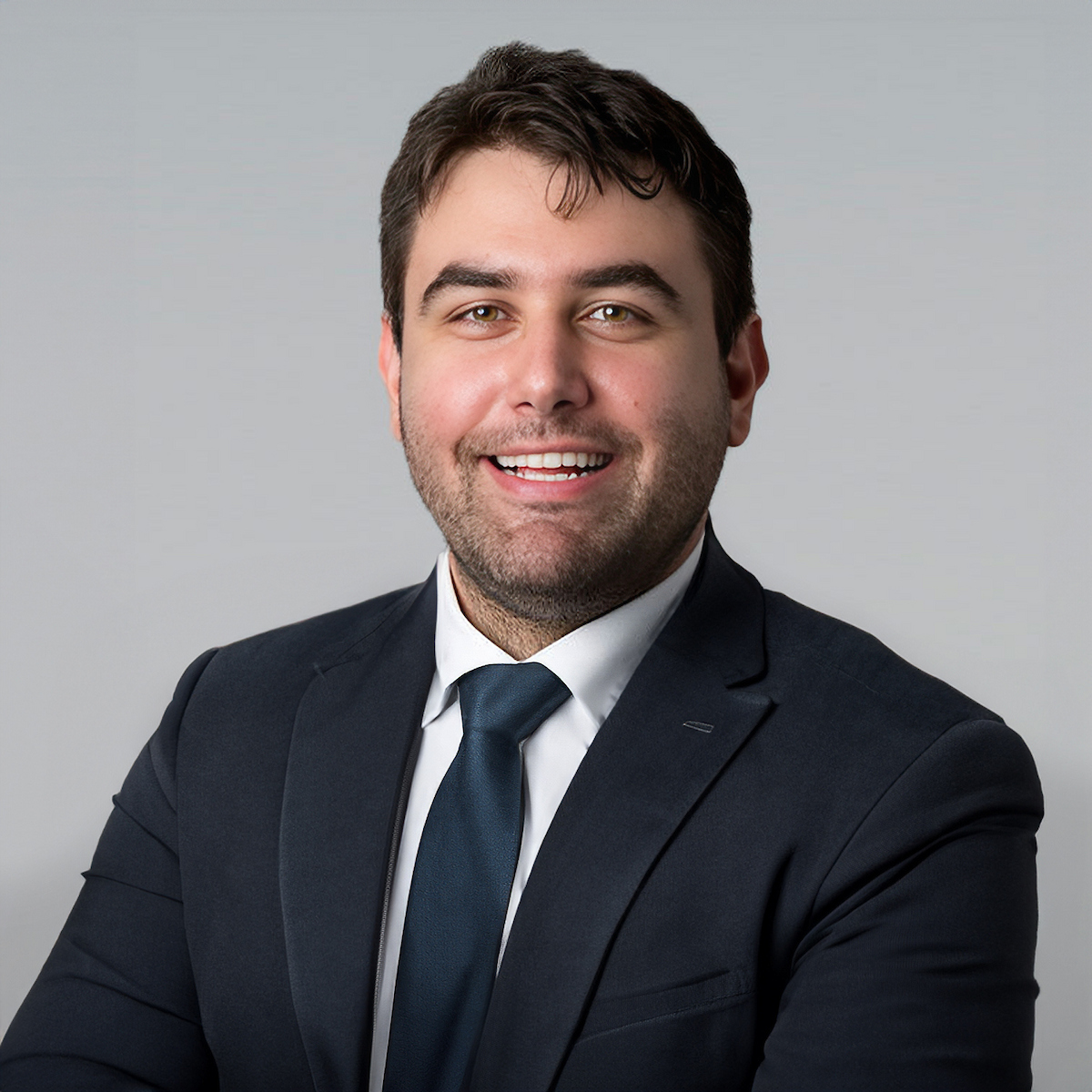
Ludmil Alexandrov, a professor at UC San Diego, has been appointed to lead an international team awarded $25 million to investigate cancer mutations. This funding comes from Cancer Grand Challenges, a collaborative initiative between Cancer Research UK and the U.S. National Cancer Institute. The initiative has committed over $400 million to support multidisciplinary research aimed at addressing significant challenges in cancer treatment and prevention.
Exploring the Roots of Cancer Mutations
Alexandrov is no stranger to this funding body. He was previously part of a team known as Team Mutographs, which explored the unique patterns of mutations induced by various cancer-causing agents. That project, which received its own $25 million grant in 2017, culminated in 38 research publications and the development of eight tools designed to record “mutational signals” within cells. This work was led by British cancer scientist Sir Michael Stratton.
In his new role, Alexandrov will head a team named CAUSE, aimed at uncovering the origins of mutations. This research will focus on identifying “adducts,” which are chemicals either from environmental sources or the body’s metabolic processes that can attach to DNA. Such modifications can lead to erroneous DNA replication, sometimes resulting in mutations that cause cancer.
Global Collaboration and Significant Findings
The team includes renowned researchers such as Silvia Balbo from the University of Minnesota, Emily Balskus of Harvard University, and Juan Garaycoechea from the Hubrecht Institute in the Netherlands, among others. Notably, Puck Knipscheer, another key figure from Hubrecht and the Oncode Institute, and Inigo Martincorena from the Wellcome Sanger Institute in the UK are also part of this international effort.
An example of the impactful research from the previous Team Mutographs initiative includes a significant paper published in Nature on April 23. This study examined mutational signatures in early-onset colorectal cancer, which is on the rise in various countries. An analysis of 981 genomes from 11 countries revealed that exposure to a toxin produced by certain bacteria, including E. coli, during childhood increases the risk of developing colorectal cancer before the age of 50.
While Alexandrov was in Europe to receive the prestigious prize, he expressed his excitement about the new project. In a university statement, he stated, “The ability to decode the origins of mutational signatures has the potential to revolutionize our understanding of cancer. We believe that our research will pave the way for new discoveries and new treatments, ultimately improving outcomes for patients worldwide.”
The work led by Alexandrov and his team represents a significant step forward in cancer research, with the potential to enhance our comprehension of the disease and inform future therapeutic strategies.