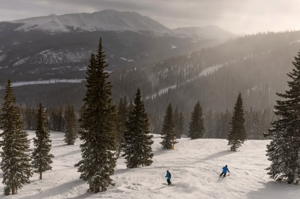
A significant legal case is currently being reviewed by the Colorado Supreme Court, which could reshape the ski resort industry’s approach to liability waivers. This case involves a lawsuit that questions the enforceability of these waivers, a key element in the operations of ski resorts. The outcome may have widespread implications for the industry, already grappling with challenges following a series of accidents and legal disputes.
Ski resorts commonly use liability waivers to protect themselves from lawsuits stemming from injuries sustained by visitors. However, as the legal landscape evolves, the effectiveness of these waivers is being scrutinized. The case before the court stems from an incident involving a skier who sustained injuries while on the slopes, prompting a dispute over whether the waiver signed prior to skiing should absolve the resort of responsibility.
The lawsuit highlights the tension between consumer rights and the operational needs of ski resorts. Many in the industry argue that liability waivers are essential for managing risk and keeping operational costs down. They claim that without these protections, resorts would face increased insurance premiums and potential financial instability. According to industry reports, ski resorts in Colorado generate approximately $4 billion annually, making the stakes in this case particularly high.
The court’s decision may influence not only the future of liability waivers but also the broader skiing experience for consumers. If the court rules in favor of the plaintiff, it could lead to a reevaluation of how resorts communicate risks to patrons. This might result in more stringent safety measures or changes in the way waivers are presented and enforced, which could alter the dynamics of the relationship between skiers and resorts.
Legal experts are closely monitoring the proceedings as the case unfolds. The court’s ruling is expected to be delivered in the coming months, with implications that may extend beyond Colorado. A decision against the enforceability of liability waivers could lead to similar challenges in other states with significant ski tourism.
As the ski season progresses, stakeholders in the industry are anxious to see how this legal battle will unfold. The importance of clearly defined rights and responsibilities is paramount, not only for the resorts but also for the safety and satisfaction of their patrons. The Colorado Supreme Court’s ruling could set a precedent that shapes the future of outdoor recreation and liability in the ski resort sector.