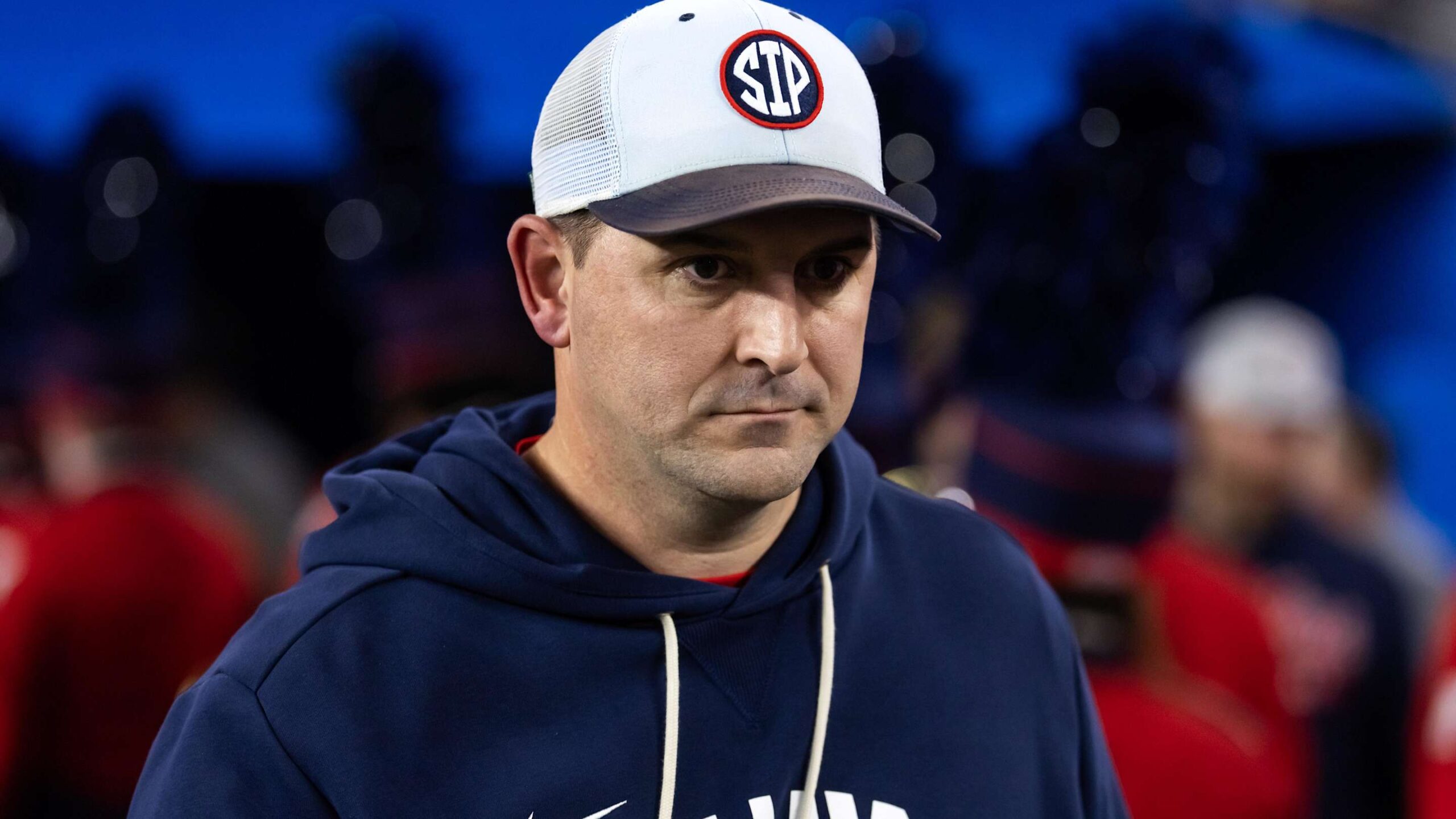
During a recent injunction hearing for Ole Miss football player Trinidad Chambliss, quarterbacks coach Joe Judge made comments that sparked significant discussion regarding the challenges of player parenthood. Judge’s remarks focused on the need for players who have children to manage their responsibilities effectively during the demanding football season.
In his testimony, Judge stated, “This is always a tough conversation to have. It’s not going to be a popular opinion, but this is the truth.” He emphasized that when a player becomes a father during the season, it is crucial for that player to maintain peak performance. Judge elaborated, saying, “You have to explain to the mother, like, ‘Hey, listen, he ain’t waking up for midnight feedings. After the season, he’s full metal jacket.’” His comments drew immediate attention and were perceived as controversial, igniting discussions about the balance between family life and professional sports obligations.
Following the backlash, Judge took to social media platform X to clarify his statements. He explained, “Some of my comments from Thursday have been taken out of context, so I’d like to provide some clarity.” In his follow-up, he noted that his remarks were intended to highlight the importance of sleep for recovery and performance, a topic he became familiar with during his time in the NFL.
Judge further stated, “These are discussions I was a part of at the professional level from veteran players based on their own experience managing similar situations.” He emphasized that the collegiate level often lacks such conversations. As a father of four, Judge expressed his understanding of the complexities involved in balancing family commitments with the demands of competitive sports.
This incident comes at a time when Ole Miss Football is actively recruiting talent, with a focus on maximizing player potential both on and off the field. The Rebels are currently pursuing top prospects, including interest in players from rival teams like the Texas Longhorns. These dynamics highlight the ongoing challenges coaches face in fostering a supportive environment for their athletes.
The implications of Judge’s comments extend beyond just one player’s situation. They raise important questions about how collegiate sports programs support young athletes facing personal challenges, particularly when it comes to family life. The dialogue initiated by Judge could encourage further conversations within the sport, potentially leading to more comprehensive support systems for players.
In conclusion, the recent remarks by Joe Judge have opened a critical dialogue about the intersection of sports and personal life, emphasizing the need for understanding and support for players navigating these dual responsibilities. As collegiate athletics continues to evolve, the ongoing commitment to balancing family and sport remains essential for the well-being and success of players at institutions like Ole Miss.