In the music industry, the creative process can sometimes be overshadowed by commercial pressures, leading artists to rerecord songs that do not align with their original vision. This phenomenon can produce unexpected hits but may also compromise an artist’s integrity. Several notable examples demonstrate how external influences have shaped iconic tracks, forcing artists to navigate the tension between artistic freedom and contractual obligations.
Elton John’s Compromises and Classics
Elton John’s enduring career is marked by his powerful voice and emotional depth. However, not every song resonates with his artistic vision. A notable example is “Don’t Let the Sun Go Down on Me.” Despite John’s initial dislike for the song, which he deemed too saccharine, producer Gus Dudgeon persuaded him to record it. The result was a significant hit, underscoring the complexities of artistic collaboration and the unexpected outcomes that can arise from compromise.
Similarly, Marvin Gaye’s “Here My Dear” emerged from a challenging time in his life. Written during a tumultuous period in his marriage to Anna Gordy, the album reflects deep emotional struggles. Gaye was contractually obligated to fulfill this project, infusing the music with bitterness and vulnerability. This juxtaposition of obligation versus passion makes the song a haunting testament to Gaye’s life experiences.
Rock Icons and Their Rerecorded Tracks
John Lennon’s solo career was characterized by experimentation, but his *Rock ‘n’ Roll* album was born out of necessity. Following a legal dispute with Chuck Berry’s production company regarding his song “Come Together,” Lennon agreed to create an album filled with rock covers as part of a settlement. While the album showcases Lennon’s technical skills, many fans felt it lacked the emotional depth of his earlier works.
In the realm of heavy metal, Metallica’s “The Unforgiven II” highlights a shift toward a more commercial sound during their Load era. Written by James Hetfield as a sequel to their original hit, the song was seen by Hetfield as needing more development. The final product, while decent, failed to capture the intensity and originality of its predecessor.
Meanwhile, George Harrison’s return to music brought an unexpected collaboration. Under pressure from his label to produce one more track for his comeback album, Harrison gathered friends including Jeff Lynne and Tom Petty to record “Handle With Care.” This spontaneous session laid the groundwork for the formation of the supergroup The Traveling Wilburys, illustrating how collaboration can yield remarkable results even in less-than-ideal circumstances.
Pop and Its Rerecorded Hits
Tina Turner’s *Private Dancer* marked a pivotal moment in her career, yet the process was fraught with hesitation. Initially, Turner was resistant to recording pop-infused tracks like “What’s Love Got To Do With It.” Over time, she embraced the project, leading to one of her biggest hits, which solidified her status in the music industry.
The Beatles, often celebrated for their innovative sound, faced similar challenges. Their cover of Mitch Murray’s “How Do You Do It” was recorded under the insistence of producer George Martin during their early EMI days. While the track features strong harmonies, many believe it lacks the character the band would later become known for.
Tom Petty’s “Mary Jane’s Last Dance” was also born from a sense of obligation. As part of a greatest hits compilation for his band, the Heartbreakers, Petty reluctantly recorded this song. It ultimately became one of his most successful tracks, illustrating how even obligatory projects can yield significant results.
Fleetwood Mac’s *Rumours* era was marked by internal strife, leading to the creation of “I Don’t Wanna Know.” This song was included to complete their Greatest Hits album, but it often feels more like an afterthought, lacking the authenticity of their other work.
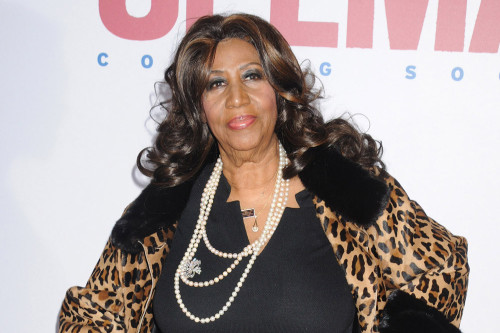
In the world of covers, Soft Cell’s rendition of Gloria Jones’ “Tainted Love” was initially intended as a B-side. The dark, synth-heavy reworking transformed it into a defining hit for the band. Similarly, Aretha Franklin’s version of “Respect” became iconic after Atlantic Records encouraged her to re-record it with an upbeat tempo, showcasing how industry influence can reshape music history.
Finally, Johnny Cash’s haunting cover of Nine Inch Nails’ “Hurt” in 2003 is a poignant example of how rerecording can resonate powerfully with an audience. The song’s dark themes mirrored Cash’s own struggles with health and personal demons, resulting in a profound interpretation that remains impactful.
In summary, the journey of rerecorded songs reveals the intricate balance between artistic vision and commercial demands. While some artists have managed to turn these compromises into iconic hits, others have faced challenges that underscore the complexities of the music industry. These ten examples highlight the ongoing negotiation that artists must navigate, often resulting in mixed outcomes but also unexpected triumphs.