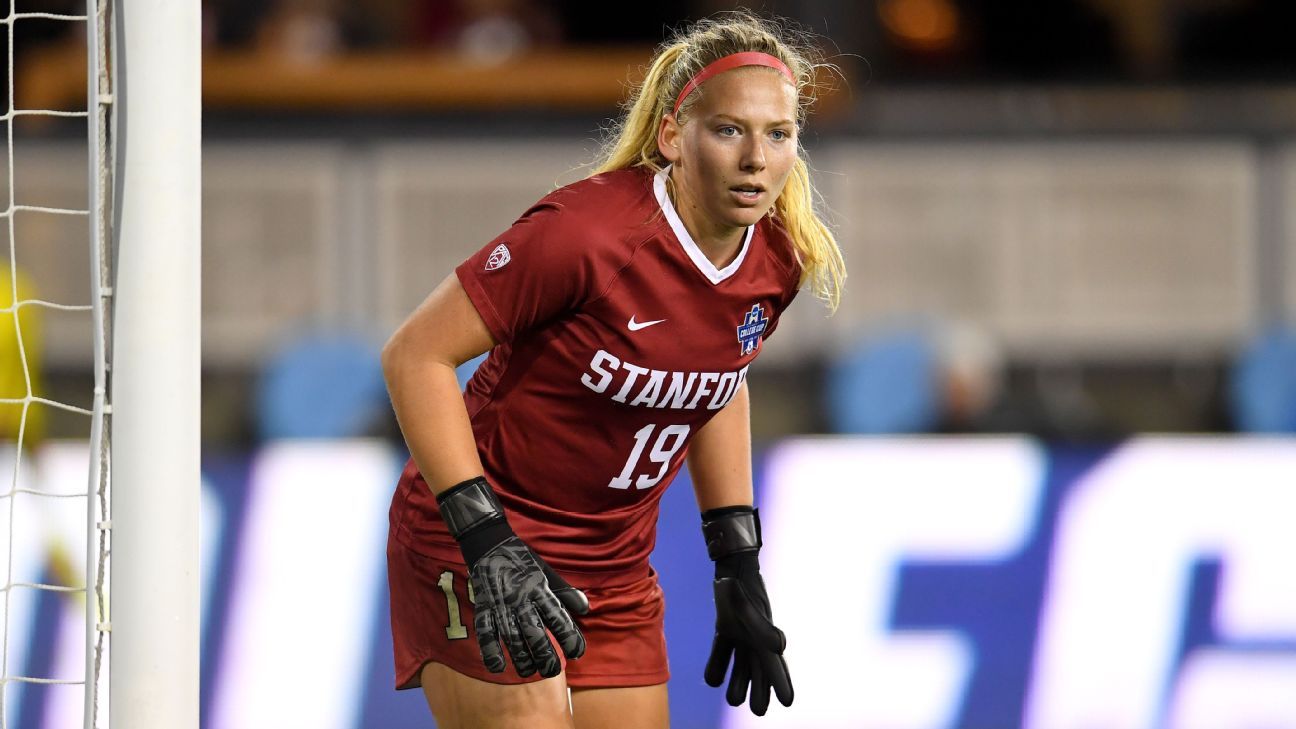
Stanford University and the family of Katie Meyer have reached a settlement regarding a wrongful death lawsuit filed after the former star soccer goalkeeper’s tragic death in 2022. The announcement was made on Monday, revealing a commitment to honor Meyer’s memory and improve support for student-athletes.
Meyer, who was just 21 years old at the time of her passing, faced disciplinary action for allegedly spilling coffee on a Stanford football player linked to a sexual assault case involving a fellow student. Her father contended that Meyer was acting in defense of a teammate who was a minor during the incident.
The lawsuit, initiated in November 2022, accused Stanford of “negligently and recklessly” delivering a formal disciplinary notice on the night of her death. This notice allegedly contained threatening language regarding potential sanctions, including “removal from the university.” Stanford officials disputed the claims, asserting that the university’s actions were not responsible for Meyer’s death.
Commitment to Mental Health and Student Support
In their joint statement, Stanford and the Meyer family announced the creation of the Katie Meyer Leadership Award, which will be awarded annually to an outstanding student-athlete at the university. The statement also revealed that Meyer’s jersey would be retired in recognition of her significant impact on Stanford women’s soccer.
Additionally, the university plans to adopt the principles of Katie Meyer’s Law, which was enacted by the California legislature and signed into law by Governor Gavin Newsom in 2024. This law mandates that all California colleges and universities receiving public funding for financial aid must provide a designated adviser to assist students during disciplinary proceedings.
Furthermore, Stanford and the Meyer family have agreed to collaborate on an initiative aimed at enhancing the mental health and well-being of student-athletes. This initiative seeks to address the pressures faced by student-athletes and ensure they receive adequate support throughout their time at the university.
Media Coverage and Legacy
Meyer’s story gained broader attention through a documentary titled “Save: The Katie Meyer Story,” released by ESPN last year. The film explores the challenges faced by Meyer and the circumstances surrounding her death, further highlighting the need for improved mental health resources for students in high-pressure environments.
The settlement and the initiatives announced signify a collective effort to foster a more supportive atmosphere for student-athletes at Stanford and potentially across other institutions. As the university reflects on the legacy of Katie Meyer, the hope is that these changes will lead to better outcomes for students navigating similar challenges in the future.