UPDATE: New York City officials have just announced a groundbreaking $68 million flood prevention initiative aimed at tackling severe flooding in Brooklyn, including the installation of the borough’s first-ever Bluebelt system. This urgent project, revealed on Wednesday, is set to transform Prospect Park and its surrounding neighborhoods, addressing the pressing threat of climate change-induced flash flooding.
The plan, spearheaded by Mayor Eric Adams, Department of Environmental Protection (DEP) Commissioner Rohit T. Aggarwala, and Parks & Recreation Commissioner Iris Rodriguez-Rosa, will utilize nature-based solutions to enhance the park’s lake and wetlands, effectively managing intense rainfall and stormwater runoff. “We’re harnessing the power of nature-based solutions to strengthen the park’s lake and wetlands, and better manage intense rainfall,” Adams stated.
According to officials, the Bluebelt will consist of natural drainage corridors, including streams, ponds, and wetlands, designed to store and filter stormwater. This innovative approach aims to protect not only Prospect Park but also the adjacent Prospect Park Zoo and nearby neighborhoods from devastating weather events. With an investment of up to $50 million allocated from the DEP and a complementary $20 million lakeshore restoration plan from the Prospect Park Alliance, the project underscores a commitment to climate resilience.
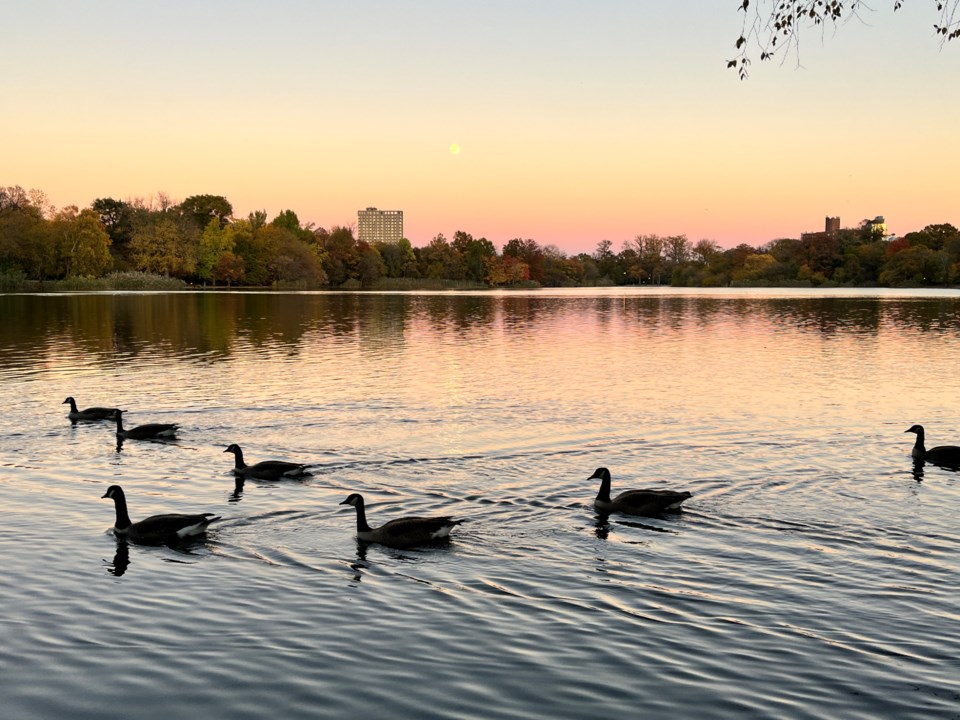
Recent studies conducted by the DEP revealed alarming findings: during heavy rainfall, rainwater often flows overland instead of into Prospect Park’s 60-acre lake, leading to flash flooding. The lake, which has served the community for over 150 years, struggles with limited capacity and often overflows, straining the local sewer system. To combat these issues, several crucial upgrades will be implemented at the lake.
“By using Prospect Park to manage stormwater, we’re turning one of Brooklyn’s most cherished public spaces into a powerful tool for climate resilience,” added Commissioner Aggarwala. This transformative project follows the successful introduction of the Bluebelt system in Staten Island earlier this year.
Once completed, the Bluebelt initiative is expected to significantly alleviate flooding in areas such as Ditmas Park, Kensington, Prospect Park South, and Windsor Terrace. Construction is anticipated to commence in 2029 and conclude by 2032, marking a pivotal shift in how Brooklyn addresses stormwater management.
As this project unfolds, communities are urged to stay informed about developments that could reshape their neighborhoods and enhance their resilience against climate change. The urgency of flooding issues highlights the importance of innovative solutions that protect both people and the environment.