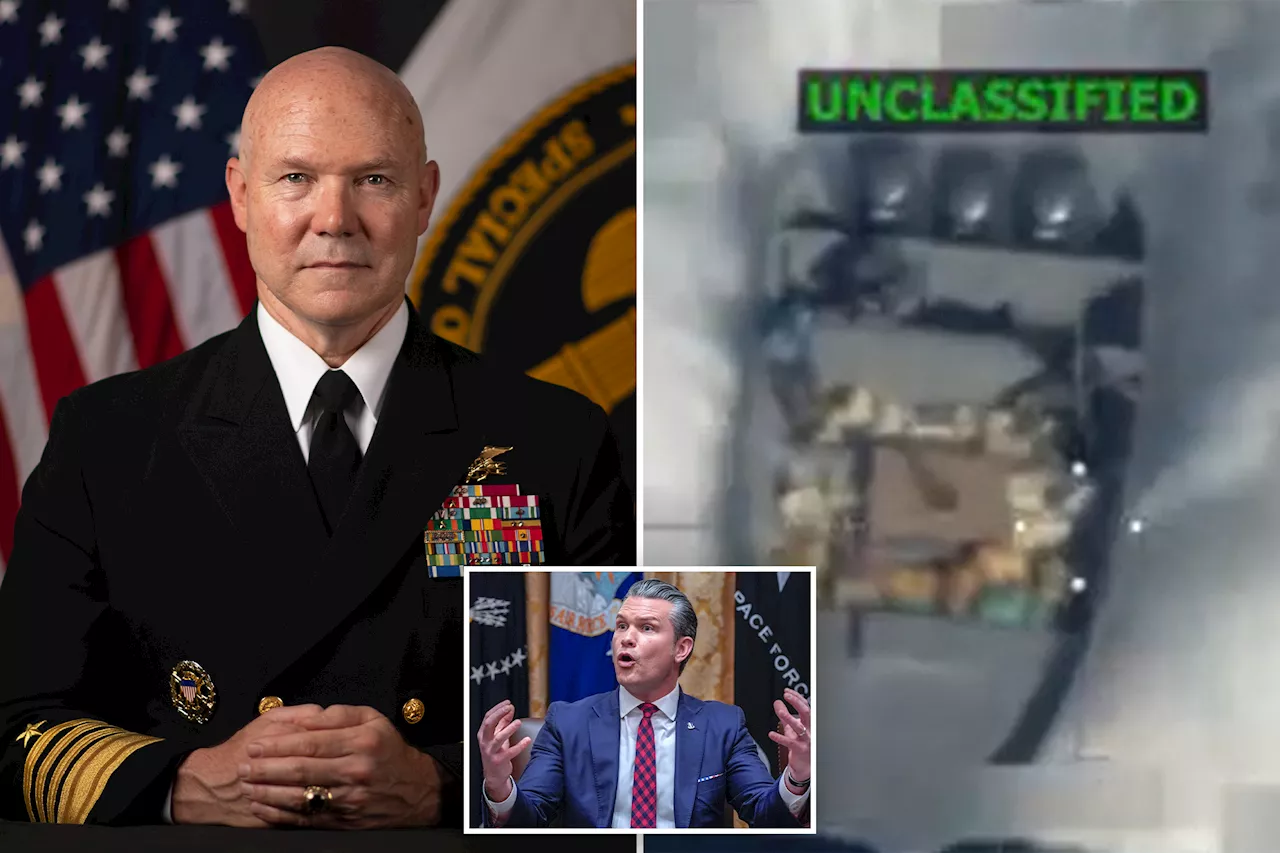
UPDATE: In an urgent briefing scheduled for September 2, Admiral Frank Bradley will face House and Senate lawmakers concerning the controversial strikes in the Caribbean Sea that resulted in the deaths of 11 people. This high-stakes meeting comes amidst ongoing investigations into the operation’s ethics and the treatment of survivors, making it a pivotal moment for military accountability.
The strikes, targeting a suspected drug-running boat, have raised serious questions about the rules of engagement and the decision-making process that led to the loss of life. The fallout from these events has drawn significant media attention, with outlets like the Washington Post and New York Times highlighting the complexities and moral dilemmas faced by military commanders.
Admiral Bradley, who authorized both the initial missile assault and the follow-up strikes, will clarify his actions and rationale during the briefing. Key to the controversy is his decision-making regarding potential survivors, with reports indicating that surveillance video did not initially show any survivors. Bradley had to decide whether to classify them as combatants or “out of the fight.”
The War Secretary Pete Hegseth had directed the operation, insisting on the destruction of the boat and its illicit cargo. This briefing will provide lawmakers an opportunity to scrutinize these actions and discuss potential violations of the laws of war that may have occurred during the operation.
In the wake of these events, President Trump has expressed support for releasing the full surveillance video of the September 2 strike, which could offer critical insights into the incident and either support or challenge the narratives put forth by involved parties. The White House has also hinted at potential future strikes, reinforcing the administration’s commitment to combating drug trafficking in the region.
Since the September strikes, the US military has conducted 21 operations against drug smugglers in the Caribbean and eastern Pacific, resulting in over 80 deaths. Trump emphasized that the fight against drug trafficking is essential, stating, “the smugglers were killing our people… we know where they are.”
The upcoming investigations will delve into various critical areas, including how the rules of engagement were interpreted, the perceived threat from survivors, and communication protocols within the military hierarchy during the operation. Lawmakers are keen to uncover the factors that led to the follow-up strikes and whether appropriate training on engagement rules was provided to personnel.
As the investigations unfold, the focus will remain on ensuring accountability and adherence to international laws of war. The implications of these findings could reshape military protocols and further scrutinize the administration’s drug trafficking strategies. With public interest surging, the outcome of Admiral Bradley’s briefing could have lasting impacts on military operations and ethics.
Stay tuned for developments from this urgent briefing, as it promises to shed light on the future of US military engagements in the Caribbean and the ongoing struggle against drug trafficking.