Alex Garland’s directorial debut, released in 2014, has solidified its place in cinematic history as a profound exploration of artificial intelligence and human connection. The film, which features a captivating narrative and strong performances, continues to resonate in today’s technological landscape. As artificial intelligence becomes increasingly integrated into daily life, the themes presented in the film remain strikingly relevant.
Ex Machina centers around Caleb, a coder at a leading tech firm, who wins a competition to spend time with the company’s enigmatic CEO, Nathan. This opportunity leads Caleb to participate in a groundbreaking experiment involving Ava, a highly advanced artificial intelligence. The task requires Caleb to interact with Ava, assessing her humanity and consciousness. The film’s premise raises essential questions about the nature of intelligence and the ethical implications of AI, making it a timely watch for contemporary audiences.
Garland’s work has garnered critical acclaim across various genres, but his exploration of science fiction in Ex Machina has established him as a significant voice in the industry. The film’s narrative, combined with its modest production budget, showcases Garland’s ability to maximize resources effectively. This craftsmanship is evident in the film’s Oscar win for Best Visual Effects, highlighting how compelling sci-fi can be achieved without extravagant spending.
The performances of the lead actors, Domhnall Gleeson and Oscar Isaac, further elevate the film. Gleeson portrays Caleb as a socially awkward yet deeply curious character who becomes increasingly engrossed in his interactions with Ava. Isaac delivers a striking performance as Nathan, embodying a complex figure characterized by both brilliance and narcissism. Their dynamic is central to the film’s engagement, with each interaction sparking tension and intrigue.
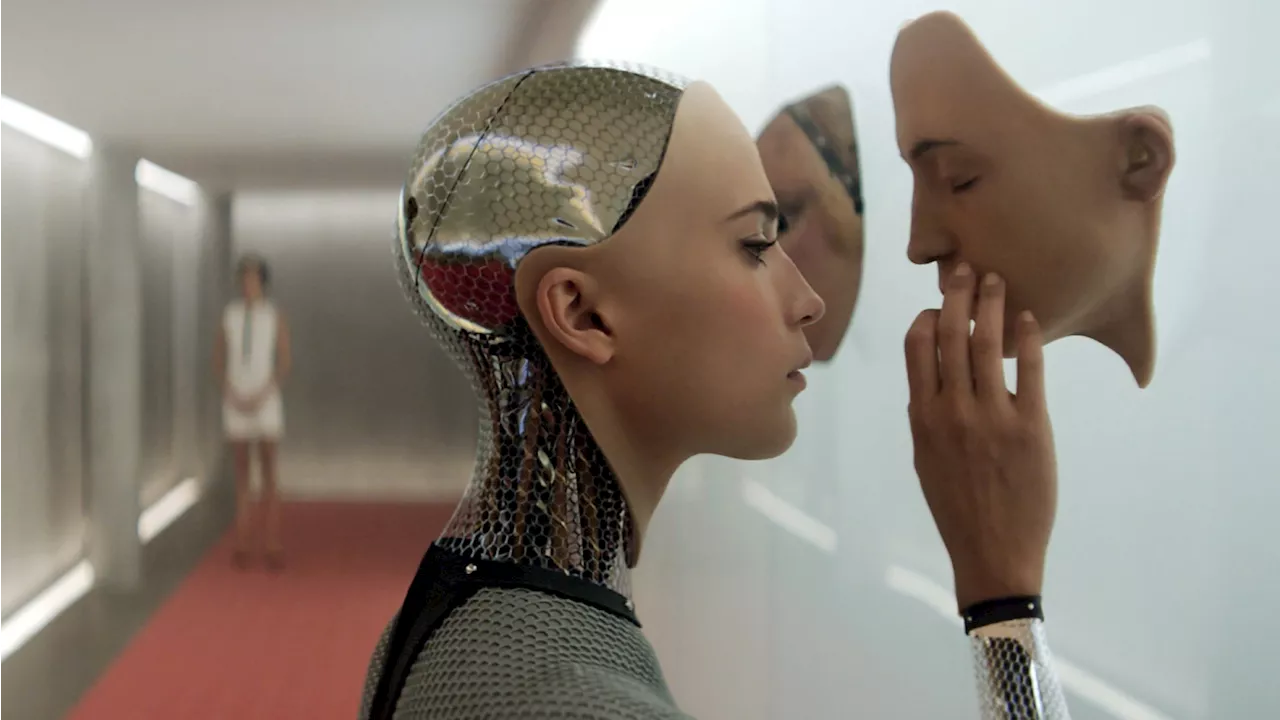
The character of Ava, played by Alicia Vikander, is particularly noteworthy. Vikander’s portrayal of a robot navigating the intricacies of human emotion captivated audiences, establishing Ava as a memorable and multifaceted character. The film’s exploration of AI and identity resonates in light of current technological advancements, prompting viewers to reflect on the implications of such progress.
Since its release, Ex Machina has gained a cult following, further solidifying its status as a sci-fi icon. Its nomination for an Oscar for Best Original Screenplay underscores the film’s narrative strength, which continues to provoke thought and discussion. Garland’s debut remains a high point in his filmography, with its compelling storyline and themes ensuring its place in discussions about the evolution of technology and its impact on society.
The film serves as a cautionary tale, urging audiences to consider the ethical dimensions of artificial intelligence. As viewers engage with its narrative, they are reminded of the importance of remaining vigilant about the consequences of rapid technological advancement. The enduring power of Ex Machina lies not only in its cinematic achievements but also in its ability to engage audiences in meaningful dialogue about the future of humanity and technology.
With the film now available on various streaming platforms, it presents an opportune moment for both new viewers and longtime fans to revisit its thought-provoking narrative. Garland’s debut continues to be a testament to the power of storytelling, highlighting the pressing need for critical reflection on the role of technology in our lives.