UPDATE: Recent polling reveals a stark division among Americans regarding deeper U.S. military involvement in Venezuela, particularly the prospect of capturing President Nicolás Maduro. While initial support from some Republicans for military action exists, overall public sentiment remains largely against intervention, according to a new survey conducted by The Washington Post and SSRS over the weekend.
As tensions escalate, the poll indicates that about 45% of Americans oppose U.S. forces taking control of Venezuela and selecting its new government. Meanwhile, nearly 90% of respondents believe that the Venezuelan people should determine their own leadership. This reflects a broader wariness about the implications of U.S. involvement in foreign governance.
The survey shows that opinions on capturing Maduro are also split: approximately 40% support military action to apprehend him, while an equal number stand opposed, with 20% undecided. Republicans tend to favor action more than Democrats, who largely oppose the idea.
Despite Donald Trump‘s recent vague assertions that the U.S. might “run” Venezuela post-Maduro, clarity on U.S. plans remains elusive. Trump’s administration has come under scrutiny for lacking a comprehensive strategy for Venezuela’s future, raising concerns among lawmakers and political analysts alike.
In December, a Quinnipiac poll indicated that 60% of registered voters opposed military action in Venezuela, with Republican support divided: about half in favor, a third opposed, and 15% undecided. This division highlights a growing skepticism among Americans toward military interventions abroad.
Former officials have expressed doubts about the Trump administration’s preparedness for a potential military occupation or establishing a temporary civilian government, which has been a priority for past administrations when contemplating regime changes. Current U.S. officials, speaking anonymously, noted that planning for post-Maduro governance appears limited to a small circle of Trump’s political allies.
In a related legal development, Maduro pleaded not guilty to federal drug trafficking charges in a New York City court on Monday. He claimed, “I am innocent. I am not guilty. I am a decent man, the constitutional president of my country.” The charges against him include working with drug cartels to transport thousands of tons of cocaine into the U.S., with possible life imprisonment if convicted.
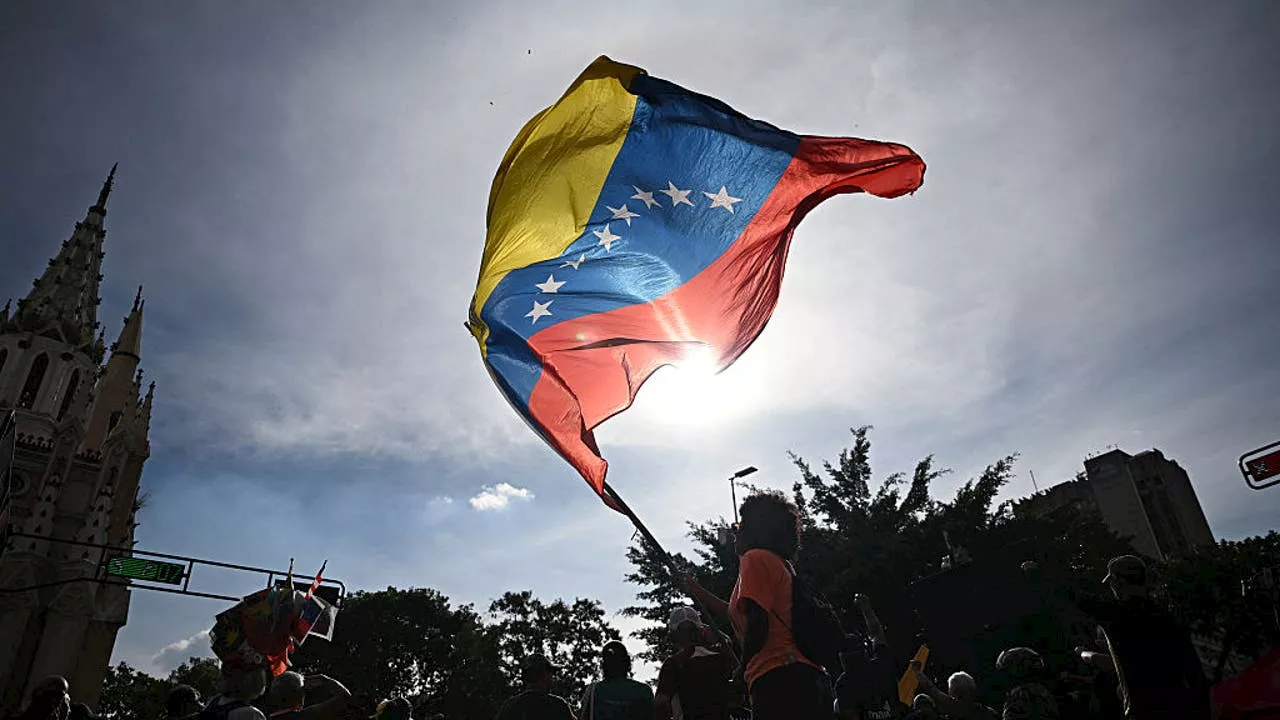
As Maduro protests his arrest, the situation in Venezuela remains precarious. The U.S. military’s involvement has raised questions about international law and the sovereignty of Venezuela. Critics, including Senator Chuck Schumer, have condemned the military’s actions as unlawful and expressed concerns about potential long-term consequences of U.S. intervention.
With public opinion split and concerns mounting about the U.S.’s role in Venezuela’s future, all eyes are on the administration’s next steps. How the U.S. will balance its strategic interests with the wishes of the Venezuelan people remains to be seen, and ongoing developments will be crucial to watch in the coming days.
Stay tuned for updates as this situation unfolds.