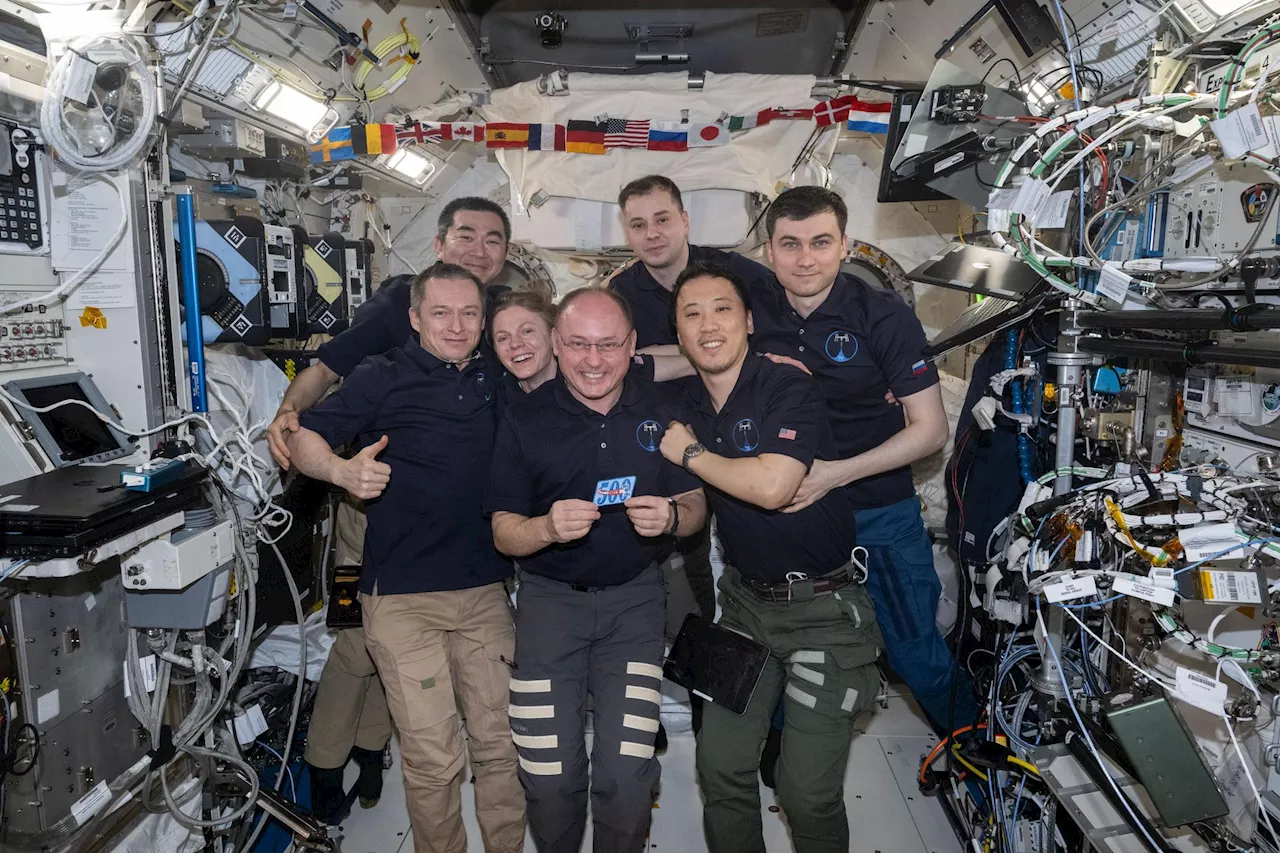
UPDATE: Three astronauts aboard the International Space Station (ISS) are set to return to Earth on December 8, 2025, after a groundbreaking 245-day mission. NASA astronaut Jonny Kim and Roscosmos cosmonauts Sergey Ryzhikov and Alexey Zubritsky will undock from the ISS at 8:41 p.m. EDT, aiming for a landing in Kazakhstan just hours later at 12:04 a.m. EDT on December 9.
In the lead-up to their departure, the crew is focused on vital blood research that has significant implications for astronaut health during long-term stays in space. As they prepare for reentry, the astronauts practiced essential operations inside the Soyuz MS-27 spacecraft, ensuring they are equipped to handle the forces of gravity as they descend back to Earth.
During this critical time, Ryzhikov and Zubritsky tested a unique suit designed to combat fluid shifts caused by microgravity. This innovative technology aims to alleviate pressure in the head and eyes, potentially easing astronauts’ adjustment back to gravity after extended missions.
Meanwhile, NASA Flight Engineers Zena Cardman and Chris Williams conducted crucial cardiovascular assessments using the Ultrasound 2 device. This procedure is part of the long-term CIPHER human research investigation, which tracks astronaut health before, during, and after their time in space.
The excitement is palpable as they prepare to leave the ISS, a hub of cutting-edge research and international collaboration. This mission has not only expanded our understanding of living in weightlessness but also provided insights into how microgravity affects the human body.
NASA will broadcast the crew’s return live on platforms including NASA+, Amazon Prime, and the agency’s YouTube channel, allowing viewers worldwide to witness this significant moment.
As the astronauts approach their landing, the ISS remains a beacon of scientific advancement, with ongoing studies that promise to enhance our understanding of human health in space. The implications of their research could pave the way for future long-duration missions to the Moon and Mars.
Stay tuned for live updates as this story develops, and follow the latest news on the ISS by tracking their official blog and social media channels. This moment marks not just the end of a mission but the beginning of new opportunities for space exploration and human health.