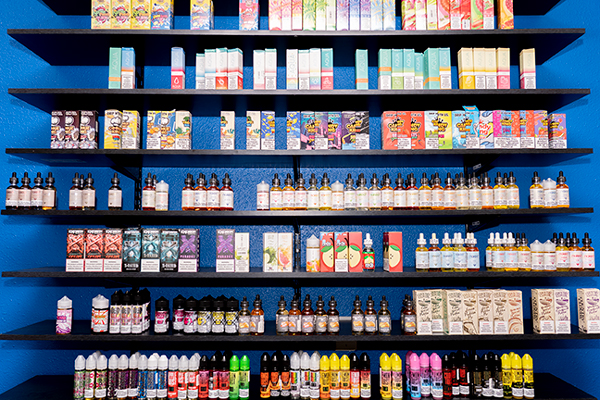
UPDATE: Aurora city lawmakers have just announced a sweeping new law aimed at curbing youth access to vaping and nicotine products. The ordinance, approved unanimously on October 16, 2023, will implement strict licensing and inspection protocols for retailers selling items like vape products and Kratom.
This legislation is crucial in the fight against youth addiction, as local advocates, including students and health professionals, have voiced urgent concerns over rising nicotine use among minors in Aurora. The new rules could take several months to fully enact, but city officials are moving quickly to address this pressing public health issue.
The proposed ordinance will require city-level licensing for retailers selling tobacco, Kratom, and specific hemp-derived products. “The primary purpose is to reduce youth access,” stated Aurora Manager of Licensing Trevor Vaughn. A coalition of local youth, part of the United for Better Futures initiative, has been actively advocating for these changes, testifying at city council meetings for months.
According to Joyce Baker, Program Coordinator for Children’s Hospital Colorado, “If we want to prevent lifelong addiction, we must prevent youth initiation.” This sentiment underscores the urgency of the new law, as Aurora schools have reported alarming trends, including vaping-related violence and significant property damage from students flushing devices down toilets.
Under the new regulations, compliance checks will be conducted twice a year, featuring a penalty structure that is harsher than Colorado’s existing laws. Retailers face escalating fines for repeated violations: the first infraction incurs a minimum fine of $1,000, while a fourth violation within 36 months could lead to the revocation of a retailer’s license.
Moreover, the law introduces spacing restrictions for new vape shops, mandating they be at least 1,500 feet from schools and 2,000 feet from other vape and smoke shops. Existing businesses will be grandfathered in, allowing them to transfer licenses to new owners if they remain compliant.
The city estimates that around 335 vape-shop-like retailers will be affected by these changes, including 272 incidental retailers and 55 smoke shops. A proposed annual licensing fee of $500 is expected to generate approximately $170,000, funding a full-time supervisory position to oversee compliance efforts.
As Aurora prepares for enforcement, the city council postponed a related measure detailing the implementation of inspection reporting, signaling that further discussions are forthcoming.
Aurora’s decisive action reflects a growing trend among cities to take a stand against youth vaping, aiming to protect future generations from the dangers of nicotine addiction. The community’s engagement through testimony and advocacy has played a critical role in bringing this issue to the forefront.
Stay tuned for more developments as Aurora rolls out this significant new law.