UPDATE: Big Tech is making a bold move to secure immunity from state-level artificial intelligence (AI) regulations in a critical showdown over the National Defense Authorization Act (NDAA). This urgent development comes as the tech industry scrambles to shield itself from oversight while allegations of corruption loom over government dealings.
In a significant maneuver, tech lobbyists are pushing for a ten-year moratorium on state-based AI regulations, a proposal that was initially introduced in the Big Beautiful Bill but failed spectacularly with a 99-1 vote in the Senate. Now, the NDAA has become the new battleground for this contentious issue, with bipartisan resistance from Senate Democrats who argue that a regulatory free-for-all could lead to dire consequences for consumers and workers.
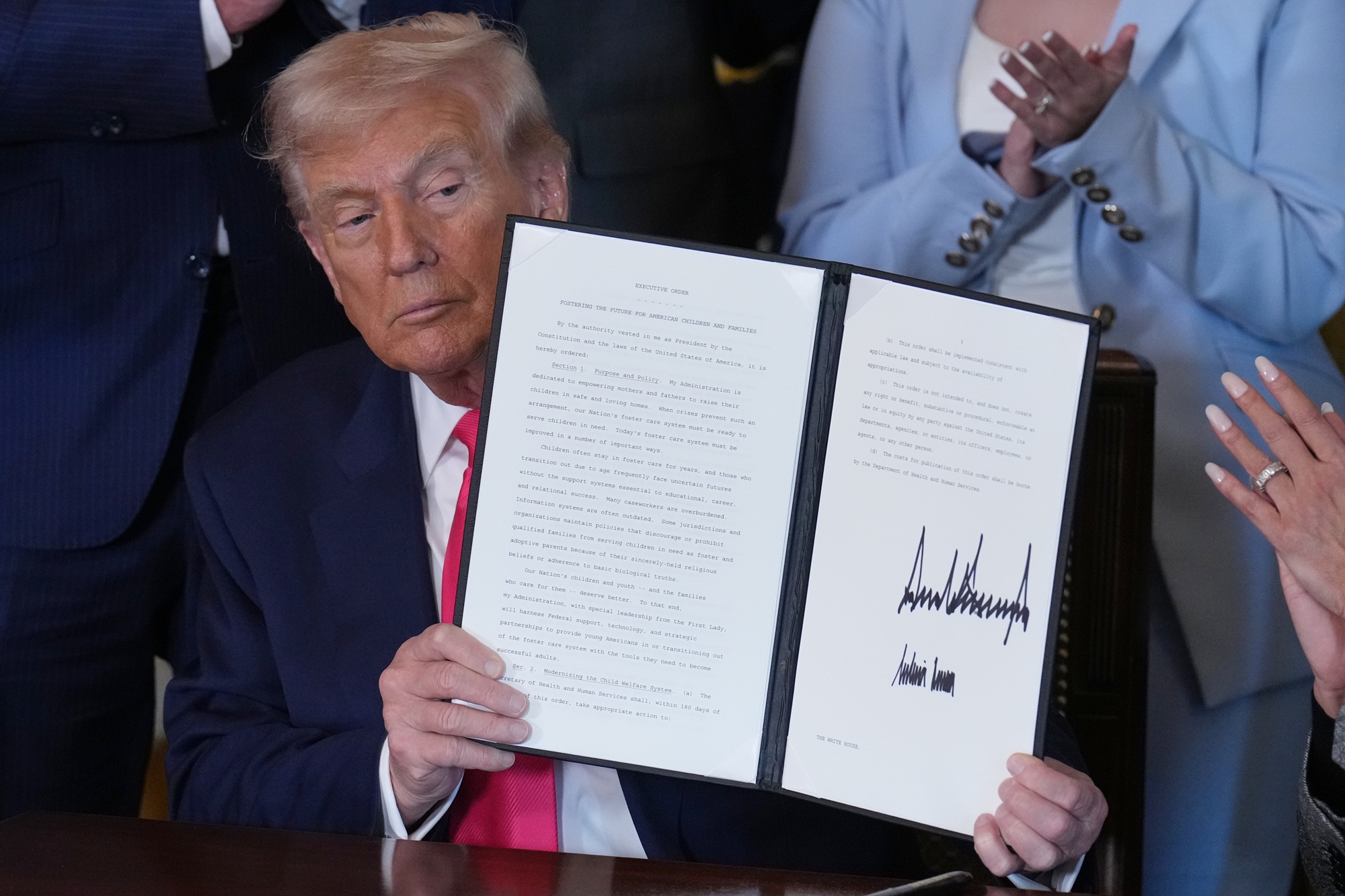
Donald Trump has added fuel to the fire by proposing a draft executive order aimed at limiting state power over AI. Leaked last night, the order seeks to use federal authority to prevent states from imposing regulations that might hinder the tech sector. This move is seen as an attempt to capitalize on the growing influence of tech companies while circumventing Congress and state legislatures.
The draft executive order outlines several aggressive strategies, including the establishment of an “AI Litigation Task Force” within the Department of Justice. This task force will focus on suing states that attempt to regulate AI, invoking the dormant commerce clause—a legal doctrine suggesting states cannot regulate commerce that impacts other states.
Under the proposed plan, the Federal Communications Commission (FCC) would be directed to adopt standards for AI models that would preempt state regulations, while the Federal Trade Commission (FTC) would issue guidelines declaring that state requirements forcing AI firms to alter their models amount to unfair practices.
This sweeping initiative has raised alarms among state lawmakers. For instance, New York’s recently passed RAISE Act mandates safety testing for AI models used by companies spending over $100 million. Governor Kathy Hochul is facing immense pressure from tech lobbyists to veto the bill, which could lead to significant litigation if the executive order is enacted.
The implications of this power grab are profound. Critics argue that the proposed measures would effectively neutralize any state-level efforts to regulate AI, allowing corporations to operate with fewer constraints. This could lead to increased risks for consumers and workers, as companies may prioritize profits over safety and ethical considerations.
Moreover, the urgency of this situation is underscored by the financial strategies of AI firms. Much like the crypto industry, they are amassing vast resources to sway political decisions in their favor. With an estimated $100 million at their disposal, these companies are buying influence in Washington to ensure their operations remain unregulated.
As the NDAA progresses through Congress, the fight over AI regulation is heating up. The stakes are high, and the outcome could set a dangerous precedent for how emerging technologies are governed in the U.S. The future of AI oversight hangs in the balance, and now is the time for citizens to pay attention and advocate for responsible regulation.
What’s Next: As this situation develops, all eyes will be on the Senate as it debates the NDAA. The outcome could shape the landscape of AI regulation for years to come. Stakeholders, lawmakers, and the public must stay informed and engaged as this critical issue unfolds.
This is a developing story, and further updates will be provided as new information emerges.