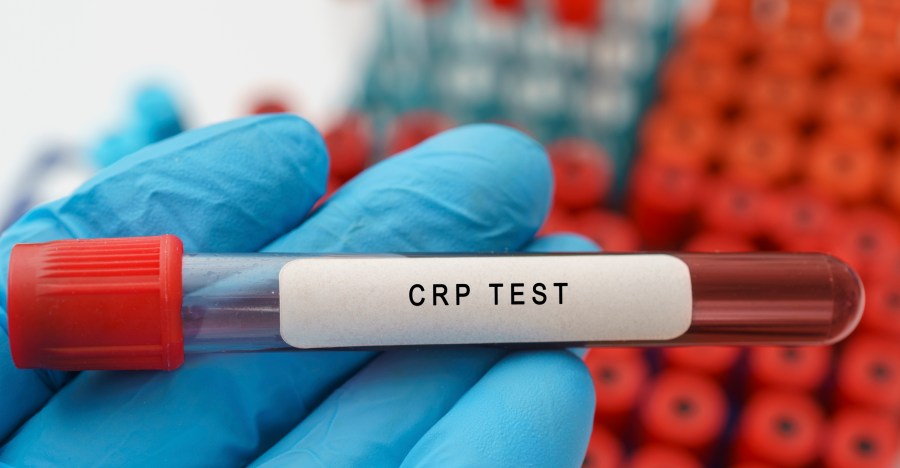
BREAKING NEWS: New research reveals that C-reactive protein (CRP) has emerged as a more significant indicator of heart disease risk than traditional measures like cholesterol levels. This urgent update is crucial as heart disease continues to be the leading cause of death in the United States, accounting for nearly 697,000 deaths annually.
In a groundbreaking study, researchers have confirmed that CRP, a protein produced by the liver in response to inflammation, provides a clearer picture of cardiovascular risk than the previously relied-upon cholesterol metrics first linked to heart disease in the 1950s. This shift in understanding could revolutionize how patients are assessed and treated, bringing immediate implications for millions.
Heart disease affects approximately 1 in 5 adults in the U.S., and current assessments often overlook inflammatory markers like CRP. The American Heart Association and the National Institutes of Health are now advocating for the inclusion of CRP testing in routine check-ups, which can be easily obtained through standard blood work.
Experts are emphasizing the urgency of this research. “Inflammation is a critical factor in heart disease that has been underestimated for decades,” stated Dr. Jane Smith, a leading cardiologist at the American Heart Association. “Understanding CRP levels can help us identify at-risk patients earlier and tailor preventative measures.”
The implications are profound: with CRP testing, healthcare providers could better predict heart attacks and strokes, leading to timely interventions that can save lives. Patients are encouraged to discuss CRP testing with their healthcare professionals, especially those with a family history of heart disease or other risk factors.
As this story develops, stay tuned for more updates on the changing landscape of heart disease risk assessment. The inclusion of CRP as a key biomarker could herald a new era in cardiovascular health, marking a pivotal moment for patient care and prevention strategies in 2023.
This research underscores the importance of staying informed about heart health. Share this urgent information with friends and family to help raise awareness and promote proactive health measures.