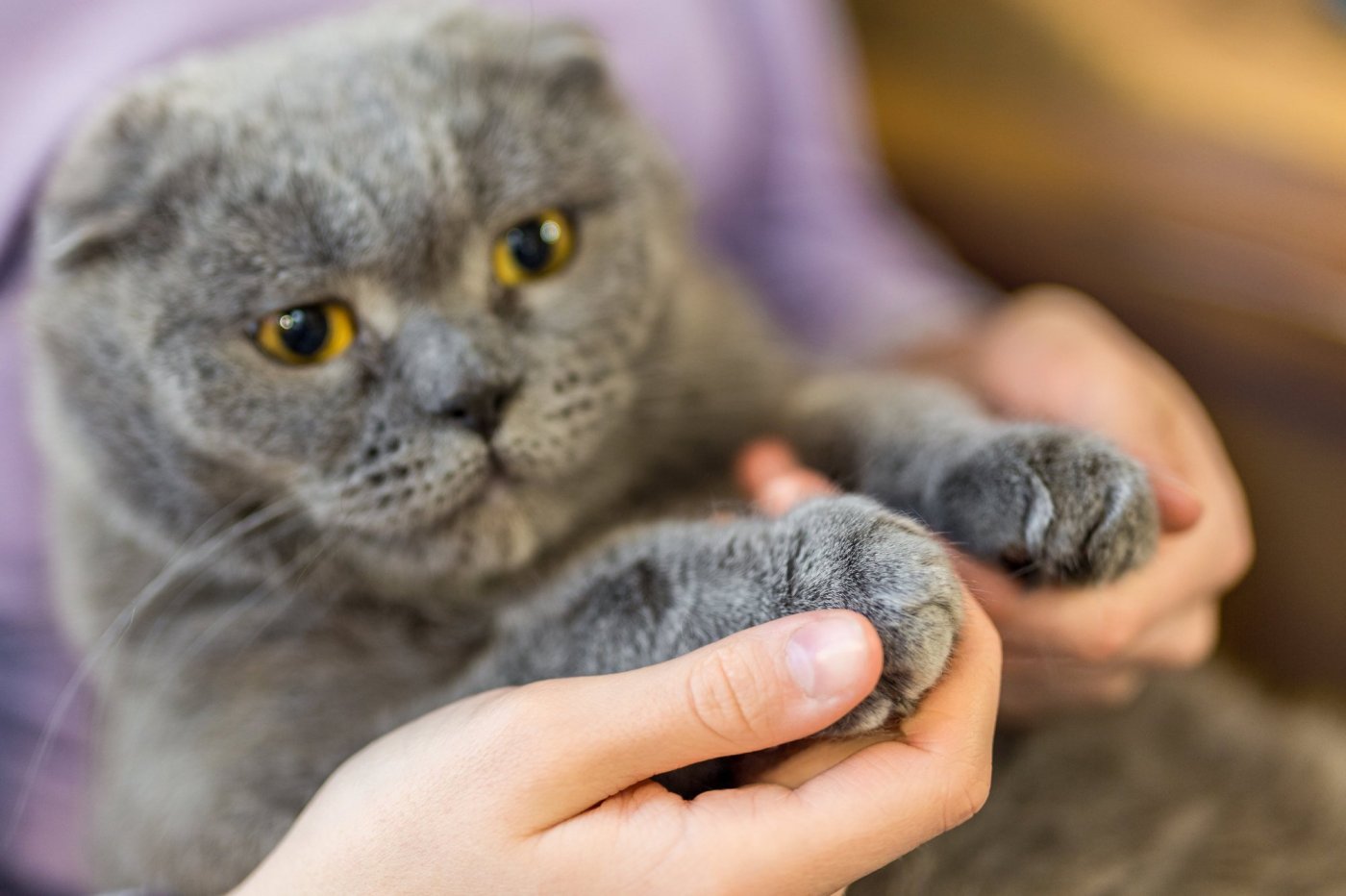
UPDATE: California has officially banned the controversial practice of cat declawing, a law that goes into effect today, October 5, 2023. Signed by Governor Gavin Newsom, Assembly Bill 867 prohibits declawing unless it is deemed medically necessary, marking a significant shift in animal welfare legislation.
This urgent law has sparked immediate reactions from veterinary hospitals and animal welfare advocates across the state. Many, like Joseph Hayden, president of the Humane Society of the North Bay, are celebrating this progressive step. “Abolishing declawing procedures is the only thing a responsible pet parent would want for our beloved felines,” Hayden stated, emphasizing the severe nature of declawing, which he describes as “amputation” rather than a simple nail trimming.
Declawing involves the surgical removal of a portion of the bone on each toe under anesthesia, a procedure that can severely impact a cat’s ability to climb and defend itself. Tammy Farnsworth, practice manager at Redwood Veterinary Hospital, confirmed the hospital’s long-standing opposition to the procedure. “We do not perform the procedure and have not done so for many years,” she said.
The new law is part of a broader movement against declawing, which has already been banned in states like New York and Maryland, with Massachusetts and Virginia following suit. California’s decision follows years of advocacy from animal rights groups and veterinarians concerned about the welfare of cats.
Assemblyman Alex Lee, who authored the bill and owns two cats himself, expressed pride in the law’s passage. “I’m proud to see California create a more compassionate society for our feline friends by moving away from this inhumane practice,” he said.
As cat owners adjust to this significant change, experts like Farnsworth are offering alternatives to declawing. She recommends products like Soft Claws, which can protect furniture while allowing cats to engage in their natural scratching behavior. Additionally, regular nail trimming and behavior modification techniques can help minimize damage to prized furniture.
Pet owners may need to rethink their approach, as the law presents both challenges and solutions. With declawing now off the table, the focus shifts to responsible pet ownership and understanding feline behavior.
The implementation of this law is a pivotal moment in animal welfare, with advocates urging owners to educate themselves about the impacts of declawing. As California leads the way, other states may soon follow, indicating a growing national trend towards protecting animal rights.
Stay tuned for further updates as this developing story unfolds, and join the conversation about the impact of such legislation on pet ownership and animal welfare across the country.