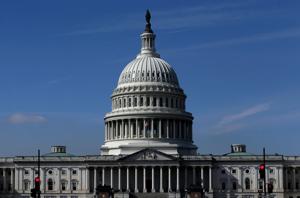
URGENT UPDATE: Key members of Congress are demanding an immediate vote on a war powers resolution following President Donald Trump’s controversial military strike on Iran without congressional approval. This escalation, which some lawmakers deem potentially illegal, threatens to entangle the United States in a deeper conflict in the Middle East.
In a significant turn of events, both the House and Senate are preparing for a rare debate next week. Lawmakers are set to challenge Trump’s unilateral decision to initiate military action, which occurred on Saturday. The resolutions, drafted prior to the strikes, are now poised to serve as a referendum on the administration’s authority to act without formal authorization.
Congressional leaders argue that Trump’s actions could violate the War Powers Act, raising alarms about a potential escalation of military involvement. “This is not just a matter of politics; it’s about the lives of our servicemen and women and the safety of our nation,” stated a senior senator who wished to remain anonymous.
The push for a vote indicates a growing bipartisan concern over the administration’s military strategy. With the president’s Republican Party holding a slim majority, the outcome remains uncertain but critical. Lawmakers are expected to scrutinize the implications of acting without congressional consent, particularly in a region already fraught with tensions.
As the debate heats up, the urgency is palpable. Lawmakers are calling for transparency and accountability, emphasizing that decisions regarding military engagement should not be made in isolation. “We owe it to the American people to debate this openly,” said a prominent member of the House Armed Services Committee.
The implications of this resolution are far-reaching. Should Congress pass it, it would limit the administration’s ability to conduct military operations in Iran without approval, fundamentally altering the current approach to U.S. military engagements abroad.
As developments unfold, the nation watches closely. The upcoming vote could redefine the balance of power between Congress and the presidency regarding military action, a critical issue in contemporary governance.
Next week’s debate is not just a procedural formality; it’s a pivotal moment for American democracy that could shape U.S. foreign policy for years to come. Stay tuned for updates as this situation develops.