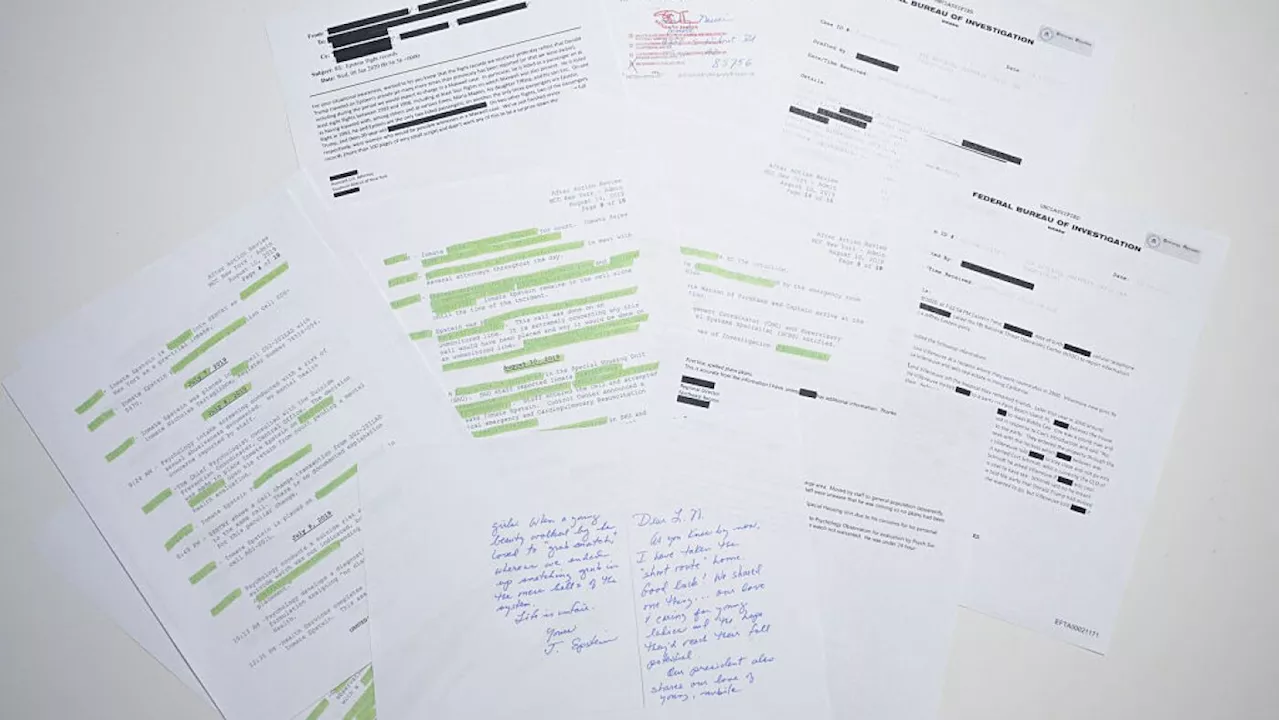
UPDATE: The release of key files related to Jeffrey Epstein has ignited intense scrutiny and controversy, just as President Trump faces criticism for his shifting messaging on the matter. As of January 5, 2026, a staggering 40,000 pages of documents have been released, yet many remain unanswered, fueling public outcry for transparency.
The latest disclosures come amid escalating demands from Congress and ongoing frustrations with the U.S. Department of Justice (DOJ) over the piecemeal release of information. Lawmakers are pressing for compliance with the Epstein Files Transparency Act, which mandates the disclosure of all unclassified records by December 19, 2025. Critics argue that the released documents are heavily redacted and disorganized, complicating the search for truth.
In a significant political backdrop, Trump’s 2024 campaign had promised full transparency regarding Epstein’s dealings, claiming that powerful figures are concealing the truth from the public. However, as new documents emerge, many perceive Trump as part of the elite shielding vital information.
The released files include unverified tips and older complaints dating back over a decade, raising concerns about the credibility of the information being shared. While it’s estimated that over 1 million files remain unreleased, the DOJ has yet to clarify the timeline for further disclosures.
Quote from DOJ: “Required redactions to protect victims take time but they will not stop these materials from being released. The Attorney General’s and this Administration’s goal is simple: transparency and protecting victims,” stated a DOJ spokesperson.
The political ramifications are substantial as a bipartisan coalition of lawmakers threatens potential action against the DOJ for non-compliance. Still, the new law lacks enforcement mechanisms, leaving many wondering how effective these demands will be.
Survivors of Epstein’s abuse, including Danielle Bensky, have expressed deep frustration over the lack of comprehensive information. Lawmakers, including Rep. Ro Khanna, contend that vital survivor testimony and prosecution memos remain undisclosed. Khanna highlighted that survivors have named additional perpetrators during their interactions with the FBI, yet these records are still withheld.
In the political arena, Trump’s allies are amplifying conspiracy theories surrounding Epstein and the DOJ’s handling of the files. Trump himself has downplayed the significance of the files, asserting that Democrats are the ones tied to Epstein, not Republicans, in a bid to shift focus from his administration’s accountability.
As the fallout continues to unfold, the upcoming 2026 midterm elections loom large, and the public’s demand for clarity on Epstein’s connections remains urgent. The next steps from Congress and the DOJ will be pivotal in determining the future of these investigations.
The release of Epstein’s files is expected to persist, further complicating the narrative as new information emerges. As this story develops, it raises critical questions about transparency, accountability, and the ongoing impact on survivors.
For those with additional information about the Epstein files, contact the author, Stephen Fowler, via encrypted communications on Signal at stphnfwlr.25. Stay tuned for more updates on this evolving story.