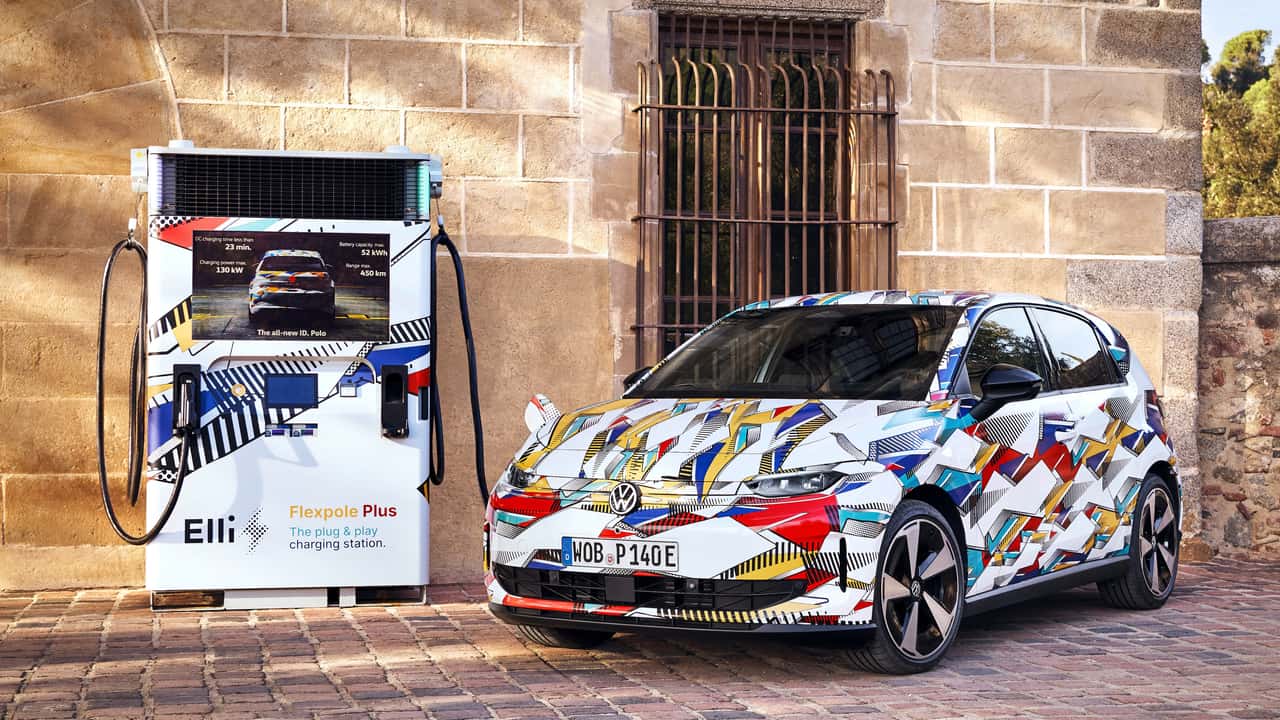
UPDATE: The European Union has just announced a groundbreaking initiative that could reshape the automotive industry: a new category for small electric vehicles, designated as “M1E.” This urgent move emphasizes the EU’s commitment to electric mobility, even as it relaxes some emissions targets for combustion engines post-2035.
Effective immediately, vehicles qualifying for the M1E class must measure no longer than 4.2 meters (165.3 inches) and be fully electric, assembled within one of the EU’s 27 member states. This new regulation not only aims to simplify compliance for automakers but also encourages them to invest in smaller EVs through “super credits.” Each M1E-certified vehicle will count as 1.3 units towards CO2 compliance, providing a substantial 30 percent advantage in meeting emissions targets.
The EU plans to maintain these requirements for a solid 10 years, delivering much-needed stability for manufacturers as they adapt to this innovative framework. This initiative is expected to spur the development of affordable small electric vehicles, which are crucial for widespread EV adoption. Owners of M1E vehicles could benefit from incentives such as road toll exemptions and preferential access to charging stations.
While reactions to the EU’s decision to ease the 2035 ban on new combustion-engine cars remain mixed, the M1E category is broadly welcomed across the industry. As one official stated, “If EVs are the future, we must focus on small, practical models rather than oversized vehicles.” This shift not only fosters local job creation by mandating EU assembly but also protects against competition from larger markets like China.
Several vehicles currently meet the M1E criteria, including the Renault Twingo, Volkswagen Group’s ID. Polo, and Stellantis’s Citroën e-C3. However, models like the Hyundai Inster and Mini Cooper are disqualified due to their production locations outside the EU.
Furthermore, the M1E initiative indirectly supports the continued sale of combustion-engine vehicles. By enabling automakers to earn super credits, companies can offset CO2 emissions from their internal combustion engines, allowing these vehicles to remain on the market longer than previously anticipated.
To meet stringent emissions goals, automakers are still tasked with reducing CO2 emissions by 90 percent by 2035, compared to the 2021 baseline. The final 10 percent will need to be offset through the use of e-fuels, biofuels, or cars constructed from low-carbon materials manufactured within the EU.
The EU is also easing compliance further by allowing manufacturers to “bank and borrow” emissions credits over a three-year span, a system already in place for 2025-2027 and now extended through 2029. This flexibility is critical as even stricter targets are set to kick in from 2030 to 2032.
Latest data from the European Automobile Manufacturers’ Association (ACEA) reveals that 16.4 percent of new cars sold in the EU during the first ten months of this year were fully electric. Including the UK and other nations, that share rises to 18.3 percent, signaling steady progress in EV adoption.
As these new regulations unfold, the automotive landscape in Europe is poised for significant transformation. The EU’s proactive measures highlight a critical shift toward sustainable transportation and underscore the urgency for automakers to innovate rapidly in the small electric vehicle market.
Stay tuned for further updates as this story develops.