Federal agencies have deployed investigators to Minneapolis to examine allegations of fraud involving daycare centers reportedly run by members of the Somali community. The investigation follows a viral video featuring independent journalist Nick Shirley, who claimed that these centers received government funding without properly caring for children.
FBI Director Kash Patel confirmed that agents were sent to Minnesota to address these alleged large-scale fraud schemes prior to the release of Shirley’s video late last week. Patel highlighted the FBI’s recent success in dismantling a $250 million fraud operation that misappropriated federal food assistance intended for vulnerable children during the pandemic. This case resulted in 78 indictments and 57 convictions.
“The FBI believes this is just the tip of a very large iceberg,” Patel stated via X. “We will continue to follow the money and protect children, and this investigation very much remains ongoing.”
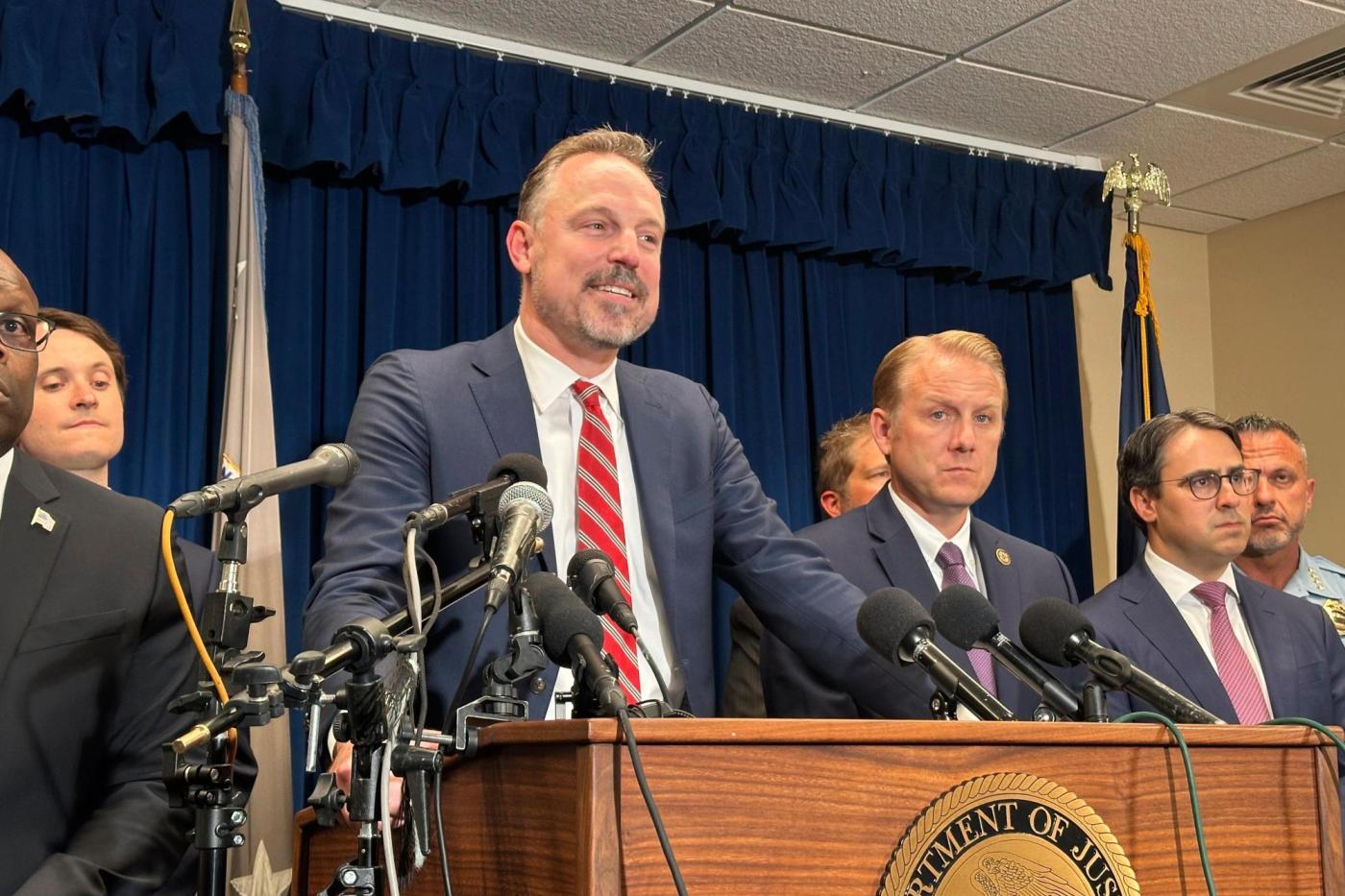
The Department of Homeland Security is also involved, with agents expected to visit the suspected fraud sites across Minnesota. During a recent announcement regarding new charges related to ongoing fraud schemes, First Assistant U.S. Attorney Joe Thompson revealed that the state has flagged 14 high-risk Medicaid programs. Payments for these programs have been suspended pending a third-party audit. Thompson disclosed that these programs have cost the government approximately $18 billion since 2018, with suspicions that over half of this amount may be fraudulent.
“The fraud is not small. It isn’t isolated. The magnitude cannot be overstated,” Thompson remarked during a news conference. He emphasized that the scale of fraud in Minnesota is not merely the result of a few bad actors but represents a significant industrial-scale operation.
Among the recent defendants is Abdinajib Hassan Yussuf, 27, who allegedly obtained $6 million in Medicaid funds through fraudulent claims related to a program designed to provide one-on-one therapy for children with autism. Yussuf is accused of paying kickbacks to parents in the Somali community to have their children diagnosed with autism spectrum disorder and enroll in his program.
Additionally, two individuals involved in a Housing Stabilization Services fraud scheme reportedly traveled from Philadelphia to Minnesota to obtain $3.5 million in fraudulent Medicaid payments, drawn by the prospect of “easy money,” according to Thompson.
In response to Shirley’s viral video, KARE TV in Minnesota reported that the state commissioner responsible for childcare centers, Tikki Brown, dispatched inspectors to verify the conditions of the facilities in question. Brown stated that several centers were already under investigation, although none of these investigations had uncovered evidence of fraud. She noted that inspectors had visited each daycare depicted in Shirley’s video within the past six months and confirmed that children were present.
While some experts urge caution regarding Shirley’s claims, there is widespread recognition of the fraud problem in Minnesota. Chris Edwards, a federal budget expert at the Cato Institute, acknowledged that the state faces significant challenges. “It’s huge,” he said, referring to the amount of fraudulent activity.
Edwards asserted that federal aid programs managed by states are particularly susceptible to fraud due to a lack of strong incentives for state administrators to manage taxpayer money prudently. He pointed out that the automated claims process and the sheer scale of federal programs contribute to the risk of fraud.
“There are too many government programs, and the fact that the feds are providing so much of the funding is just a recipe for this sort of trouble,” Edwards explained. He advocated for states to take on funding responsibilities for welfare programs, arguing that this would encourage better oversight of financial resources.
As investigations continue, Thompson suggested that the federal government should apply the lessons learned from the Minnesota fraud case to identify similar patterns of abuse across the country.
For further information or to report tips, contact Cory Smith at [email protected] or via X at x.com/Cory_L_Smith.